
Last updated November 22, 2026
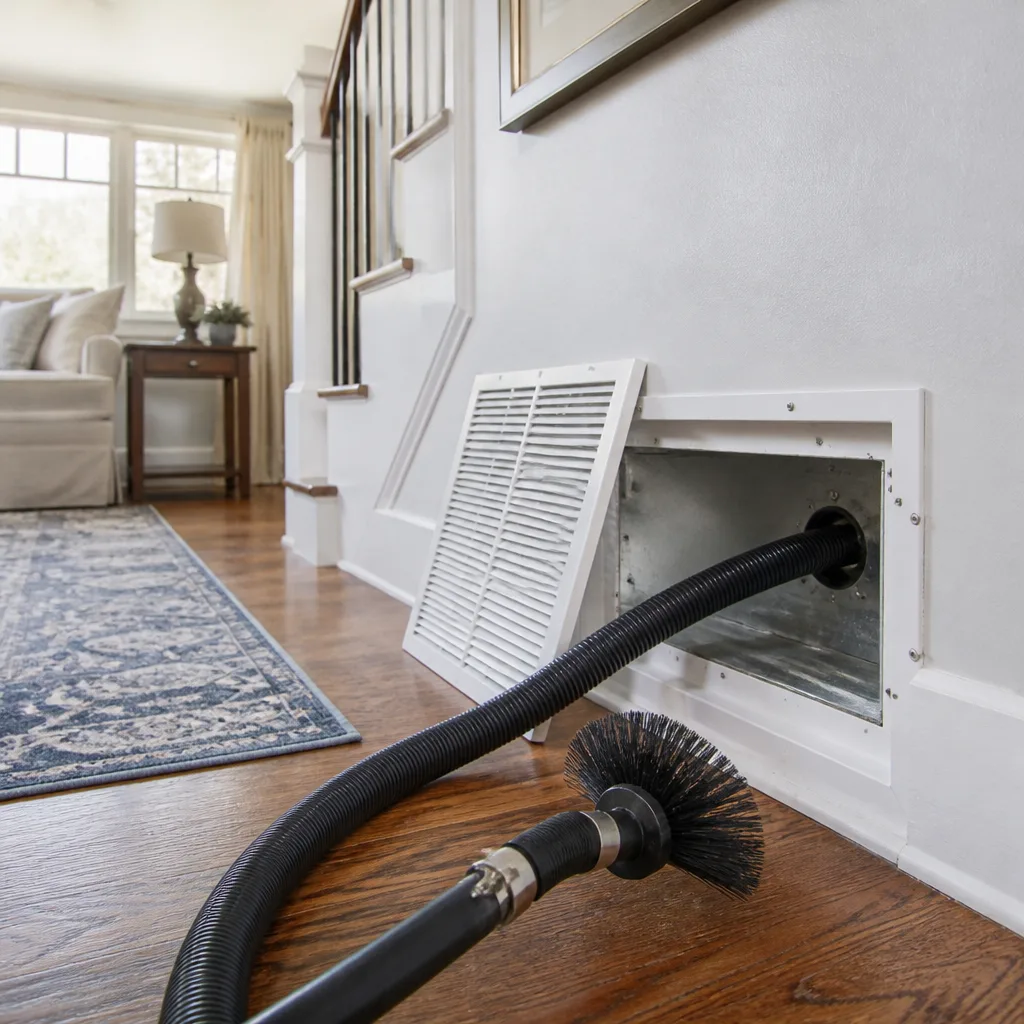 Whole-home duct cleaning
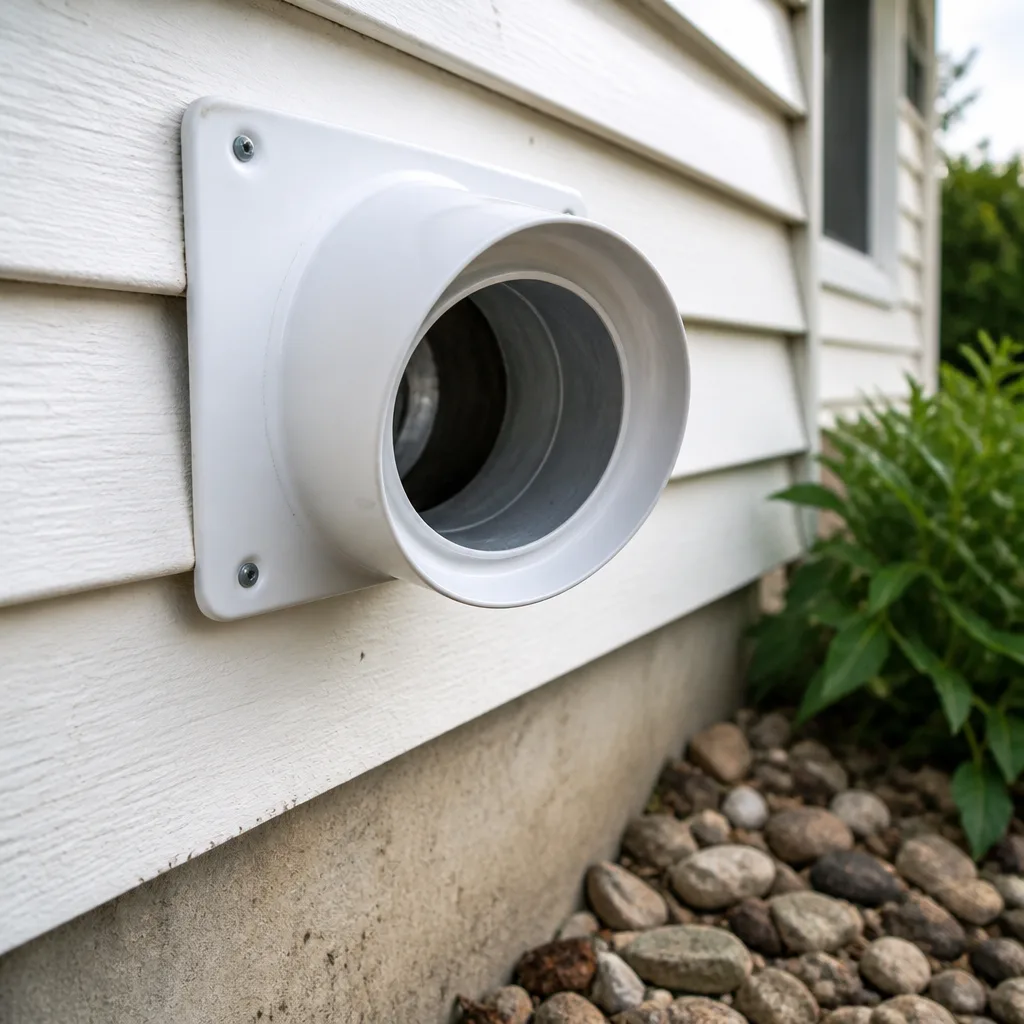 Dryer vent cleaning
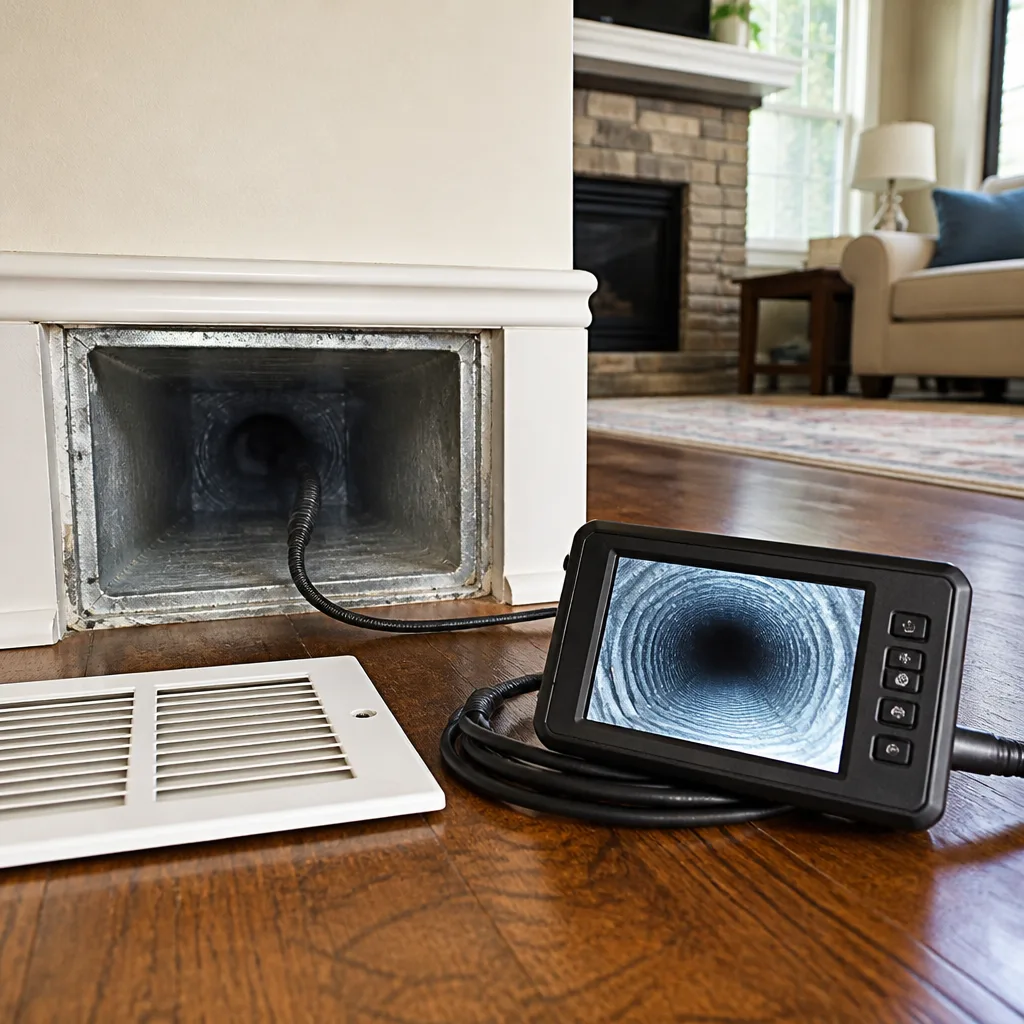 Camera inspection
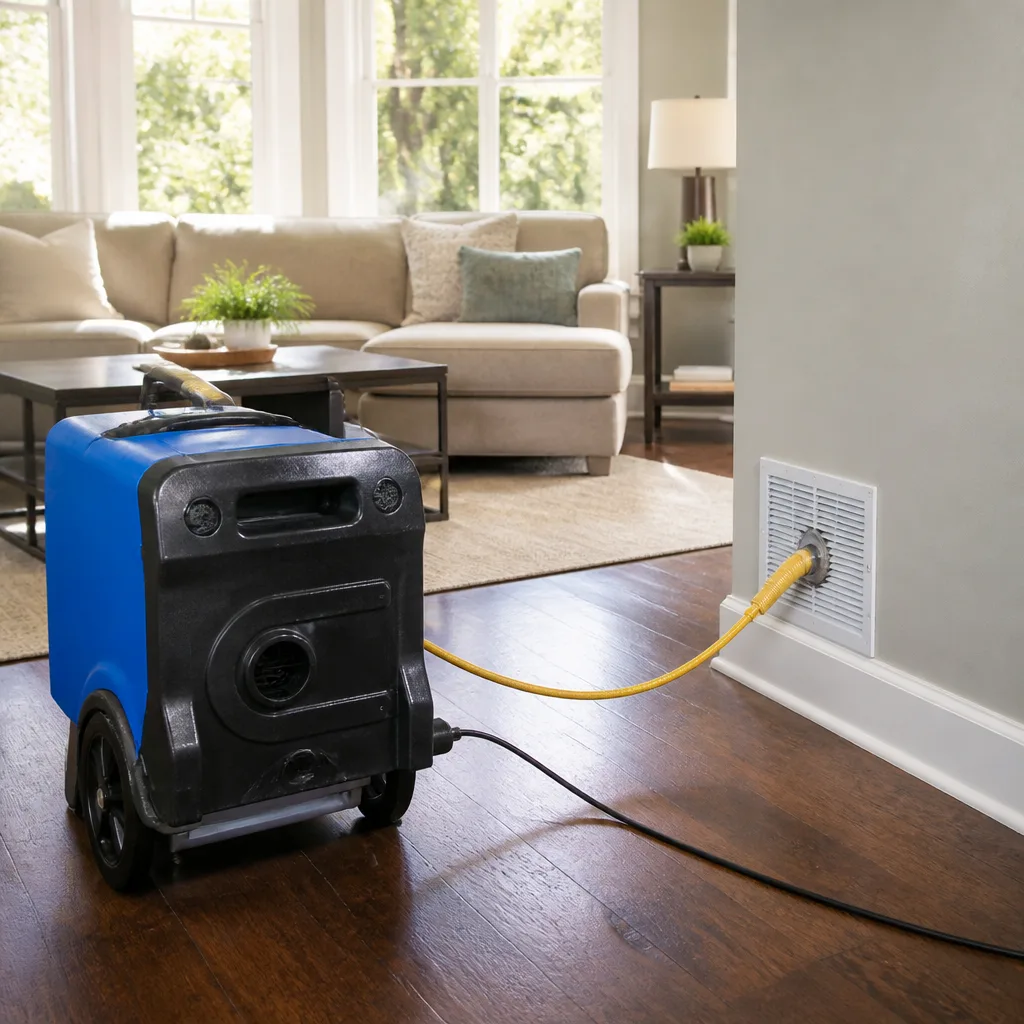 Sanitizing & deodorizing
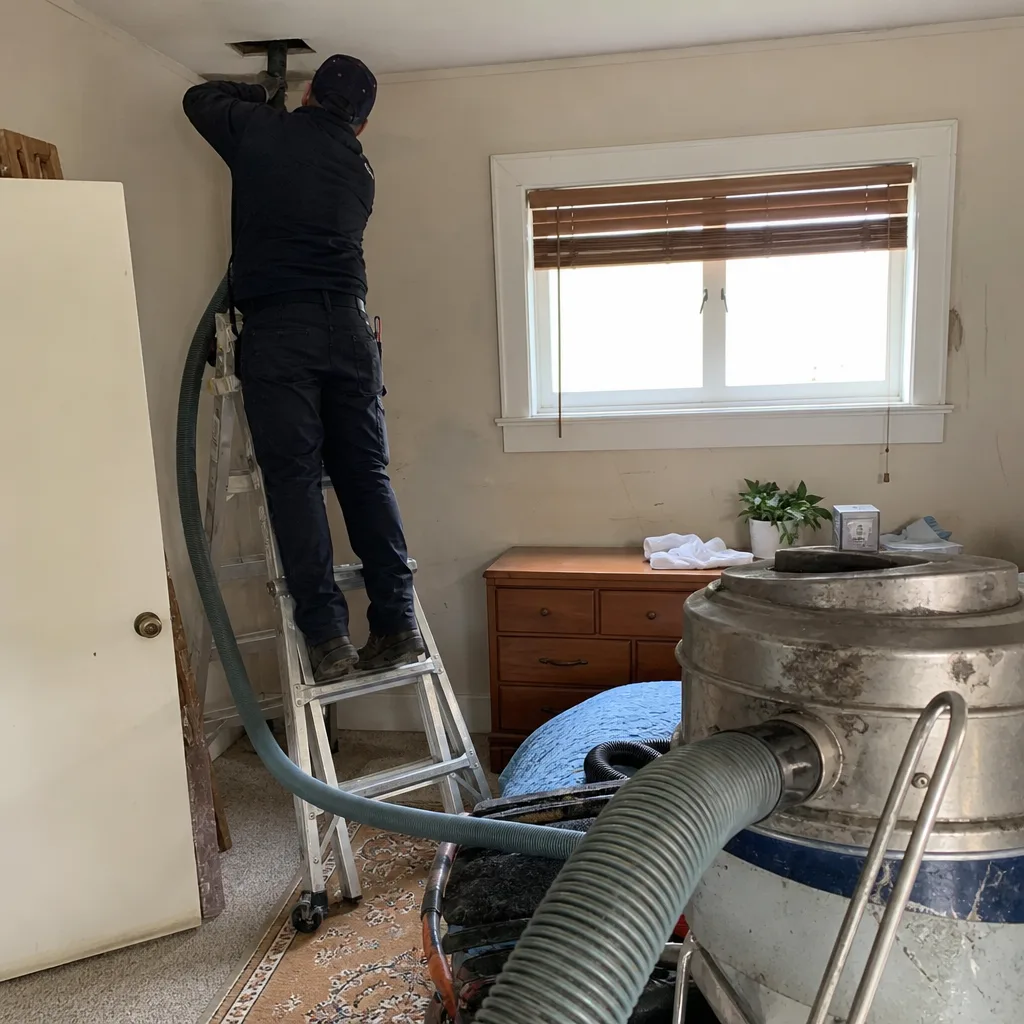
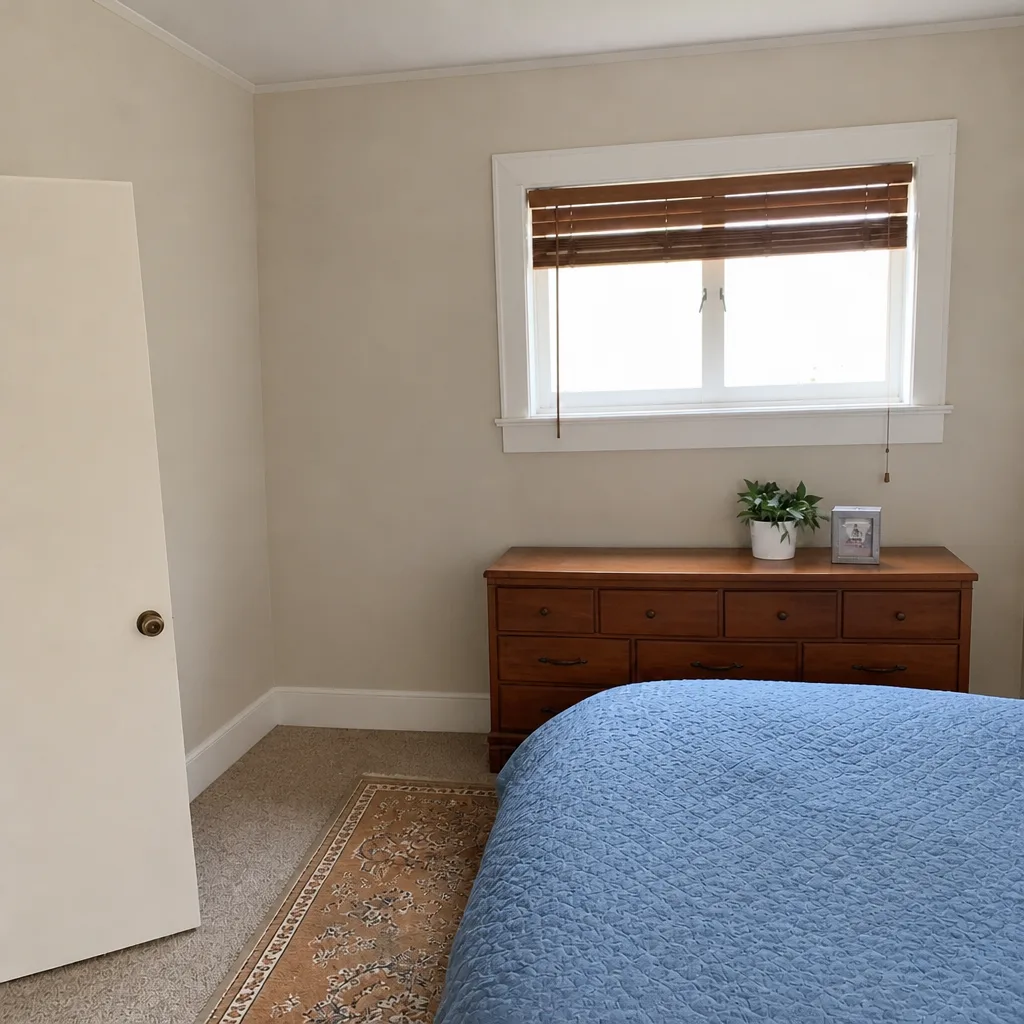
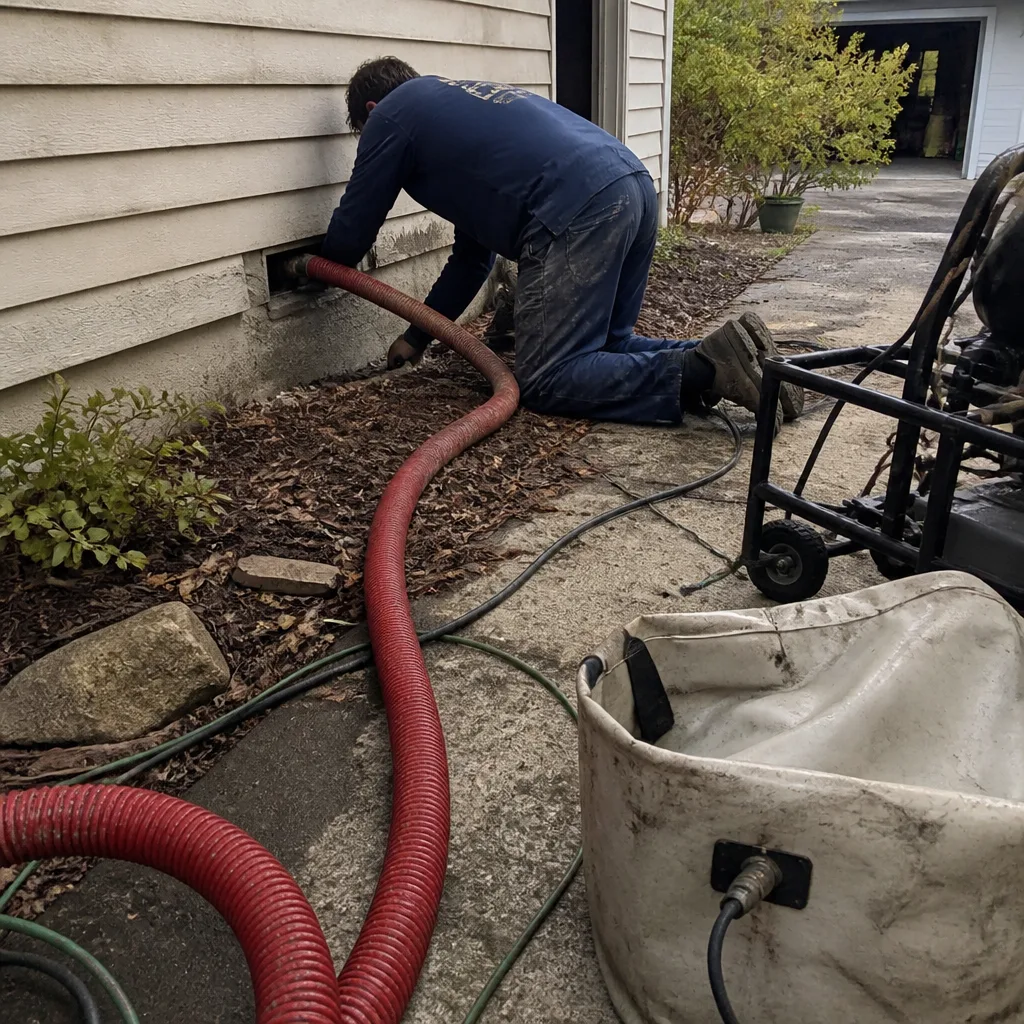
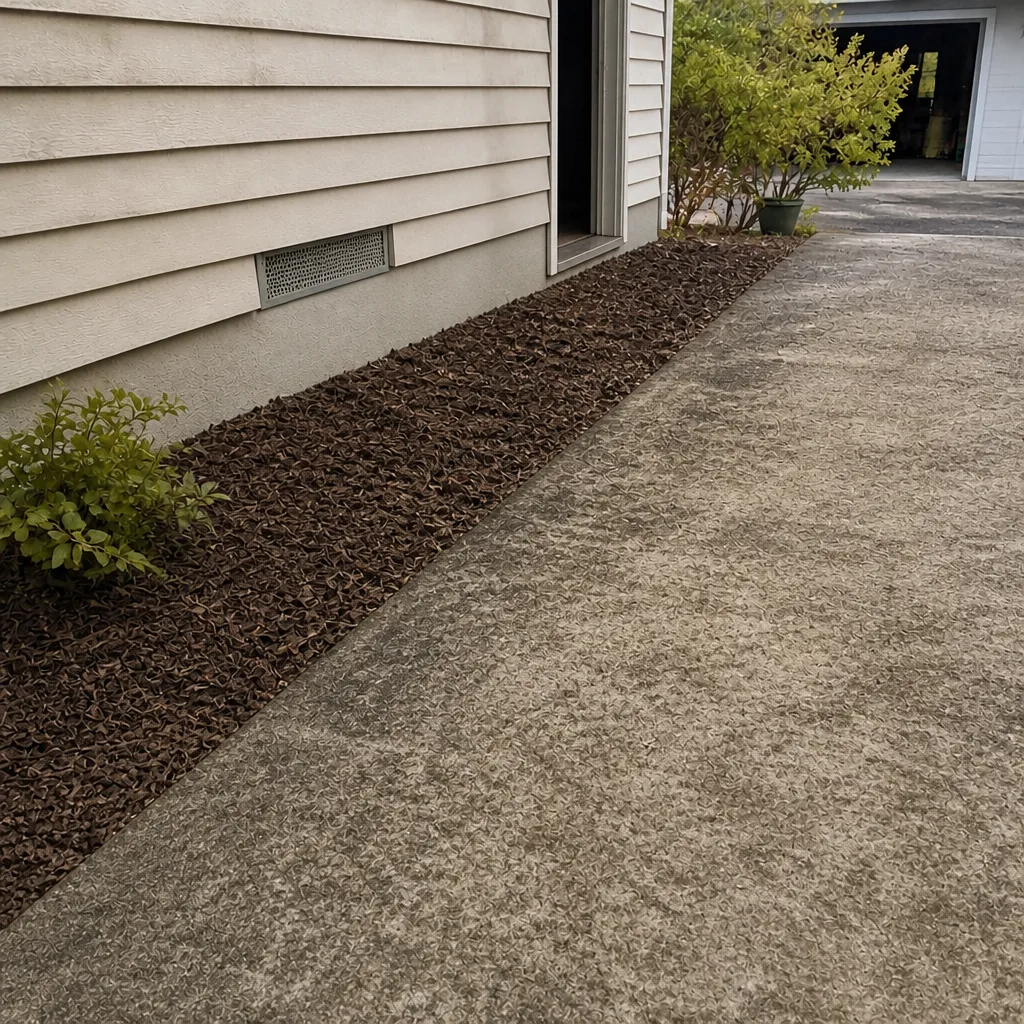
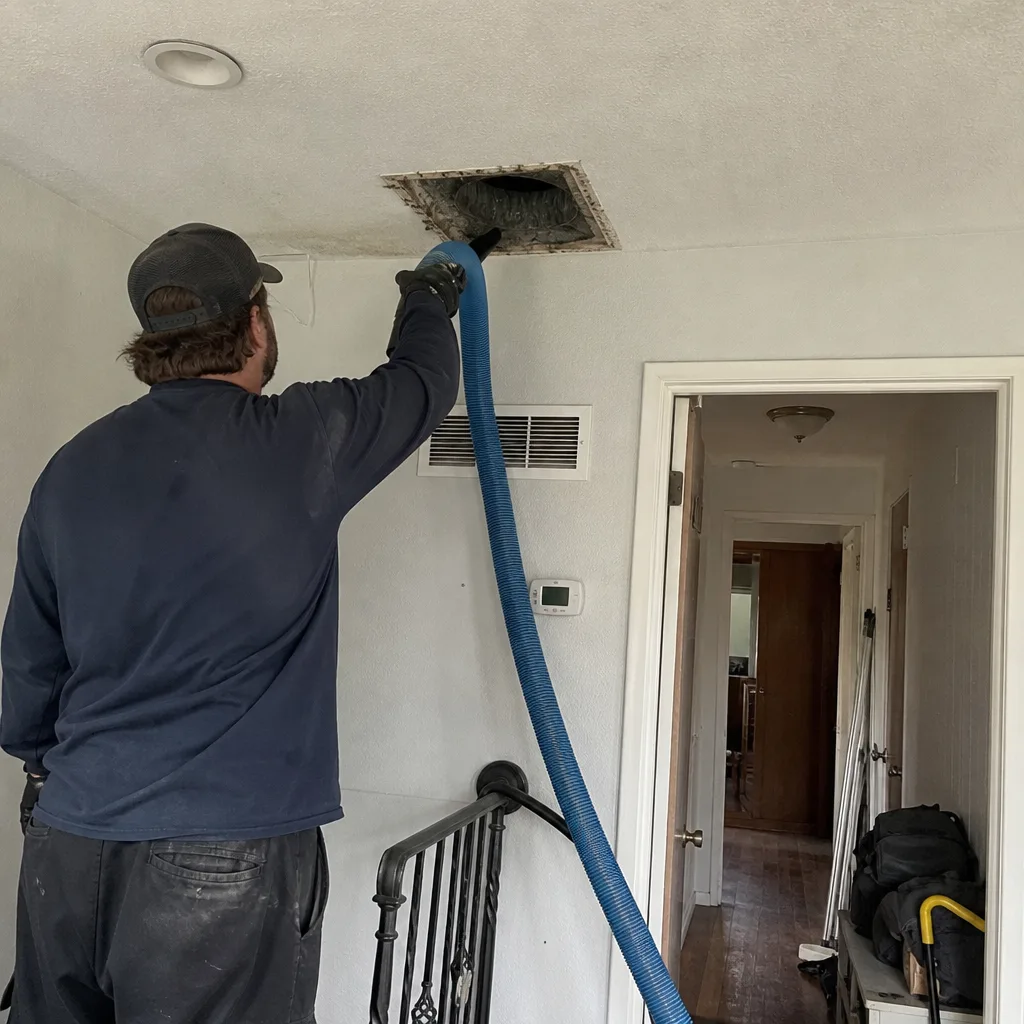
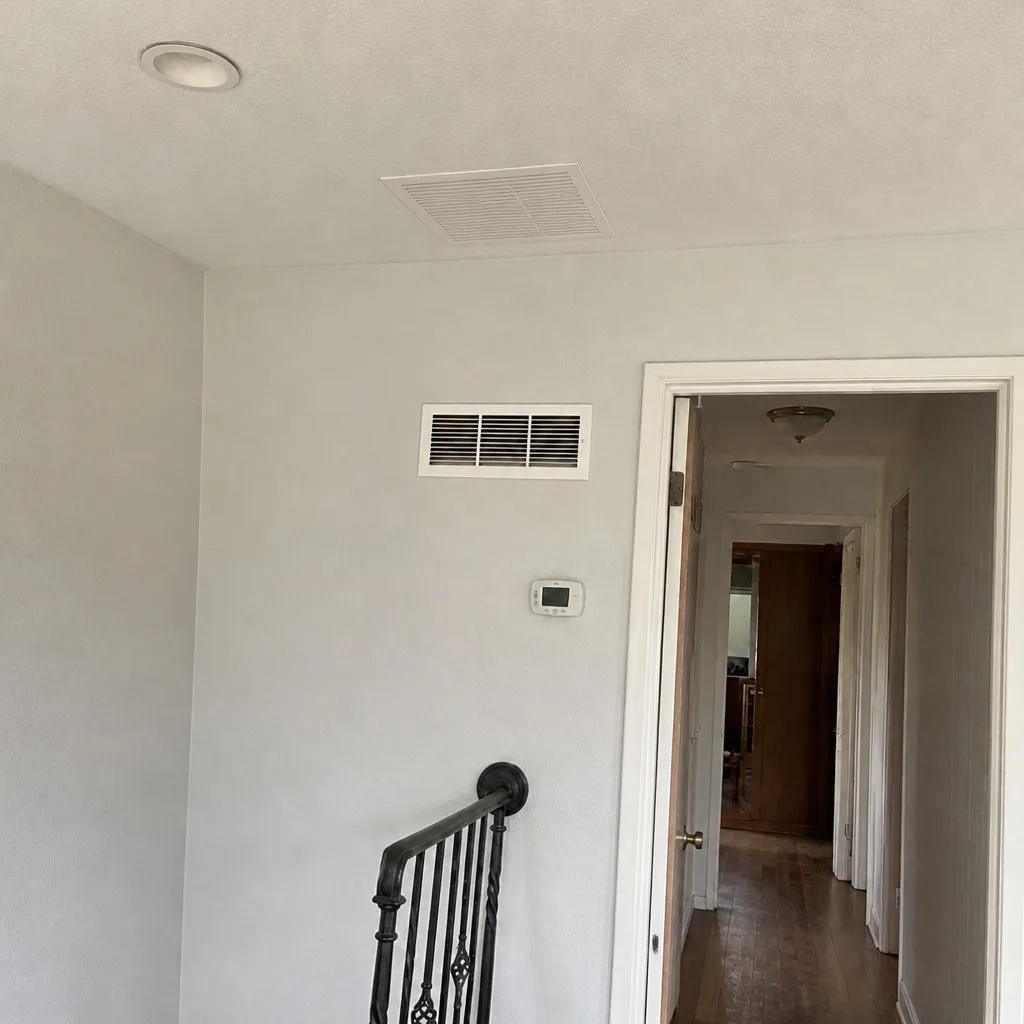
Whole-system duct and dryer vent check with before-and-after photos - you see exactly what came out of your vents
That "$99 whole-house special" is a bait ad - the real number appears once they are in your hallway, or the "clean" is a shop-vac at the register. We photograph the inside of your ducts before and after instead.
Air Duct Cleaning Cost Breakdown: The West Seattle Homeowner’s Reference for 2026
Two quotes land in your inbox for the same house on the same street in West Seattle. One says $299. The other says $750. It’s natural to assume the higher bidder is gouging you, and just as natural to assume the lower one is cutting corners. Neither assumption is reliably true, because those two numbers frequently describe different scopes of work performed with different equipment. A $299 quote may be for a surface pass with a portable vacuum. A $750 quote may be for full negative-pressure extraction on a system that hasn’t been opened in decades. This guide walks through what actually drives the price: register count, trunk-line length, accessibility, and the grade of equipment on the job. You’ll finish knowing how to read a bid instead of just comparing headline numbers.
Quick Answer
Whole-home air duct cleaning in West Seattle typically runs from about $300 to $800, with most single-family homes landing between $400 and $650 depending on system size, duct accessibility, and how much contamination has built up. Homes with inaccessible crawlspace runs, attic ductwork, or original galvanized trunks from pre-1970 construction often sit at the higher end. Add-on services like dryer vent cleaning, coil cleaning, and antimicrobial treatment add $80 to $250 each. The written estimate sets the final price, and the estimate itself should be free.
Styles & brands we work with
- Whole-home duct cleaning
- Dryer vent cleaning
- Camera inspection
- Sanitizing & deodorizing
Table of Contents
- Why two West Seattle quotes can differ by three times
- The cost variables that actually matter
- What contractor-grade equipment costs and why it shows up in your quote
- Add-on services decoded: what’s worth it and what isn’t
- How West Seattle’s older housing stock raises the real cost
- What a written quote should itemize
- Neighborhood notes: pricing across West Seattle
- Common mistakes to avoid
- When to call a professional
- Frequently asked questions
Why Two West Seattle Quotes Can Differ by Three Times
The gap between a $299 quote and a $750 quote is rarely a margin difference. It’s usually a scope difference, and sometimes a completely different service under the same name. When a company quotes a flat rate over the phone without seeing the house, they’re pricing a theoretical system, not yours. A West Seattle home with eight registers, two return trunks, and a basement furnace is a much different job than a home with fifteen registers, attic runs, and a crawlspace main that’s been sealed since the 1960s. A phone quote can’t know which one it’s looking at.
Here’s what changes between the low end and the high end of the market:
- Access method. A portable vacuum sits at a single register while the crew works nearby. A truck-mounted or high-capacity extraction system maintains negative pressure across the whole system so dislodged debris moves out rather than into your living space. Those aren’t the same job, and they aren’t priced the same.
- Coverage. Some quotes cover supply registers only. Others cover supply, return, main trunks, the air handler cabinet, and the coil. Read the scope before comparing price.
- Containment. A HEPA-filtered vacuum changes how much particulate stays suspended in the air during the job. That’s real equipment with a real operating cost.
- Remediation capability. When a system has visible biological growth or heavy buildup, the job shifts from cleaning to remediation. That requires different tools and takes longer.
In our experience, the quote that’s $450 with a detailed scope is often a better value than the $299 one that covers half the system. Ask what’s actually included before you decide which is cheaper.
The Cost Variables That Actually Matter
Four things drive the price of a duct cleaning job, and none of them can be accurately assessed over the phone without a home visit. That’s the core reason phone quotes are structurally unreliable, no matter how well-intentioned the company giving them is.
- Register and vent count. Each supply register and return grille is a point of access. More vents mean more time, more setup, and more extraction. Homes in West Seattle with additions or finished basements often carry more registers than the original square footage would suggest.
- Linear footage of main trunk lines. A long ranch house with trunk lines running clear across the footprint takes more extraction time than a compact two-story. Trunk diameter also matters, since larger main lines move more volume.
- System accessibility. Ductwork hidden in an inaccessible crawlspace, boxed into a soffit, or buried behind finished drywall requires more labor to reach. Each connection point that has to be opened and resealed adds time.
- Equipment type. A professional rotary brush and HEPA vacuum setup is a different class of tooling than a portable shop vac and a hose. The equipment cost, operating cost, and skill required all factor into the quote.
A crew doing legitimate work in West Seattle will walk the house, count registers, look at the furnace, and check what’s accessible before quoting. If a company will give you a firm price without any of that, they’re either selling a narrow scope or quoting a number they intend to revise.
What Contractor-Grade Equipment Costs and Why It Shows Up in Your Quote
Professional-grade equipment, not a shop vac and a hose, is the single biggest dividing line in this trade. Our technicians run air duct cleaning with the Rotobrush rotary brush extraction system on every job, paired with Nikro HEPA-filtered vacuum equipment for particulate containment. That’s the same class of tooling used on commercial and remediation-grade projects, and it has different operating economics than a portable vacuum rig.
What that means for your quote:
- Rotary brush extraction mechanically agitates the duct wall while the vacuum collects dislodged material. It reaches buildup that static suction alone leaves behind.
- HEPA filtration on the vacuum side traps fine particulate rather than exhausting it into your home. This matters for allergy sufferers and households with young children or elderly residents.
- Abatement Technologies equipment comes into play on elevated contamination scenarios where particulate control needs to be tighter than a standard cleaning setup.
All of that costs more to own and operate than a shop vac. A company running this equipment can’t honestly quote $299 for a whole-house job, and one charging $299 has usually built their number around cheaper tooling. That doesn’t automatically make the $750 quote fair, but it does explain a portion of the gap. Ask each company what equipment they’ll actually bring and whether it’s rotary brush or vacuum only. The answer tells you a lot.
The same logic applies to the rest of the air pathway. When we talk about HVAC cleaning, we mean the air handler, coil, and blower as well as the ducts feeding them. Cleaning the ducts while leaving a fouled coil in place wastes most of the effort.
Add-On Services Decoded: What’s Worth It and What Isn’t
Add-ons are where quotes get inflated and where honest value gets lost. Some are genuinely useful in West Seattle’s climate. Some are margin builders that get tacked on because the customer doesn’t know to refuse them.
- Dryer vent cleaning ($100 to $180). Genuinely valuable. Lint accumulation in a dryer vent is a real fire hazard, and the residue is combustible. Households that run laundry frequently or haven’t had the vent cleaned in years benefit most. Dryer vent cleaning is a legitimate service on its own and doesn’t need to be bundled to be worth doing.
- Coil cleaning ($80 to $200). Worth it when the coil is visibly fouled or the system has gone years without service. A dirty evaporator coil forces the system to work harder and degrades cooling. In a climate with damp winters like West Seattle’s, a coil that sees a lot of moisture can collect debris and biological growth that a simple rinse won’t remove.
- Antimicrobial treatment ($80 to $180). Worth it when there’s visible growth or a musty odor, or when the home has had water intrusion. Skip it if the ducts themselves were clean and dry. A treatment applied to a system with an unresolved moisture problem is a temporary measure.
- Duct repair and sealing (variable). This one depends entirely on what the inspection finds. Breaches, disconnected joints, and gaps at the plenum let conditioned air escape and pull unfiltered air in. Sealing those is real value, not a margin builder.
- “System sanitizing fog” with no cleaning. A fog into dirty ducts is decoration. It doesn’t remove anything, and it can’t reach buildup. Skip anything that sanitizes without cleaning first.
When our crews find a breach during a cleaning, we seal what we find as part of the same visit rather than handing you a referral. That’s one crew, every step, rather than a second contractor for the post-clean repair.
How West Seattle’s Older Housing Stock Raises the Real Cost
West Seattle has a substantial stock of pre-1970 homes, and older construction changes the job in ways a flat-rate quote can’t account for. A 1950s Craftsman in The Junction and a newer build in Arbor Heights are not the same duct-cleaning job at any price point.
- Original galvanized ductwork. Galvanized trunks from mid-century construction often show joint wear, surface oxidation, and sediment that’s settled into the low points. It takes more extraction time to clear than newer flex duct, and it’s more likely to have developed leaks at the seams.
- Inaccessible crawlspace runs. Many pre-1970 homes in West Seattle have main trunk lines in a crawlspace with limited clearance. Getting to each connection, opening it, cleaning it, and resealing it adds real labor. A company quoting from a listing photo doesn’t know this.
- Attic ductwork. Attic runs expose the crew to awkward angles and limited working space, and in older homes the ducts themselves are more likely to be under-insulated. Both factors add time to the visit.
- Retrofitted systems. Homes that had central air added decades after construction often have ductwork tucked into spaces that didn’t anticipate it. These runs take more effort to access and to verify after cleaning.
If you own an older home in West Seattle, expect your quote to reflect that complexity. A company that gives an old house and a newer one the same number over the phone is either guessing or working from a scope too narrow to hold up.
What a Written Quote Should Itemize
A written quote should itemize the scope, not just the price. That’s what lets you compare two bids on equal terms rather than letting the lower headline number win by default. Here’s what a detailed written quote should spell out:
- The number of registers and returns covered. If the quote doesn’t list a count or say “all accessible,” the scope is undefined.
- Whether main trunk lines are included. Cleaning registers without trunk lines is a partial job.
- Whether the air handler and coil are included or billed separately. Some quotes treat the furnace cabinet as an add-on. Others include it.
- The equipment that will be used. Rotary brush extraction and HEPA vacuum versus portable vacuum is the relevant distinction. Ask which one.
- Whether the crew reseals every access point after cleaning. It should be stated, not assumed.
- Whether duct repair and sealing is quoted separately or included if needed. Breach repair pricing should be transparent upfront, not discovered mid-visit.
- The final scope description. The written estimate sets the price. If it’s not in the estimate, it’s not in the job.
One flat price per system agreed before work starts is the standard we hold ourselves to, and it’s the benchmark to ask of any company quoting in West Seattle. Per-vent pricing is a red flag, because it turns a fixed job into an open-ended one. And ask for before-and-after photos of your own system, not stock images. If a company can’t produce them, the cleaning claim is hard to verify.
Neighborhood Notes: Pricing Across West Seattle
West Seattle isn’t one housing market, and duct-cleaning costs track the housing stock closely. Homes in The Junction, Genesee Hill, and Fauntleroy tend toward older construction with original ductwork and tight crawlspaces, which pushes a typical quote toward the higher end of the range. Admirable homes up on the ridges often have attic runs that add labor. Newer builds around Arbor Heights and further south often carry more efficient duct layouts and cost less to clean.
Alki and North Admiral homes vary widely depending on when they were updated. A mid-century house with untouched ductwork and a recently added second zone is a more involved job than the square footage suggests. Our technicians have up to 8 years of experience working in this range of housing, and the reality on the ground is that two homes a block apart can quote $200 differently for legitimate reasons.
What doesn’t change across West Seattle is the climate effect. Damp, cool winters keep the system running through months of high humidity, and that makes moisture management inside the ducts a live concern. It’s also why we stock Honeywell and Aprilaire air quality hardware: once the ducts are clean, the right filtration and humidity control keep them that way. Cleaner air starts with the right tools, and in this climate, it ends with the right hardware at the air handler.
Common Mistakes to Avoid
- Accepting a phone quote as final. A phone quote can’t see your registers, your crawlspace, or your furnace. It’s a placeholder until someone walks the house. Get the estimate in writing after an in-person or video assessment.
- Comparing headline prices without comparing scope. A $299 quote and a $650 quote may cover completely different services. Ask what’s included before deciding which is cheaper. This matters more in West Seattle’s older homes than in most markets.
- Paying per vent. Per-vent pricing rewards the company for counting rather than for cleaning. Whole-system pricing with a defined scope is the cleaner arrangement.
- Skipping the return air side. Cleaning supply ducts without touching returns leaves a large share of the system untouched. Your return trunks carry as much debris as your supply runs.
- Buying sanitizing without cleaning first. A fog treatment applied to dirty ducts does nothing. Sanitize after the ducts are actually clean, or skip it.
- Overlooking the dryer vent. Dryer vent cleaning is often deferred until a laundry room shows lint buildup. It’s a safety service, not a luxury, and it’s usually inexpensive as an add-on.
- Not asking for before-and-after photos. Photos of your own system are the simplest way to confirm the work happened. A company that can’t produce them is asking you to take their word for it.
When to Call a Professional
Some signs point clearly to a duct cleaning that shouldn’t wait. Visible dust blowing from registers right after a filter change, a persistent musty odor when the system runs, or a noticeable increase in allergy symptoms in one particular room are all worth a professional look. So is any recent renovation that kicked up drywall dust into the return side. After a water intrusion or a known mold issue near the air handler, the ducts should be assessed before the system runs again. If your dryer takes noticeably longer to dry a load than it used to, the vent likely needs attention. In an older West Seattle home where the ducts have never been opened, an inspection is worth doing even without symptoms, because what a camera finds is often more than the homeowner expected.
Air Duct Cleaning West Seattle offers free estimates in West Seattle. Call (877) 492-4032. We answer 24/7. Fast dispatch from 7am to 7pm, Sunday through Friday.
Frequently Asked Questions
Most whole-home jobs in West Seattle run from $400 to $650, with the full range stretching from roughly $300 to $800 depending on register count, trunk-line length, accessibility, and how much contamination is in the system. Homes with original pre-1970 ductwork or crawlspace runs sit at the higher end. Call (877) 492-4032 for an exact quote. Estimates are free.
Inexpensive quotes usually reflect a narrower scope or lighter equipment, not a better deal. A $299 phone quote may cover supply registers only with a portable vacuum, while a $650 quote covers supply, returns, main trunks, and the air handler with a rotary brush extraction system and HEPA vacuum. Compare what’s included line by line, not just the total. Call (877) 492-4032 to talk through what your home actually needs.
Ask for before-and-after photos of your own ducts, not stock images. A crew that cleans with rotary brush equipment and HEPA vacuum can show the state of the system before and after, and can walk you through what was found. Walk-through verification at the end of the job is standard for a legitimate company. Call (877) 492-4032 to schedule an estimate.
Every three to five years is a reasonable interval for most homes, though the schedule shifts based on pets, renovations, allergies, and whether the system has been exposed to moisture. Homes with a smoker, recent construction dust, or known contamination need it sooner. West Seattle’s damp winters mean a system that sees heavy seasonal use deserves a look on the shorter side of that range. Call (877) 492-4032 for a free assessment.
It’s usually a separate line item, and it should be, because the dryer vent is a distinct system from the HVAC ductwork. Typical pricing for standalone dryer vent cleaning runs $100 to $180 in West Seattle, and it’s worth doing on its own schedule since lint buildup is a fire risk independent of the household ducts. Call (877) 492-4032 to add it to an estimate.
It can help meaningfully when the ducts are the source of the problem, because removing accumulated dust, debris, and biological growth reduces what gets circulated through the home. HEPA-filtered vacuum equipment during cleaning keeps that material out of your air while it’s being removed. Pairing the cleaning with proper filtration at the air handler keeps it cleaner longer. Call (877) 492-4032 to discuss your situation.
It gets sealed as part of the same visit when it’s within the scope we can address. Duct Repair & Sealing is offered in-house rather than referred out, so a breach found during the cleaning doesn’t become a second appointment with a second contractor. If the repair needs more than the visit allows, it’s quoted in writing before work continues.
The Bottom Line
The number on a duct cleaning quote means nothing without the scope behind it. A $299 quote and a $750 quote are often describing different services, different equipment, and different coverage of the air pathway. West Seattle’s older housing stock, damp winters, and variety of duct configurations make this especially true here. Your defense is straightforward: insist on a written estimate that itemizes registers, trunk lines, equipment type, and whether the air handler and coil are included. Ask what happens if a breach is found. Ask for before-and-after photos. Then compare the bids on equal footing. A quote you can read line by line is worth more than one you can only compare by its total, and the written estimate is what sets the final price.
Call (877) 492-4032 for a free estimate. We answer 24/7. Fast dispatch from 7am to 7pm, Sunday through Friday.
Written by the team at Air Duct Cleaning West Seattle.
See the difference
 Before
 After
 Before
 After
 Before
 After