
Last updated November 22, 2026
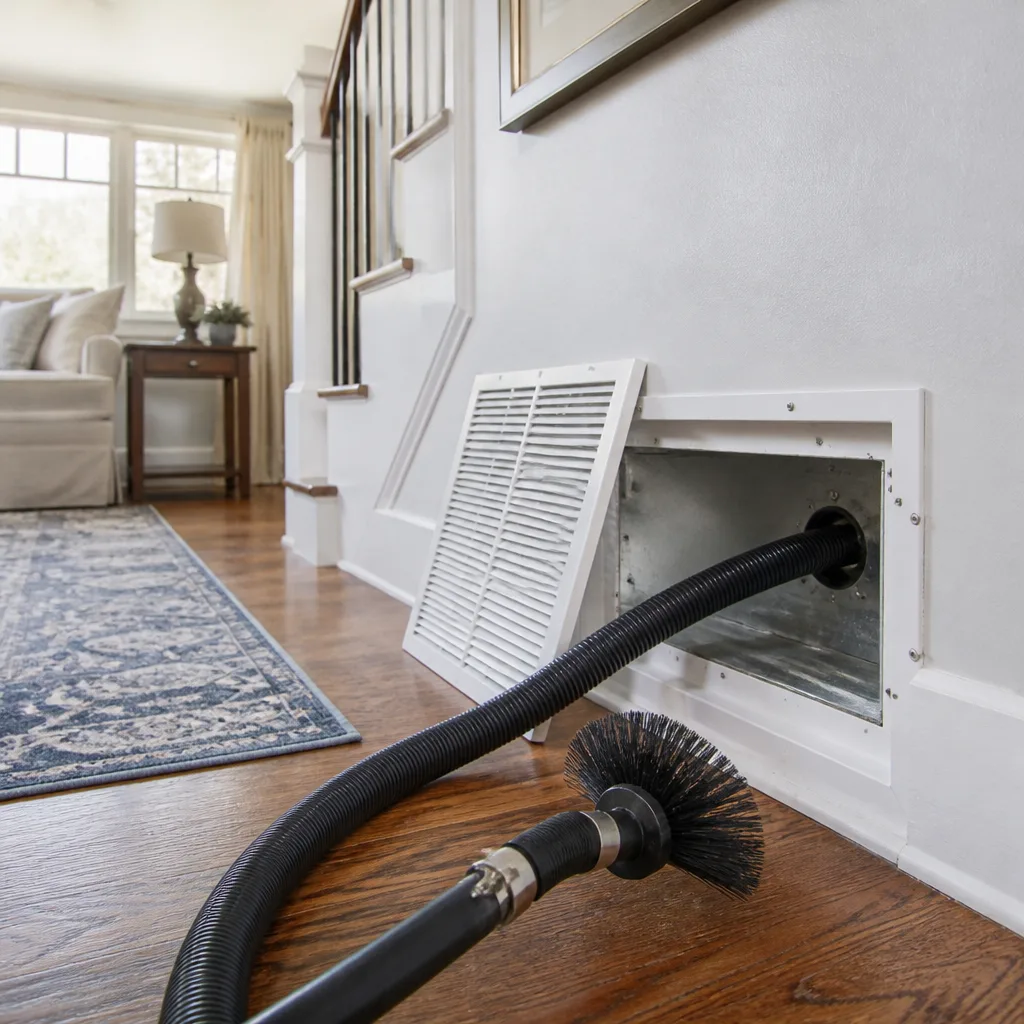 Whole-home duct cleaning
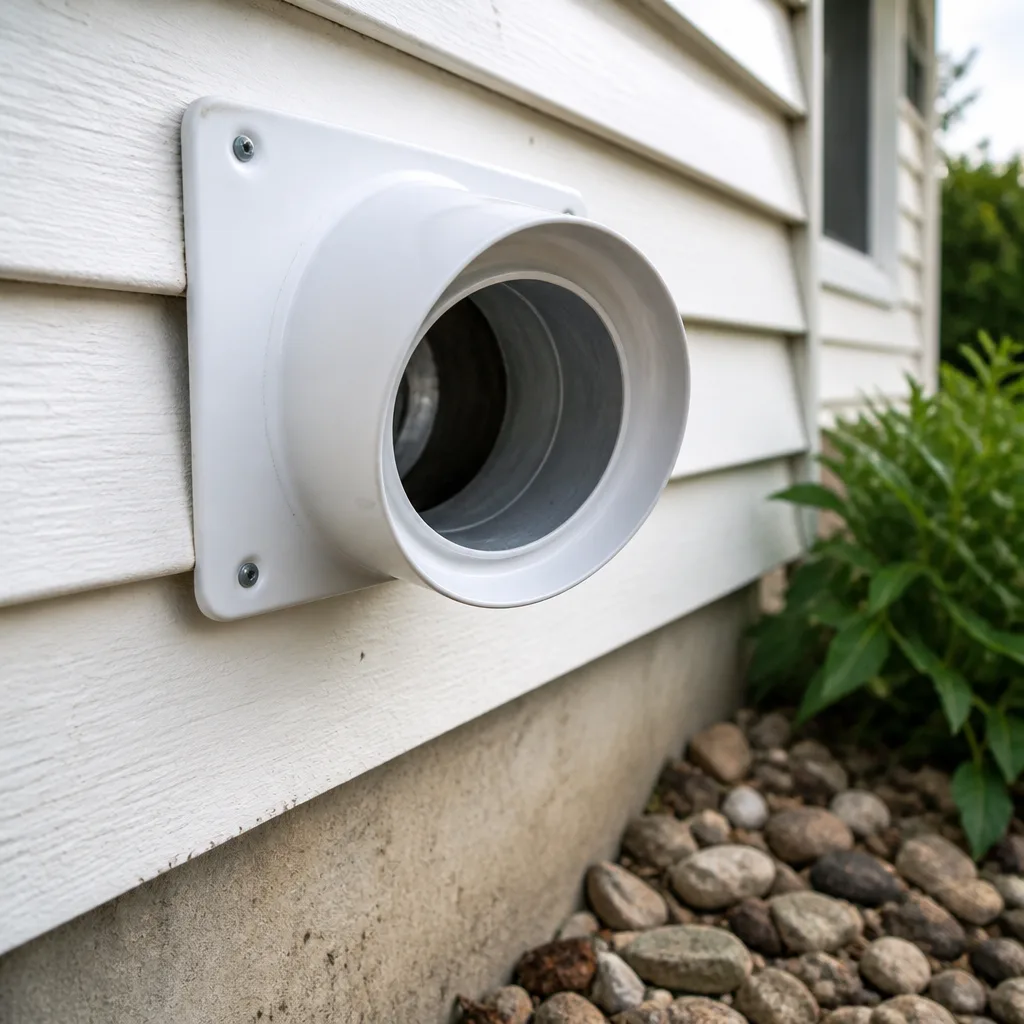 Dryer vent cleaning
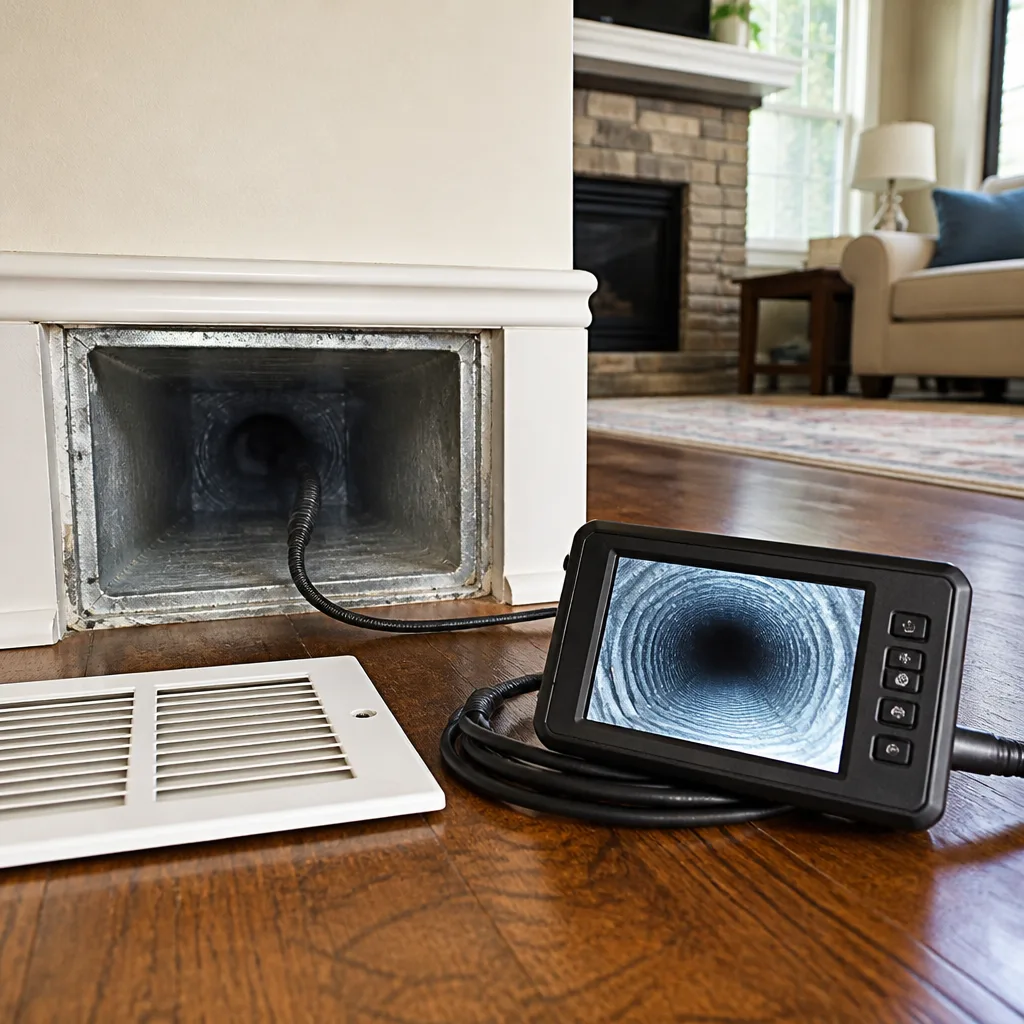 Camera inspection
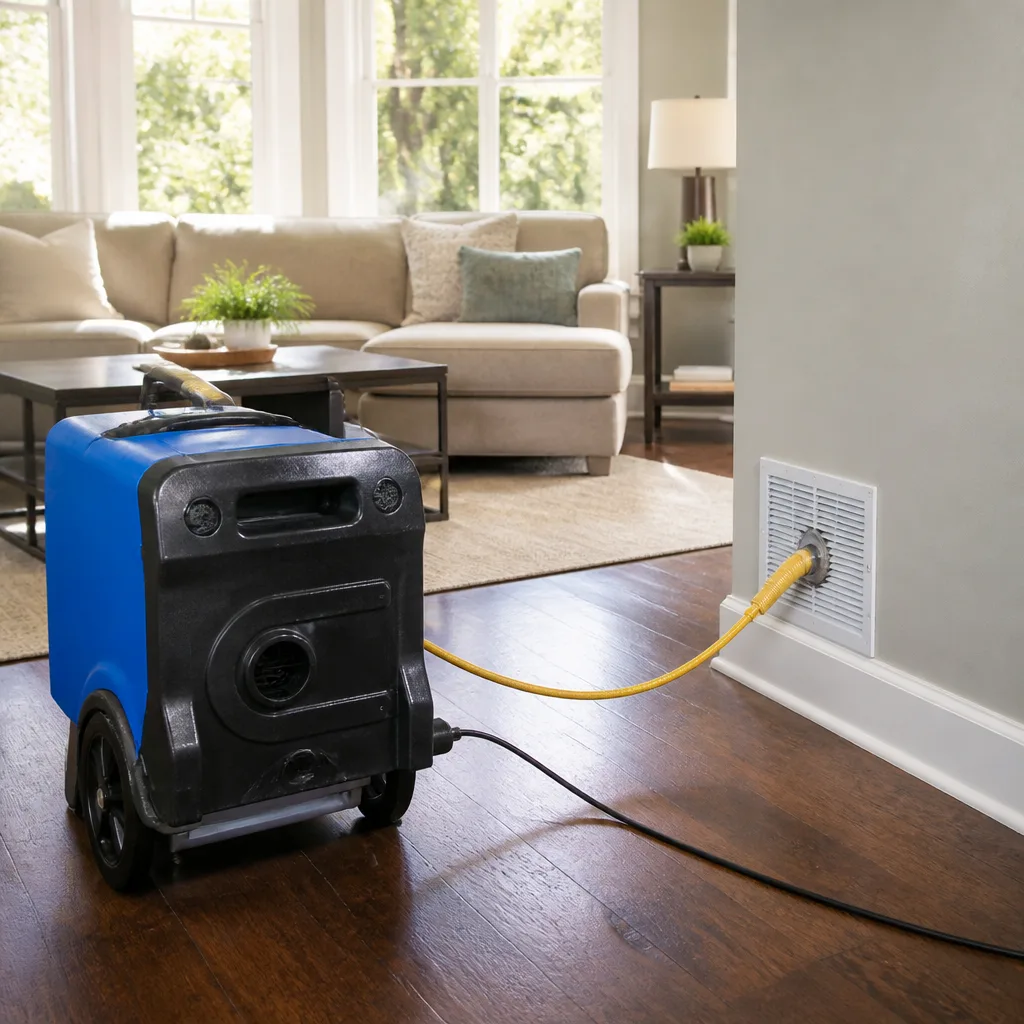 Sanitizing & deodorizing
Whole-system duct and dryer vent check with before-and-after photos - you see exactly what came out of your vents
That "$99 whole-house special" is a bait ad - the real number appears once they are in your hallway, or the "clean" is a shop-vac at the register. We photograph the inside of your ducts before and after instead.
Air Duct Cleaning Permits, Codes & Inspections in West Seattle, WA: What You Need to Know
No permit is required to clean your ducts. That’s the part most homeowners already suspect, and it’s true. But cleaning is where a lot of jobs stop being simple. A technician opens the system and finds disconnected duct sections, a damaged plenum, or flex duct run loose through a crawlspace, and the repair work that follows enters Washington State mechanical code territory immediately. That shift, from cleaning to repair, is the line this guide is built around. You’ll learn where cleaning ends, what triggers a permit in King County, how Seattle’s energy code treats duct leakage, and what to do if the job uncovers something older than the code itself. Every one of those answers matters for anyone owning or renting a home in West Seattle.
Quick Answer
Air duct cleaning alone does not require a permit in West Seattle or anywhere else in King County. Cleaning is maintenance, not construction. But repairing, replacing, or reconfiguring ductwork is mechanical work: it needs a licensed HVAC contractor and, in many cases, a mechanical permit through King County. If cleaning uncovers asbestos-containing insulation in a pre-1980 home, Washington’s asbestos rules take over and the pathway is fixed, not negotiable. Get the findings in writing either way.
Styles & brands we work with
- Whole-home duct cleaning
- Dryer vent cleaning
- Camera inspection
- Sanitizing & deodorizing
Table of Contents
- Does Air Duct Cleaning Require a Permit in West Seattle?
- Where Cleaning Ends and Mechanical Work Begins
- What Seattle’s Energy Code Says About Duct Sealing
- Rental Properties and Washington’s Indoor Air Quality Rules
- Asbestos in Pre-1980 Duct Insulation: The Regulatory Pathway
- Requesting Written Documentation of What Cleaning Found
- Inspections and Who Actually Conducts Them
- Questions That Tell You if a Duct Contractor Is Qualified
Does Air Duct Cleaning Require a Permit in West Seattle?
No. Cleaning the inside of an existing duct system is maintenance, and maintenance doesn’t trigger a King County permit. You don’t need a permit to have supply ducts vacuumed, returns cleaned, or a dryer vent cleared out. The same holds for sanitizing a system after cleaning.
Where homeowners get confused is the moment something is found. A duct cleaner pulls a section of flex duct off the trunk and discovers the connection was never properly sealed. Or a run under the house has collapsed. Or the plenum at the air handler is rusted through. Fixing any of those is no longer cleaning. It’s mechanical alteration, and mechanical alteration falls under the Washington State Mechanical Code, enforced locally through King County’s permitting process.
Think of it this way:
- Cleaning = maintenance. No permit. Connects a homeowner with an independent professional who runs the equipment.
- Sealing a leaking joint with mastic or approved tape = generally maintenance, so long as nothing is cut, moved, or replaced.
- Replacing a duct run, resizing it, relocating it, or changing the air handler connection = mechanical work. That needs a licensed HVAC contractor, and often a permit.
- Structural changes, like cutting a new opening in a wall or floor for a duct = separate permit territory on top of the mechanical one.
The practical takeaway: if a duct cleaner tells you cleaning needs a permit, ask what specifically needs permitting. If they can’t name the actual scope of repair, that’s a sales pitch, not a code requirement. West Seattle has plenty of older homes where the duct system was installed, modified, and modified again over decades. Most of that work was done legally at the time and never needed a permit. Nothing about cleaning it now changes that.
If your system has known issues beyond simple cleaning, it’s worth reading through what air duct cleaning actually covers before you assume the job will be cleaning only.
Where Cleaning Ends and Mechanical Work Begins
The clearest way to understand the boundary is by what the technician is physically doing. Cleaning removes material from inside an existing system. Repair changes the system itself. And in West Seattle, where so much of the housing stock sits on crawlspaces and steep lots, the repairs we’re asked about most often involve duct runs that were never set up well in the first place.
Cleaning, no permit
- Rotary brush and HEPA vacuum extraction through supply and return ducts
- Dryer vent clearing (the lint path, not the dryer itself)
- Sanitizing the air pathway after cleaning
- Cleaning the air handler cabinet and evaporator coil area, where accessible
Mechanical work, licensed contractor and usually a permit
- Replacing a section of damaged or disconnected duct
- Sealing a major leak where a duct section has to be removed and reinstalled
- Reconnecting a plenum that’s come loose at the air handler
- Adding, removing, or rerouting a duct run
- Replacing flex duct with rigid duct, or the reverse
- Any change to the supply, return, or exhaust system’s layout
Notice what’s not on the second list: honesty. A technician who finds a disconnected duct is not automatically required to sell you a repair. They are required, ethically and increasingly by professional practice, to document what they found and describe what remediation would involve. You decide whether to proceed. In our experience the honest middle ground is small sealing work done as an extension of cleaning, with anything structural handed to a licensed HVAC contractor proper.
The reason this boundary matters in West Seattle specifically is the housing. Mid-century homes on the west side were often built with ductwork that’s now sixty or seventy years old. Flex duct from a later retrofit is common. Improvised connections at the air handler are common. Full cleaning work in the area routinely turns up conditions that predate current code, and none of those conditions are the cleaner’s fault. Understanding where they sit on the permit line protects you from paying for permits you don’t need and skipping permits you do.
What Seattle’s Energy Code Says About Duct Sealing
Washington State’s energy code sets requirements for duct sealing on new and altered duct systems, and the City of Seattle has its own energy code that applies to work permitted within the city limits. The code provisions don’t apply to the act of cleaning. They apply when ductwork is being installed or altered as part of a permitted project, and they set standards for leakage that the completed system has to meet.
Where this becomes relevant to you during a cleaning is the moment significant leakage is found. Say a full cleaning uncovers a return duct that’s pulled away from its connection point and has been leaking into the crawlspace for years. That leak is costing you conditioned air. Sealing a pulled connection is generally minor work. But if the discovery leads to a larger duct resealing project, that project can trigger energy code requirements, and those requirements may rule out quick fixes. In practice that means the proper remedy is more than a strip of foil tape.
What the energy code generally requires of duct work in permitted projects, in broad terms:
- Ducts located outside the conditioned space have to be sealed at all joints and connections with approved materials, not general-purpose tape.
- The system’s leakage has to be verified against a specified standard, which is usually done by pressure testing after the work is complete.
- Sealing materials must be rated for the temperature and the application, which matters most near the air handler where temperatures run highest.
- Any insulation removed to access and seal joints must be restored afterward.
Those requirements belong to the HVAC contractor doing the altered work, not to the cleaning company. But you should leave a cleaning knowing whether the leakage you’ve just been shown warrants that conversation. Ask the cleaning technician directly: is this a maintenance-level seal, or does this alter the system enough to be a permitted job? If they can’t tell you, ask an HVAC contractor. The question is fair and it’s the exact one the code boundary turns on.
Our own position is straightforward. We clean the full air pathway, seal what can be sealed as part of a normal cleaning job, and when what we find is mechanical work, we say so. The one-stop advantage of full-system service, from supply and return ducts through HVAC cleaning to sealing, means the conversation happens with one company instead of three. That doesn’t change the code. It just makes the handoff cleaner.
Rental Properties and Washington’s Indoor Air Quality Rules
Washington’s landlord-tenant law requires rental housing to be maintained in a condition fit for human habitation, and indoor air quality sits inside that requirement. There’s no blanket rule that a rental unit’s ducts must be cleaned on a set schedule. But the landlord has an obligation to correct conditions that make the unit unsafe or unhealthy, and a duct system full of debris, mold growth, or a disconnected return that dumps crawlspace air into the living space is exactly that kind of condition.
For a West Seattle rental property owner, the practical obligations look like this:
- Respond to reports of poor indoor air. If a tenant reports persistent musty smells, visible dust blowing from registers, or allergy symptoms that improve away from the unit, that’s a condition to investigate, not a complaint to dismiss.
- Document what a technician finds. A written report with photos of the duct interior before and after cleaning is your evidence that the condition was assessed and addressed.
- Distinguish cleaning from repair in the lease or maintenance record. Cleaning is routine maintenance. Repair of a disconnected duct or a compromised plenum is a more serious condition, and it should be corrected, not deferred.
- Keep the dryer vent in mind. Dryer vent lint buildup is a fire risk, and it’s a landlord maintenance issue. A rental in West Seattle with a clogged dryer vent is a hazard the landlord should be addressing.
For renters, the useful move is to ask your landlord in writing for a duct inspection if you’re seeing dust or smells coming from the registers. A written request creates a record. If the response is “that’s just old ducts,” ask for a professional assessment. Most West Seattle landlords want to avoid the larger liability and will cooperate with a documented inspection.
Property managers handling multiple units tend to want the cleaning company to document conditions regardless of whether repairs get approved. That’s the correct approach. It creates a maintenance record and it keeps the mechanical work decisions in the landlord’s hands. If your rental has a dryer vent that’s never been serviced, scheduling dryer vent cleaning is the simplest place to start.
Asbestos in Pre-1980 Duct Insulation: The Regulatory Pathway
This is the section we wish we didn’t have to include, and it’s the section West Seattle homeowners need to read most carefully. A large share of the city’s housing was built before 1980. Duct systems in many of those homes are wrapped in or lined with materials that may contain asbestos. Duct wrap, the paper-faced insulation wrapped around duct runs, and the interior lining in some older duct systems are the two places this shows up.
None of that insulation needs to be disturbed for routine cleaning. Cleaning is done with containment and HEPA filtration for this exact reason: to keep particulates controlled during the job. The problem arises when cleaning or repair requires cutting, removing, or disturbing insulation that hasn’t been tested. That’s the point where Washington State’s asbestos rules, which mirror the federal asbestos program, take over.
The pathway, step by step
- Stop and identify. If a technician suspects the insulation on or around the duct system contains asbestos, the material should not be disturbed further. Cleaning of that specific component is paused pending testing.
- Test the material. The correct step is laboratory testing of a sample taken by a qualified professional. You cannot tell asbestos-containing material from a safer material by looking at it. The age of the home is a reason to test, not proof either way.
- If it tests positive, hire a certified abatement contractor. Washington requires asbestos abatement to be performed by a contractor certified for the work, following notification and work-practice rules. A general duct cleaner cannot legally abate it.
- Complete abatement first. Cleaning or repair of that component happens after the asbestos work is finished and the air has been cleared. Not at the same time, and not by the same company unless they’re separately certified for abatement.
- Document everything. Keep the lab report, the abatement certificate, and the post-abatement clearance in your home records. It matters if you ever sell.
None of this is a reason to skip cleaning in an older West Seattle home. It’s a reason to make sure the company you hire recognizes asbestos when they see it and knows to pause instead of proceeding. Recognizing it is the whole job at that moment. In our experience, the older homes on the west side get better cleaning outcomes when the technician goes in expecting to find pre-1980 materials instead of assuming a modern system.
Requesting Written Documentation of What Cleaning Found
Ask for it before the job, not after. Written documentation of conditions found during cleaning is the single most useful thing you can walk away with, whether or not you proceed with any repairs. It’s also your protection against the industry’s worst habit, which is a technician who finds “problems” that only exist on the invoice.
What a useful report should contain:
- Before-and-after photos of your ducts. Photos of the actual interior of your system, at the same points, before and after cleaning. Not stock images, not a generic before-and-after.
- A written list of conditions found. Specific language: “return duct run disconnected at the trunk, approximately four feet from the air handler,” not “duct issues found.”
- The equipment used. What extraction system and what filtration were used on your job. Professional-grade equipment is documented because it’s part of what you paid for.
- A clear split between maintenance and mechanical work. Which findings are sealable as part of cleaning, and which require a licensed HVAC contractor or a permit.
- Whether asbestos testing is recommended. For pre-1980 homes, this should be stated explicitly if any suspect material was observed.
The reason the documentation matters independent of repair decisions is that it belongs to you. A report showing a disconnected return duct in your crawlspace is evidence you can use with your landlord, present to a buyer, or hand to the HVAC contractor you choose. It also creates a baseline. If you clean again in three years, you can compare the photos and see whether a condition got worse.
Ask for the report in writing even if the cleaning result is “no problems found.” A clean report with photos is worth keeping. When you’re ready to schedule, ask the company up front whether a written report with photos is included. Any honest company will say yes.
Inspections and Who Actually Conducts Them
There are three different kinds of “inspection” that come up around duct cleaning in West Seattle, and it helps to keep them straight because they’re performed by three different people for three different reasons.
1. The cleaning company’s own assessment
This happens during the job. The technician inspects the air pathway as they work through it, from registers to the return and into the air handler. This is where conditions are found and documented. It’s not a government inspection and it doesn’t carry any code authority, but it’s the most thorough look at the inside of your system anyone will get, because the system is actually open and the technician is inside it.
2. The mechanical inspection by the permitting authority
If repair work requires a permit through King County, the work is inspected by a county inspector at defined stages. That’s a code-compliance inspection. It confirms the mechanical work was installed per code, not that your ducts are clean. If a contractor does permitted duct work for you, they schedule the inspection and you’re entitled to see the result.
3. Indoor air quality testing
Independent air quality testing measures particulates, mold spores, and other contaminants before and after cleaning. This is a separate service from cleaning. Some companies offer it, some don’t, and it’s worth asking about if someone in the household has allergies or respiratory conditions. Professional-grade equipment matters here: Nikro HEPA filtration and Abatement Technologies equipment are used on jobs where contamination control is the priority, and it’s reasonable to ask what equipment is being used on yours.
What none of these is: a “certification” that a cleaning company can issue. There is no government inspection of a duct cleaning. Any company claiming to provide one is either misunderstanding the terminology or using it as sales language. Ask them what they mean. The answer tells you a lot.
Questions That Tell You if a Duct Contractor Is Qualified
The regulatory side of duct work is a paper trail. The practical side is who shows up at your door and what equipment they carry. Here’s what to ask before booking, and what a good answer sounds like.
- “What equipment will you use?” You’re listening for professional extraction systems like Rotobrush rotary brush equipment and Nikro HEPA-filtered vacuums. A company that leads with a shop vac is not doing the same job.
- “How is the system contained during cleaning?” HEPA filtration and bag filtration keep the material you’re disturbing from ending up in your living room. Abatement Technologies containment equipment is the answer on jobs with higher contamination.
- “Will I get before-and-after photos of my own ducts?” The answer should be an immediate yes. If it’s “we can take some if you want,” ask for it in writing.
- “If you find a broken duct, what happens?” A qualified company either seals minor issues as part of the job or documents the mechanical work and tells you it needs a licensed HVAC contractor. What they shouldn’t do is present a repair as mandatory on the spot.
- “Are you licensed?” Cleaning companies are business-licensed. Mechanical work on the ducts requires a licensed HVAC contractor. The local pro we connect you with is licensed and insured as their state requires, and any repair work beyond sealing should come from an appropriately licensed contractor.
- “What brands do you work with for air quality?” If air quality systems are part of the conversation, Honeywell and Aprilaire are the ones to know. A company that can install air quality hardware alongside cleaning understands the whole system rather than just the vacuum side.
- “Do you clean the HVAC unit and the dryer vent too?” Full air pathway coverage means supply and return ducts, the HVAC unit, and the dryer vent, plus sealing and sanitizing. If you’d need a second company for half the work, that’s a decision to make up front. Our HVAC cleaning work is a good place to start understanding what full coverage looks like.
The overall read you’re looking for: a company that can talk about the boundary between cleaning and mechanical work without either refusing to acknowledge repairs or turning every finding into an invoice. That boundary is the whole point of this guide, and a technician who can explain it is the one you want inside your system.
Common Mistakes to Avoid
- Assuming cleaning needs a permit. It doesn’t. If you’re quoted a permit fee for cleaning, that’s not a code requirement and shouldn’t be part of the cleaning invoice.
- Letting a cleaner do mechanical repair without the right license. Cleaning companies aren’t licensed HVAC contractors. Anything beyond sealing a small joint should be done by a licensed contractor, and sometimes with a permit through King County. Ask before the work starts.
- Declining written documentation because you aren’t proceeding with repairs. The report belongs to you regardless. It’s evidence for a landlord, a buyer, or the next technician. Get it in writing for every job.
- Skipping the asbestos question in an older West Seattle home. Pre-1980 homes may have asbestos-containing insulation on or around the ducts. Ask how the company handles it, and don’t accept “it’s fine” without testing when a material is suspect.
- Assuming your rental property doesn’t need attention because you haven’t had complaints. Duct problems are silent until they’re not. A documented inspection on a rental is cheap to do and protects you from a larger problem discovered by a tenant.
- Accepting a “certification” as evidence the work was done. There’s no government duct cleaning inspection. Photos of your own ducts before and after are the evidence. Anything else is marketing.
- Choosing the lowest bid without knowing the equipment. A bid that reflects a shop vac and a hose isn’t the same service as professional rotary brush extraction and HEPA filtration. When the prices are far apart, the equipment explains why.
See the difference
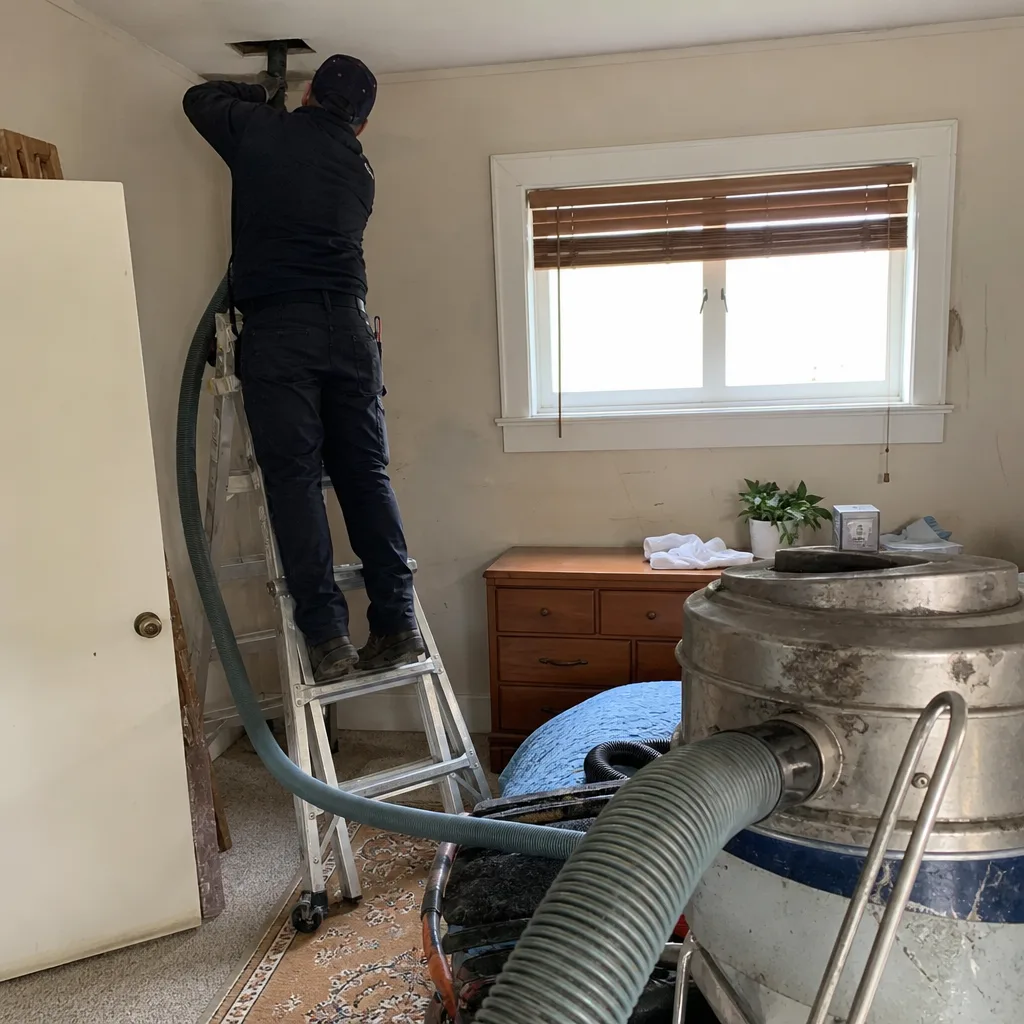 Before
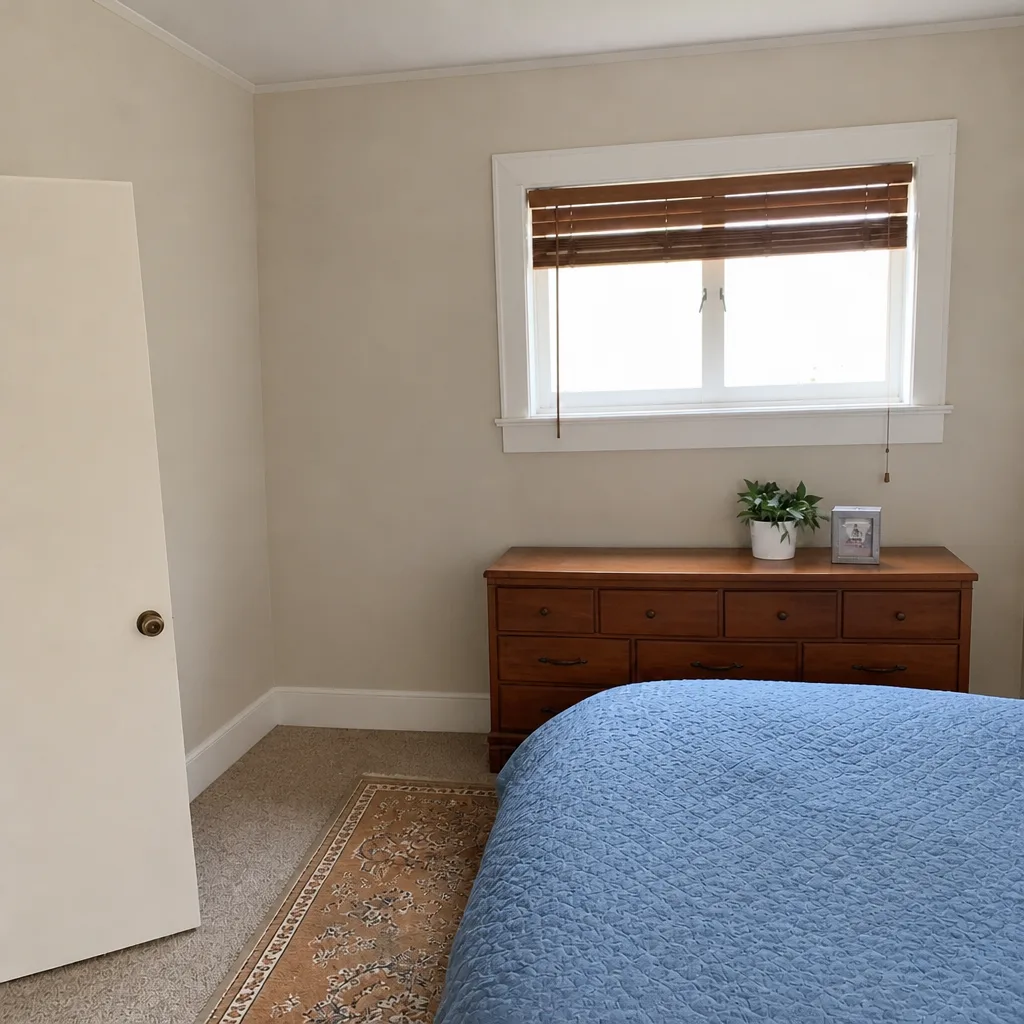 After
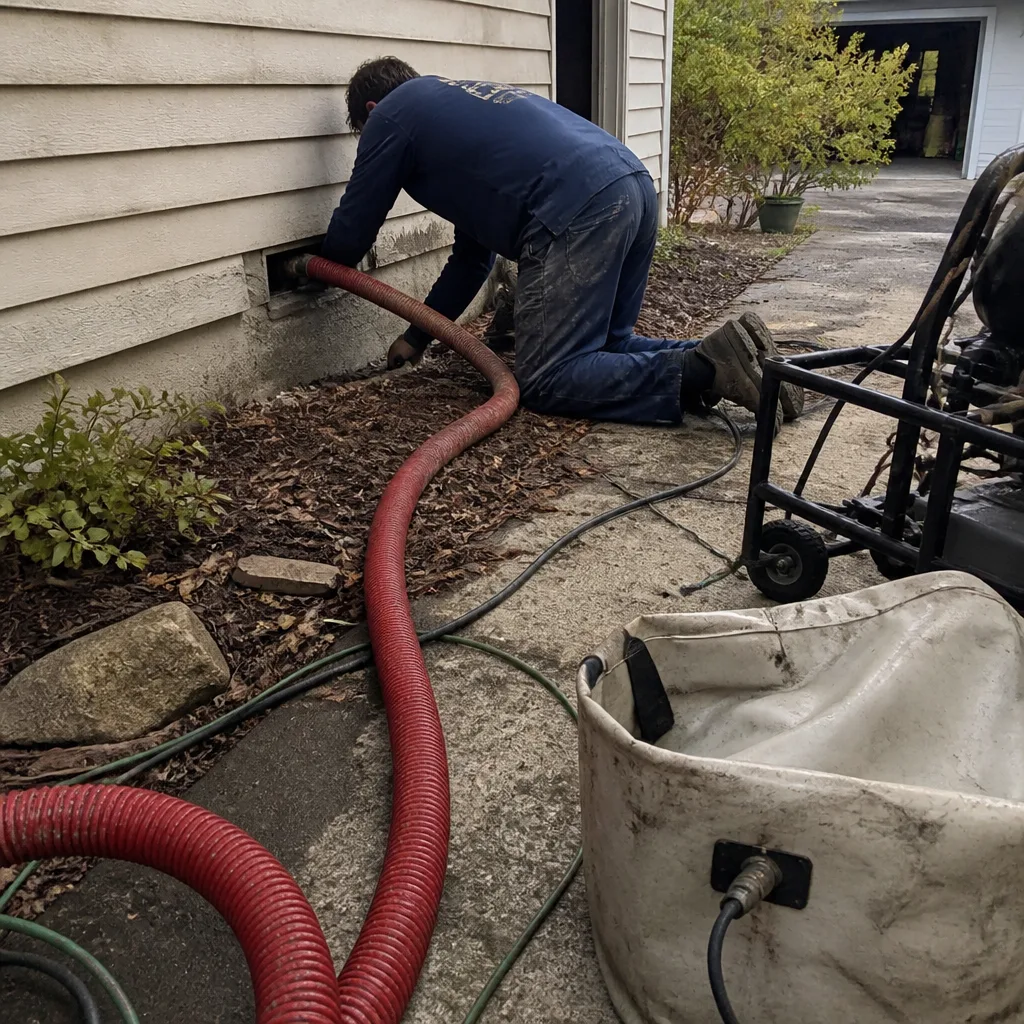 Before
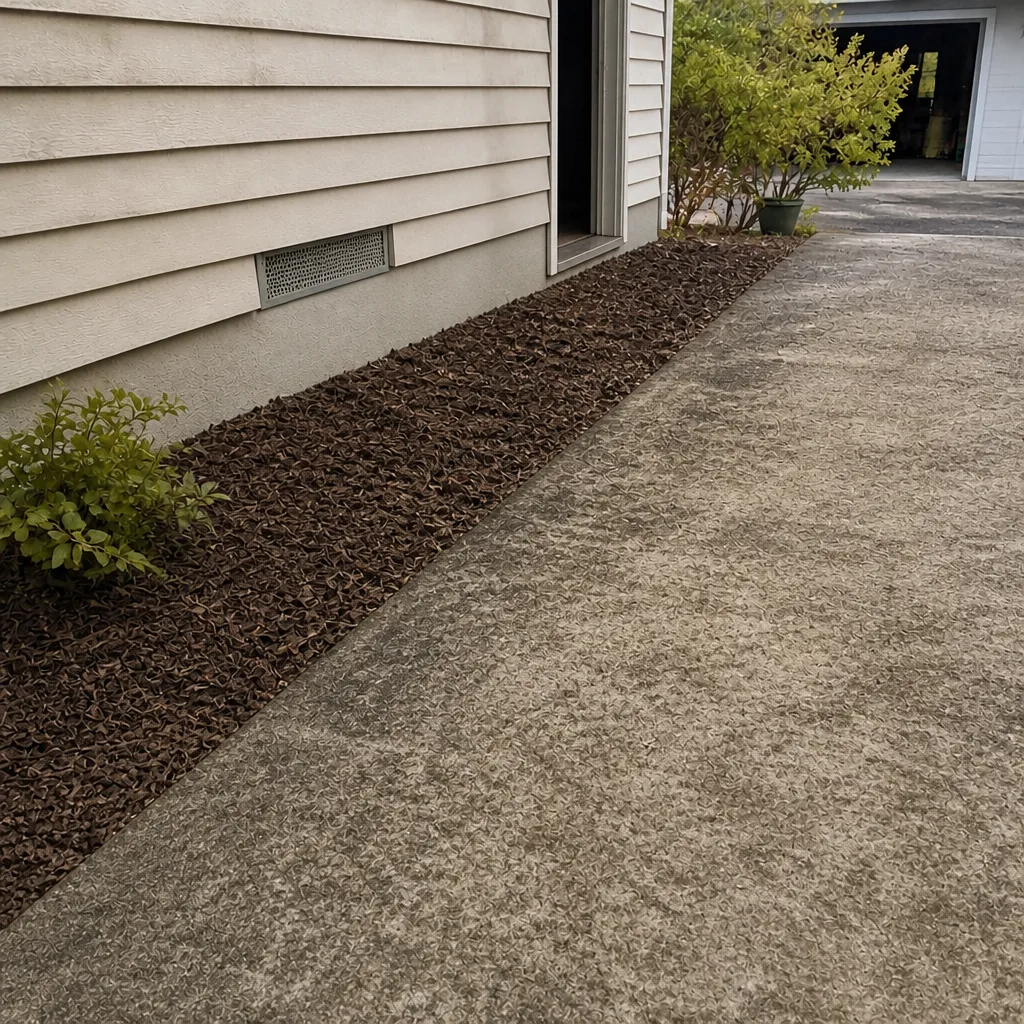 After
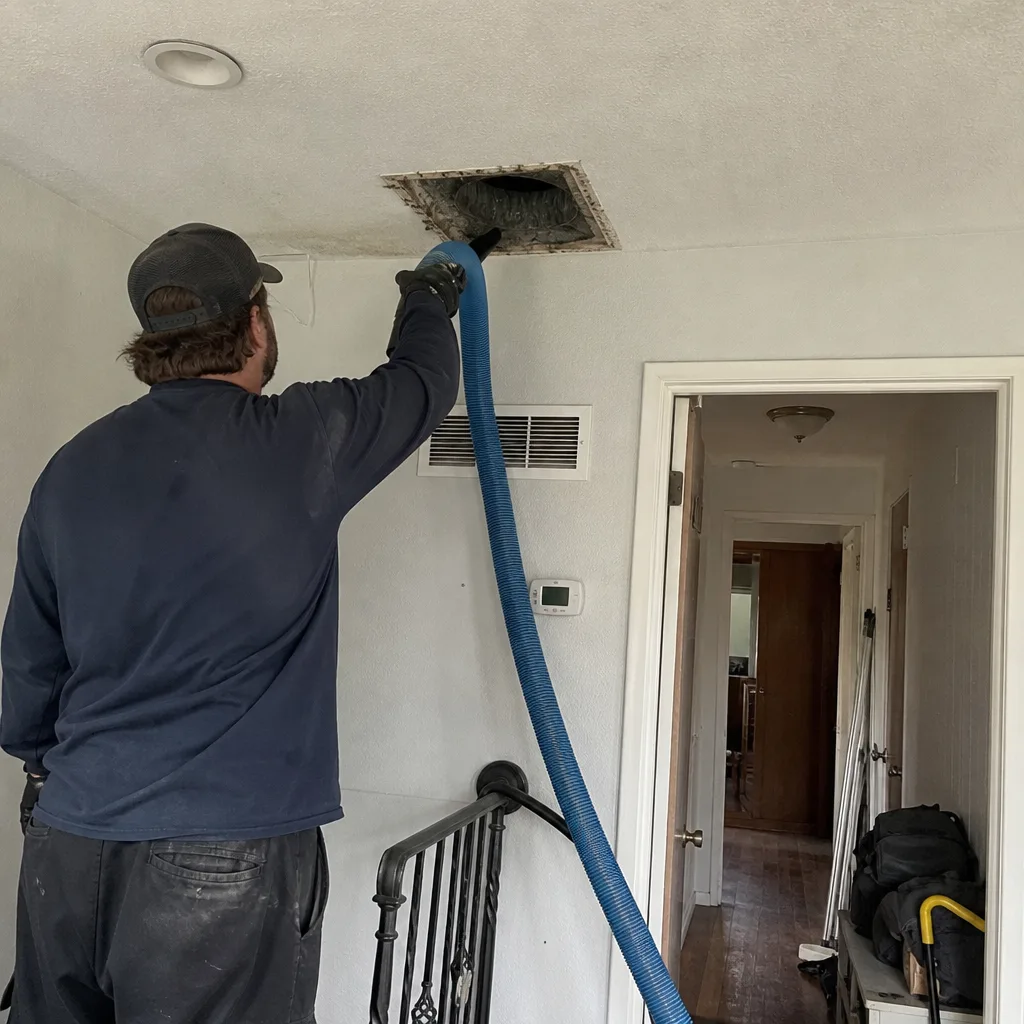 Before
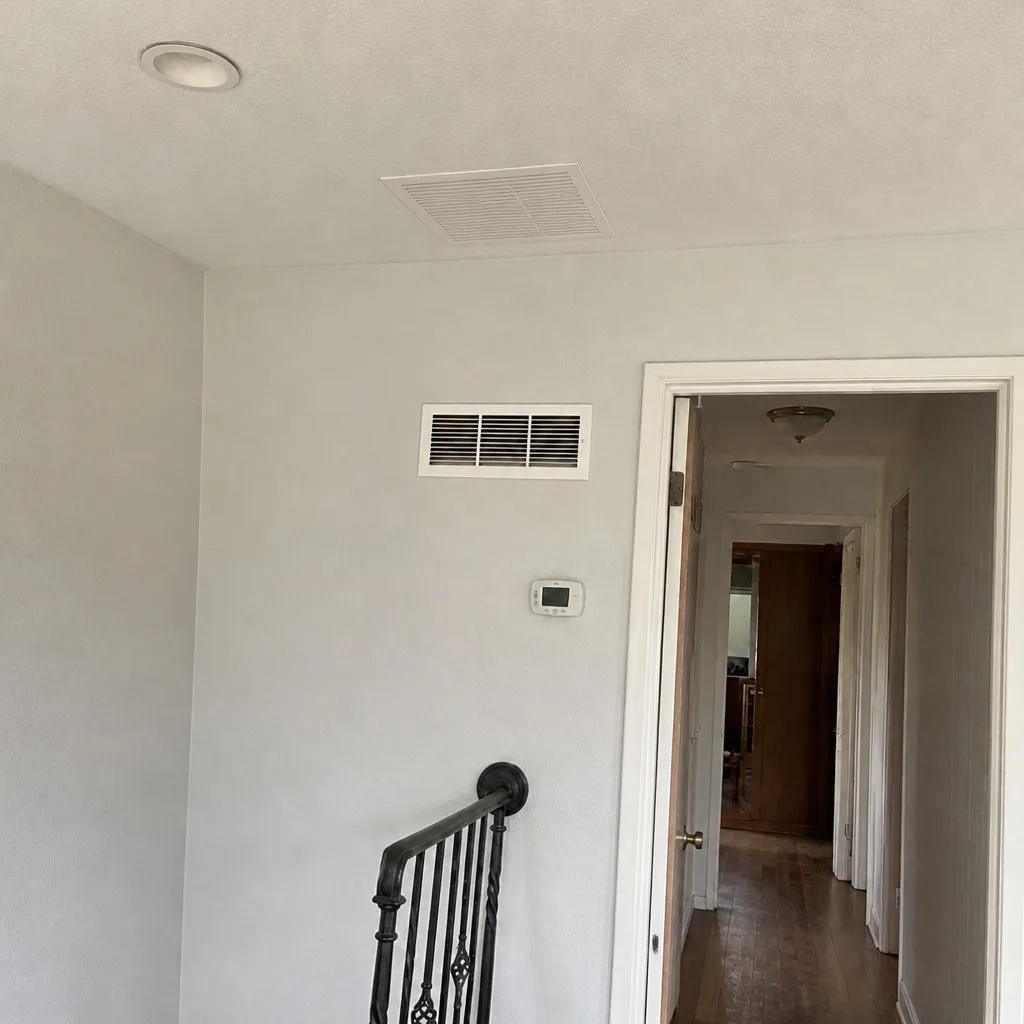 After
When to Call a Professional
Call a professional when you’re seeing something that suggests the air pathway isn’t working the way it should. Visible dust blowing from registers, persistent musty smells that return after cleaning rooms, a dryer that takes two cycles to dry a load, or condensation appearing where it shouldn’t. Call if you’ve moved into a West Seattle house with an HVAC system whose service history you don’t know, since an inherited system is exactly the case where a documented inspection tells you what you actually have. Call if you’re a landlord who has never had the ducts in a rental assessed, or if a tenant has reported indoor air complaints. And if a cleaning technician documents a disconnected duct or a compromised plenum, call an HVAC contractor about the mechanical work while you still have the cleaning report in hand. Air Duct Cleaning West Seattle offers free estimates in West Seattle. Call (877) 492-4032. We answer 24/7. Fast dispatch from 7am to 7pm, Sunday through Friday.
Frequently Asked Questions
No. Air duct cleaning is maintenance and doesn’t require a permit in West Seattle or anywhere in King County. A permit only becomes relevant if the cleaning reveals duct work that needs repair, replacement, or reconfiguration, which falls under the Washington State Mechanical Code and is handled by a licensed HVAC contractor through King County’s permitting process. Call (877) 492-4032 for an exact quote. Estimates are free.
Ask whether the work changes the system or restores it. Sealing a small joint is generally maintenance and doesn’t need a permit. Replacing a duct run, reconnecting a plenum that’s come loose at the air handler, adding, removing, or rerouting a run, or changing the connection at the air handler is mechanical work and may need a permit. The cleaning company should tell you which category a finding falls into before any repair work begins.
Cleaning of that component stops and the material is tested by a qualified professional. If it’s confirmed to contain asbestos, Washington requires a certified abatement contractor to remove it, following notification and work-practice rules, before any cleaning or repair of that section continues. A general duct cleaner can’t legally do the abatement. This comes up most in pre-1980 homes, and recognizing suspect material is the reason to hire a company that expects to find it.
No specific schedule is written into law. Washington’s landlord-tenant law does require rental housing to be maintained fit for habitation, and indoor air quality falls within that standard. If a tenant’s air quality is compromised by a duct condition, correcting that condition is the landlord’s responsibility. Written documentation from a professional inspection is the practical way to show the condition was assessed.
Before-and-after photos of your own ducts, a specific list of any conditions found with their location, the equipment used on the job, and a clear indication of which findings are sealable maintenance versus work requiring a licensed HVAC contractor. Request the report in writing before the job is scheduled, so there’s no ambiguity about what you’ll receive. Call (877) 492-4032 for an exact quote. Estimates are free.
Usually the equipment explains it. A low quote typically reflects a shop vac and a hose rather than a rotary brush extraction system with HEPA filtration, and the difference in what actually gets removed from your ducts is substantial. It can also mean the job stops at surface cleaning with no documentation, no sealing, and no report of conditions found. Compare what’s included, not just the number. Then call (877) 492-4032 for an exact quote. Estimates are free.
The Bottom Line
Air duct cleaning in West Seattle doesn’t require a permit. What requires a permit is duct repair, replacement, or reconfiguration, and that work belongs to a licensed HVAC contractor through King County. Seattle’s energy code shapes how duct sealing must be done when a permitted project involves it. Washington’s asbestos rules set a specific, non-negotiable pathway when pre-1980 insulation is suspect. And in every case, whether the cleaning finds a problem or not, you’re entitled to written documentation with photos of your own system. Understanding where cleaning ends and mechanical work begins is the line that keeps you out of unnecessary upsells and out of skipped permits.
We clean the full air pathway with professional-grade equipment and put what we find in writing. Call (877) 492-4032. We answer 24/7. Fast dispatch from 7am to 7pm, Sunday through Friday.
Ready to schedule? Start with Air Duct Cleaning West Seattle for a free estimate.
Written by the team at Air Duct Cleaning West Seattle.