
Last updated November 22, 2026
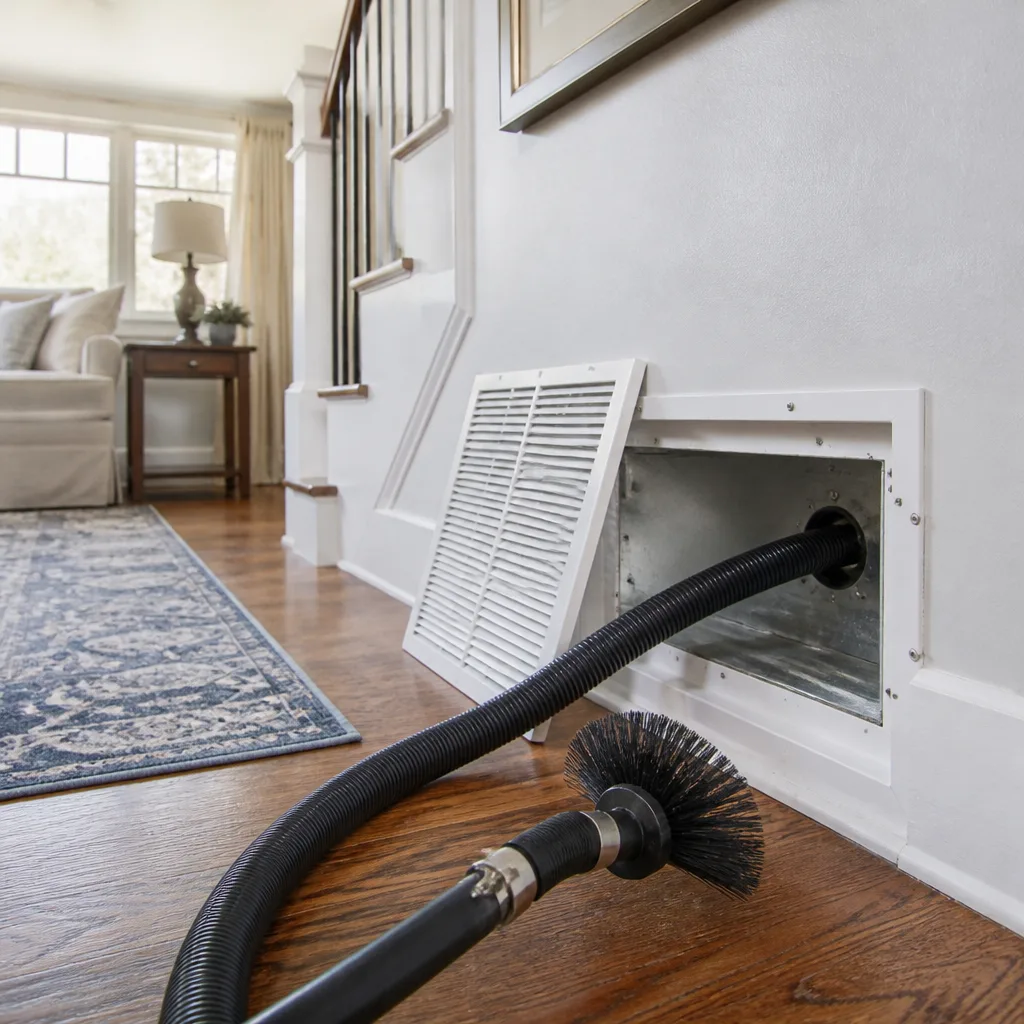 Whole-home duct cleaning
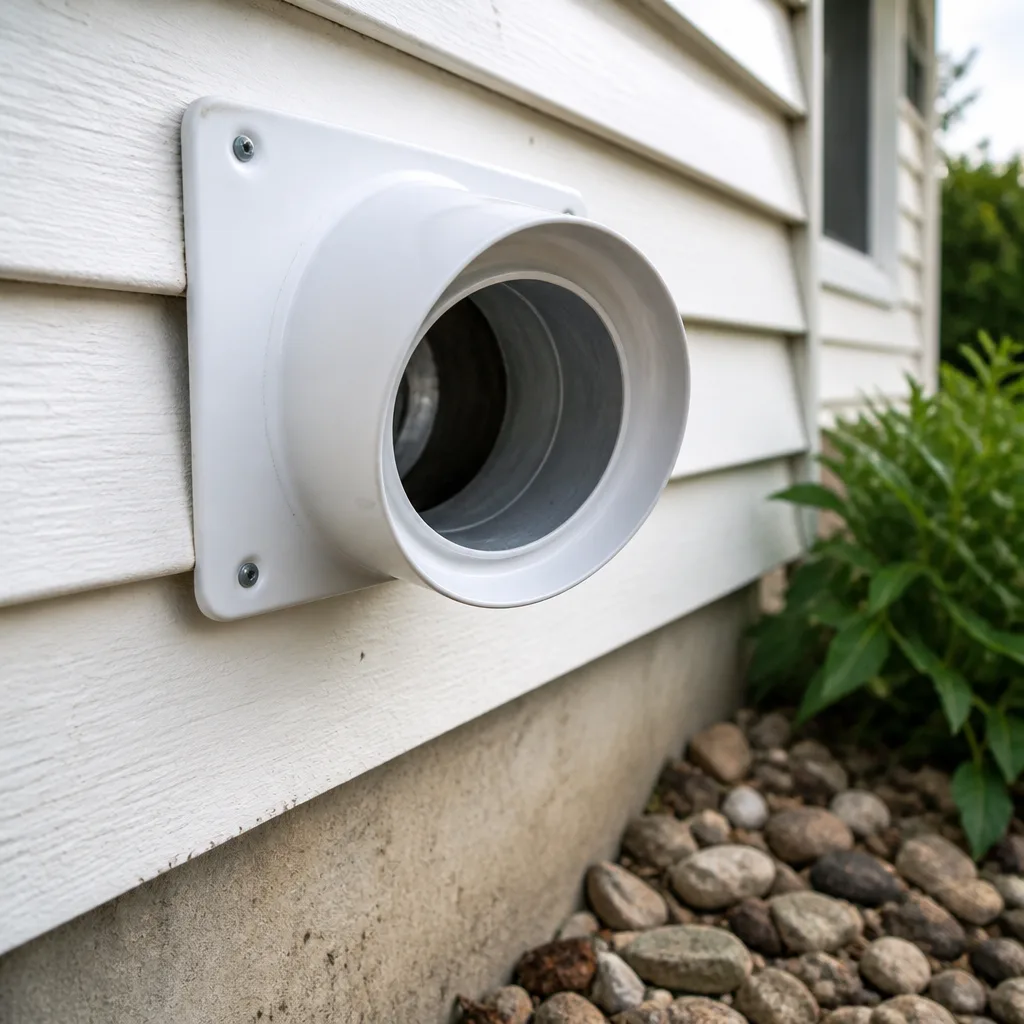 Dryer vent cleaning
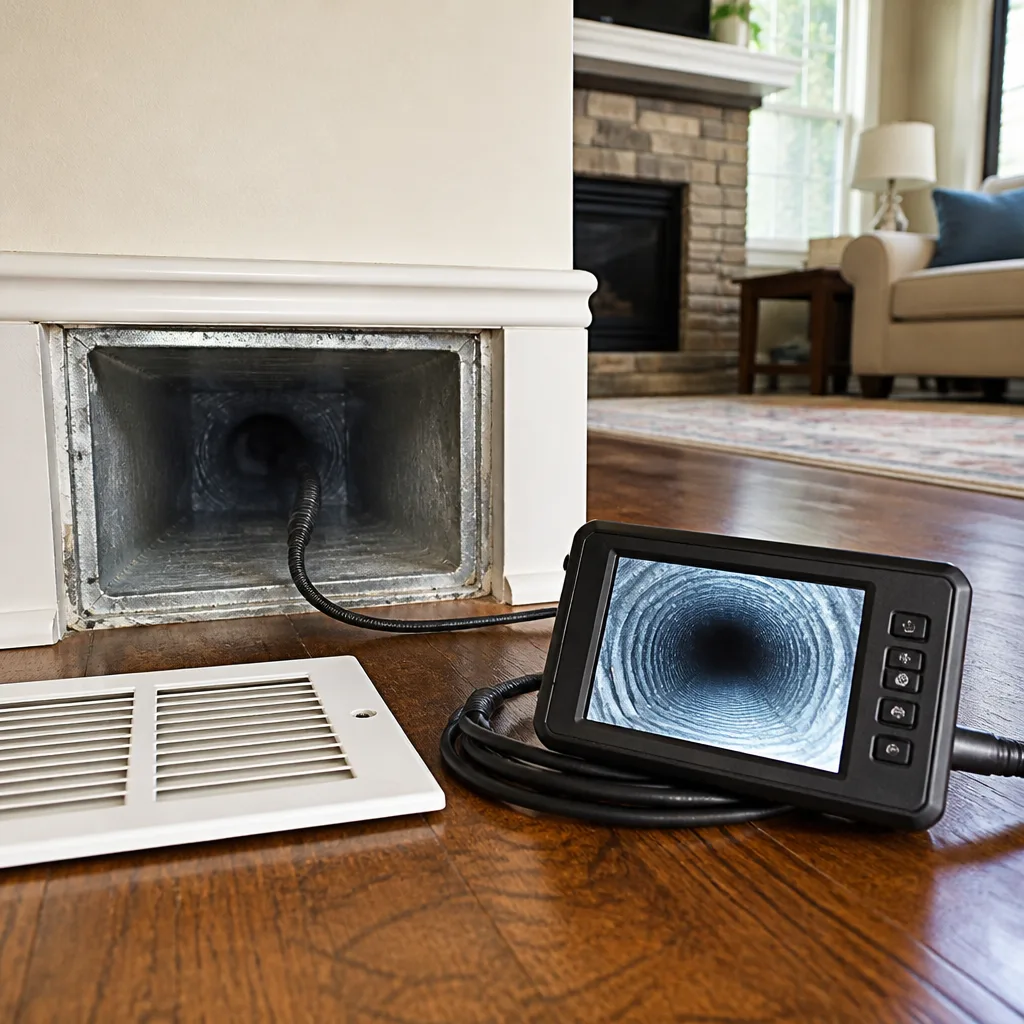 Camera inspection
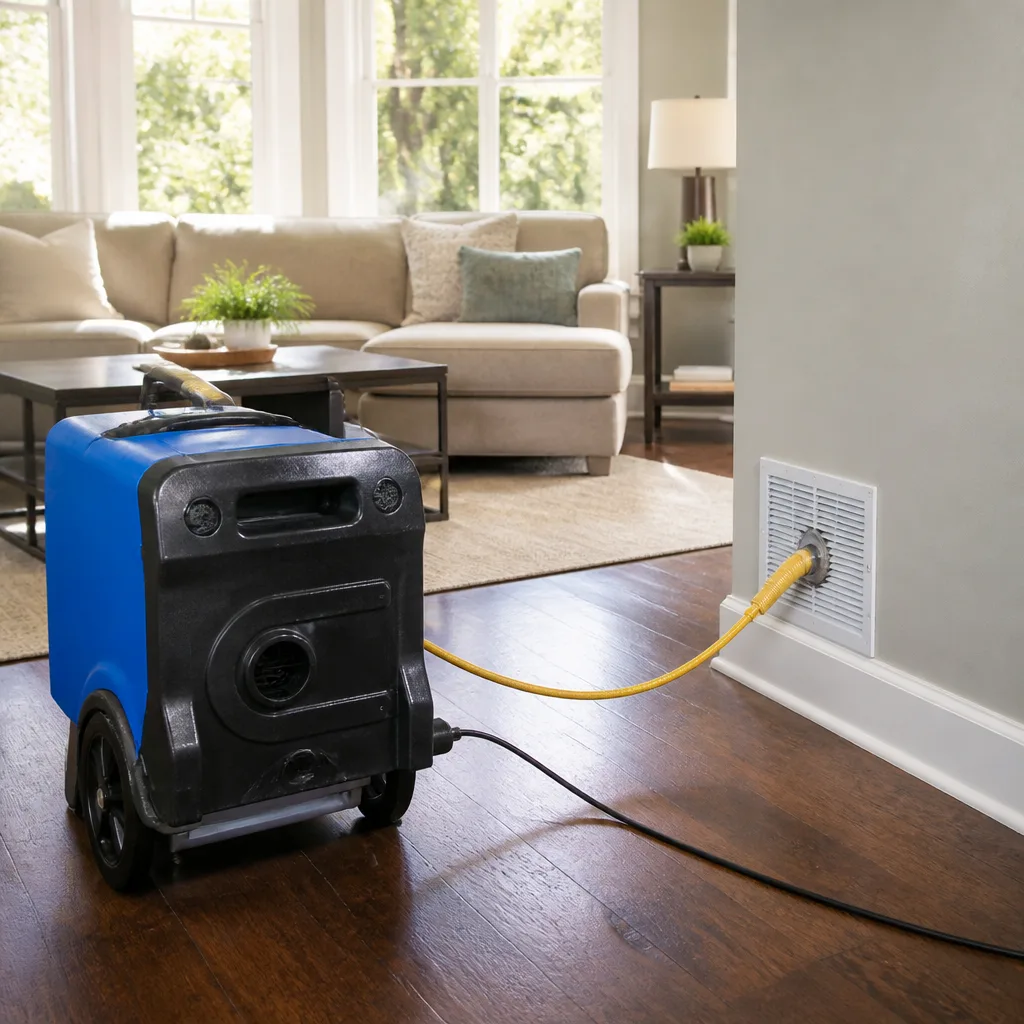 Sanitizing & deodorizing
Whole-system duct and dryer vent check with before-and-after photos - you see exactly what came out of your vents
That "$99 whole-house special" is a bait ad - the real number appears once they are in your hallway, or the "clean" is a shop-vac at the register. We photograph the inside of your ducts before and after instead.
How to Hire an Air Duct Cleaning Contractor in West Seattle: A Step-by-Step Guide
Any person with a van and a shop vac can legally call themselves an air duct cleaning contractor in Washington State. That’s the part most homeowners don’t know, and it’s why hiring here comes down to asking technical questions rather than checking a license box. West Seattle’s older housing stock, from the bungalows above the Junction to the mid-century splits near Fauntleroy, hides a lot of ductwork that hasn’t been looked at in decades. We’ve watched too many people book on price alone and end up with a wiped-down register and a vacuum cleaner hose. This guide gives you the exact questions, the answers that should reassure you, the answers that shouldn’t, and how to compare quotes without getting played.
Quick Answer
To hire an air duct cleaning contractor in West Seattle, confirm the equipment first (a rotary brush or contact vacuum on a HEPA-filtered negative-pressure rig, not a shop vac), ask whether they follow the NADCA ACR standard, and request a written post-service report before work starts. Any quote given over the phone without someone looking at your system is a guess, not an estimate. Good companies answer process questions plainly; weak ones pivot to price.
Styles & brands we work with
- Whole-home duct cleaning
- Dryer vent cleaning
- Camera inspection
- Sanitizing & deodorizing
Table of Contents
- Why Vetting in West Seattle Is Harder Than It Looks
- The Equipment Questions to Ask Before Booking
- Why NADCA Membership and the ACR Standard Matter
- Red Flags in Quotes and Phone Calls
- How to Compare Quotes Accurately
- What a Legitimate Post-Service Report Looks Like
- The Full Air Pathway: What a Real Job Covers
- When Cleaning Is Worth It and When It Isn’t
Why Vetting an Air Duct Cleaning Contractor in West Seattle Is Harder Than It Looks
Washington State doesn’t require a specific license to clean air ducts. A general business license, a truck, and a phone number are enough to open shop. That free entry is exactly why the tradesperson standard you’d apply to a plumber or electrician doesn’t translate cleanly here. You’re not verifying a license class; you’re verifying capability.
West Seattle adds a wrinkle or two. Many houses here are old enough to predate modern duct design. Forced-air systems were retrofitted into some homes, and others have original ductwork with more flex runs, odd junctions, and abandoned branches than a newer build would have. A cleaning crew that only knows how to drag a hose into the nearest register won’t reach those corners. Homes near the Admiral District and Alki have also seen their share of remodels, which often means duct systems that don’t match the floor plan anymore.
We’ve seen this from the inside. Our technicians have up to 8 years of experience, and the difference between a thorough job and a cheap one rarely comes down to effort. It comes down to equipment and scope. A crew with the wrong vacuum can spend all afternoon on a system and still leave the ducts no better than they found them.
So the vetting doesn’t hinge on whether the company is legal. It hinges on whether they can do the work. That’s a conversation about process, and it starts with the equipment.
The Equipment Questions to Ask Before Booking
This is the single most useful section of this guide. Ask these questions on the phone before anyone comes out. Legitimate contractors answer without hesitation; the weaker ones get vague or change the subject.
The three questions that matter most
- What type of vacuum system do you use? You want a rotary brush extraction system or a contact vacuum attached to a HEPA-filtered negative-pressure rig. In our case that’s Rotobrush for agitation and Nikro for HEPA-filtered particulate containment. If the answer is “a powerful shop vac,” thank them and hang up. A consumer vacuum doesn’t create the negative pressure needed to pull debris from the full length of a duct run, it just stirs up what’s already there.
- What’s the CFM rating on your vacuum? CFM (cubic feet per minute) measures how much air the vacuum moves. It’s a proxy for real suction, and real negative-pressure equipment moves a lot more air than anything bought at a hardware store. You don’t need a specific number to know the answer is right, but you should listen for whether they know their own equipment. Companies that can’t answer probably don’t.
- Do you use negative pressure or contact vacuum cleaning? These are the two standard methods. Negative pressure holds the whole duct system under vacuum during cleaning so dislodged debris goes into the machine instead of into your living room. Contact vacuuming puts the tool directly against the duct surface. Professional setups often combine both. If the answer is a blank pause, that tells you something.
Follow-up questions worth asking
- Do you remove and reinstall the supply and return registers, or clean around them?
- Do you clean the air handler and coil, or only the duct runs?
- What happens if you find disconnected or crushed ductwork mid-job?
- Do you own the equipment or rent it for each job? Ownership usually signals a serious operator.
When you have those answers in hand, comparing companies becomes a technical exercise rather than a price exercise. For more on what a proper job looks like when all of that comes together, see our guide to air duct cleaning in this area, which walks through the full scope of the service step by step.
Why NADCA Membership and the ACR Standard Matter More Than a Generic Business License
The National Air Duct Cleaners Association (NADCA) is the trade body for this industry, and its ACR standard (the Assessment, Cleaning, and Restoration standard) is the document most reputable contractors work from. It lays out how a system should be assessed before cleaning, how it should be cleaned, and how it should be verified afterward. It’s not a legal requirement in Washington, which is exactly why it’s useful as a filter: companies that follow it have made a voluntary commitment to a documented process.
Why does that matter in West Seattle? Because a lot of homes here have systems that need a real assessment before anyone knows what the job actually is. An ACR-compliant contractor starts by inspecting and documenting the ducts rather than quoting a flat price over the phone. That’s the difference between a contractor who shows up knowing what they’re doing and one who improvises once they’re inside your wall.
A business license tells you nothing about whether the technician understands pressure, filtration, or the debris categories that come out of an old duct system. NADCA membership tells you they’ve entered a professional community with standards and training behind it. Neither is a guarantee, but one filters out a lot more of the field.
Ask directly: “Are you a NADCA member, and do you follow the ACR standard?” If the answer is yes, ask how they handle the post-cleaning verification that the standard requires. That second question separates the companies that joined for the sticker from the ones that actually follow through.
Red Flags in Quotes and Phone Calls
The most expensive duct cleaning job in West Seattle is the one with the lowest bid. Not because low bids are always bad, but because a suspiciously low bid usually means the scope was cut somewhere you can’t see.
The specific red flags to watch
- A flat whole-house price with no home assessment. If they quote a price on the phone based only on square footage or number of bedrooms, they haven’t seen your system. Ductwork in an older West Seattle home can be significantly harder than a newer build with the same footprint. A price without an assessment is a guess dressed up as a quote.
- Antimicrobial upsell pressure on the first call. Sanitizing has a place, but it’s not the first thing you should hear about. A company whose opening pitch is a chemical treatment is selling a product, not assessing a system. Legitimate contractors will inspect, explain what they find, and recommend sanitizing when the specific condition calls for it, not when the calendar says so.
- Vague answers about process. “We clean everything” and “you won’t believe the stuff we pull out” aren’t process answers. You want details about the vacuum, the brush, the register count, and the report.
- A price that assumes the ducts are accessible. Some are, some aren’t. A contractor who doesn’t mention accessibility is either inexperienced or planning to charge you extra once they’re inside.
- No mention of a post-service report. If the company doesn’t produce documentation, ask why. A before-and-after record is standard practice for serious operators.
- No interest in HVAC equipment. A contractor who only cleans ducts and never asks about the furnace or coil is missing half the picture, because contamination travels across the whole air pathway, not just the runs.
We’ve heard a lot of these quotes read back to us over the years. The pattern is consistent: the cheaper the quote, the less specific the description of what’s included.
How to Compare Quotes Accurately
A lower price rarely means the same job for less. It usually means fewer registers cleaned, a weaker vacuum, or a shorter time on site. Before you compare two numbers, line up what each one actually covers.
What to line up side by side
- Number of registers and returns cleaned. A job that covers 12 registers is different from one that covers 6. Ask for the count in writing.
- Equipment used. Confirm the vacuum type and whether it’s HEPA-filtered. Ask whether it runs on its own power or your wall outlet (portable consumer machines often can’t sustain real negative pressure).
- Scope of the air pathway. Are returns included? Is the air handler cleaned? Are dryer vents part of the job or separate? A quote that excludes these may look low until you add them up.
- Accessibility assumptions. Are there known barriers (finished basements, inaccessible flex runs) that either quote has priced in? Unpriced assumptions become change-order costs.
- Post-service report. Is one included, and does it have actual photos of your ducts?
- Repair and sealing. Disconnected or leaking ducts are common in older homes. If a quote doesn’t include duct repair and sealing as part of the same visit, ask whether that work is offered at all or referred to someone else.
Once those categories line up, you’ll often find the cheaper quote is only cheaper because it covers less. That’s not a bad deal necessarily; it’s just a different job. You’re allowed to pick it. You just shouldn’t confuse it with the same thing.
Keep in mind that pricing should be set by a written estimate after someone has looked at your system. If either quote arrived without an inspection, neither is really a quote yet.
What a Legitimate Post-Service Report Looks Like
Ask for the report format before work begins. If they don’t have one, that’s the answer. A serious contractor walks you through what the finished document will contain, and that commitment happens before the first register comes off.
What the report should include
- Before-and-after photos of the duct interiors and the registers, labeled by location. Photos taken mid-scope, not staged afterward.
- System inventory listing the supplies, returns, and equipment cleaned, so you can confirm the count you were quoted matches the count you received.
- Findings and recommendations documenting anything unusual: disconnected runs, heavy debris in one area, gaps around registers, or signs the system needs service beyond cleaning.
- Scope confirmation stating which services were performed and which were declined, so there’s no ambiguity about what did and didn’t happen.
- Any repair and sealing notes if duct breaches were found and addressed as part of the visit.
In our experience, the report does more than document the job. It tells you what to watch for in the next year or two: which duct runs looked more worn, whether the coil should be rechecked, whether the dryer vent needs attention sooner than you’d think. A report with real photos is also the difference between a company that can prove its work and one that just asks you to trust it.
The Full Air Pathway: What a Complete Job Actually Covers
Most companies in this trade clean ducts and stop. A complete job covers the whole air pathway, and the difference matters because contamination doesn’t respect the boundary lines on an invoice.
Supply ducts carry air from the furnace into each room. Return ducts pull air back. The air handler and coil sit between them. Dryer vents pull moisture and lint out of the laundry area, but they’re a separate path with their own fire concern. Sealing and repair keep the whole system tight so what you clean stays clean longer. That’s a different service menu than a client of a clean-only shop gets.
What to expect from each piece
- Supply and return cleaning. The core job: negative pressure, rotary agitation, HEPA-filtered collection. Both directions of the loop, not just supply.
- HVAC cleaning. Coils and the blower housing accumulate dust and sometimes worse. Cleaning them improves airflow and stops them from re-contaminating clean ducts. We cover this separately in our hvac cleaning guide.
- Dryer vent cleaning. A separate service with its own safety angle, since lint buildup is a fire concern. There’s a dedicated dryer vent cleaning resource if you want the full picture.
- Duct repair and sealing. Sealing what we find as part of the visit means no referral to a second contractor. Duct breaches, sagging runs, and disconnected joints get addressed on the spot.
- Post-clean sanitizing and air quality hardware. When a system needs it, sanitizing and installing filtration from brands like Honeywell or Aprilaire extends the results of the cleaning. Abatement Technologies equipment is part of our toolkit for elevated contamination situations.
Ask any contractor whether they clean both supply and return. If the answer is “supply only,” you’re missing half the system. Ask if they handle repair on the same visit. If they refer it out, the next contractor has to evaluate your ductwork independently, and that second assessment may reverse or change the cleaning decisions. One crew, every step, is the cleanest way to get the job done.
When Cleaning Is Worth It and When It Isn’t
Not every home needs duct cleaning. If you have a newer system, no signs of contamination, and no health triggers, annual cleaning is overkill. A professional will tell you that.
Signs it’s time to schedule
- Visible debris at the registers or a puff of dust when the system kicks on.
- Musty or stale smells when the heat or AC comes on, which often points to microbial growth somewhere in the system.
- Recent remodeling that generated drywall dust or sawdust. Renovation debris finds its way into ductwork easily.
- New to the house and no idea when the ducts were last cleaned. In older West Seattle homes, this is common enough that it’s worth a proper inspection.
- Allergy or asthma concerns where you want to reduce what’s circulating in the air.
- A recent pest finding in the ductwork. Rodents and insects leave behind contamination that a surface wipe won’t touch.
- Uneven airflow or a system that seems to work harder than it should, which can point to leaks or blockages.
During the warm, dry summer months West Seattle homes tend to collect fine dust and outdoor particulate on the return side, while winter heating season pushes it through the whole system. Homes with pets or anyone with a respiratory condition are especially likely to notice. When those conditions stack up, cleaning earns its cost. When they don’t, you’re better off spending the money on a proper filtration setup. See our full overview of Air Duct Cleaning West Seattle if you want the broader picture of the service.
Common Mistakes to Avoid
- Booking on price alone. The lowest quote in West Seattle is usually low because something isn’t included. Compare scope first, price second.
- Not asking about equipment. If you don’t know what vacuum is coming into your house, you can’t know what job you’re getting. Ask about the CFM and the pressure method before you book.
- Accepting a phone quote without inspection. No one can price a job accurately without seeing the system. Ask them to inspect first, then quote in writing.
- Letting a stranger onto your property without vetting. Check for a business presence, ask for references, and confirm they’ve done work in the area. A truck with a magnetic sign proves nothing.
- Skipping the post-service report. Without photos and documentation, you have no way to know the work happened as promised. Ask before the job starts.
- Cleaning ducts but never sealing them. Leaky or disconnected ducts will refill with dust quickly, and the cleaning was wasted. Look for contractors who offer repair and sealing in-house.
- Ignoring the air handler. Cleaning ducts and leaving a dust-covered coil in place is like washing a floor and stepping back through the mud. The HVAC equipment needs attention in the same visit.
- Not asking about sanitizing specifically. Sanitizing is useful when there’s a reason for it, but a blanket upsell on every job is a red flag. Ask what condition in your system would justify it.
Most of these come down to one thing: asking questions before signing. Contractors who answer them well are usually the ones you can trust with your system.
See the difference
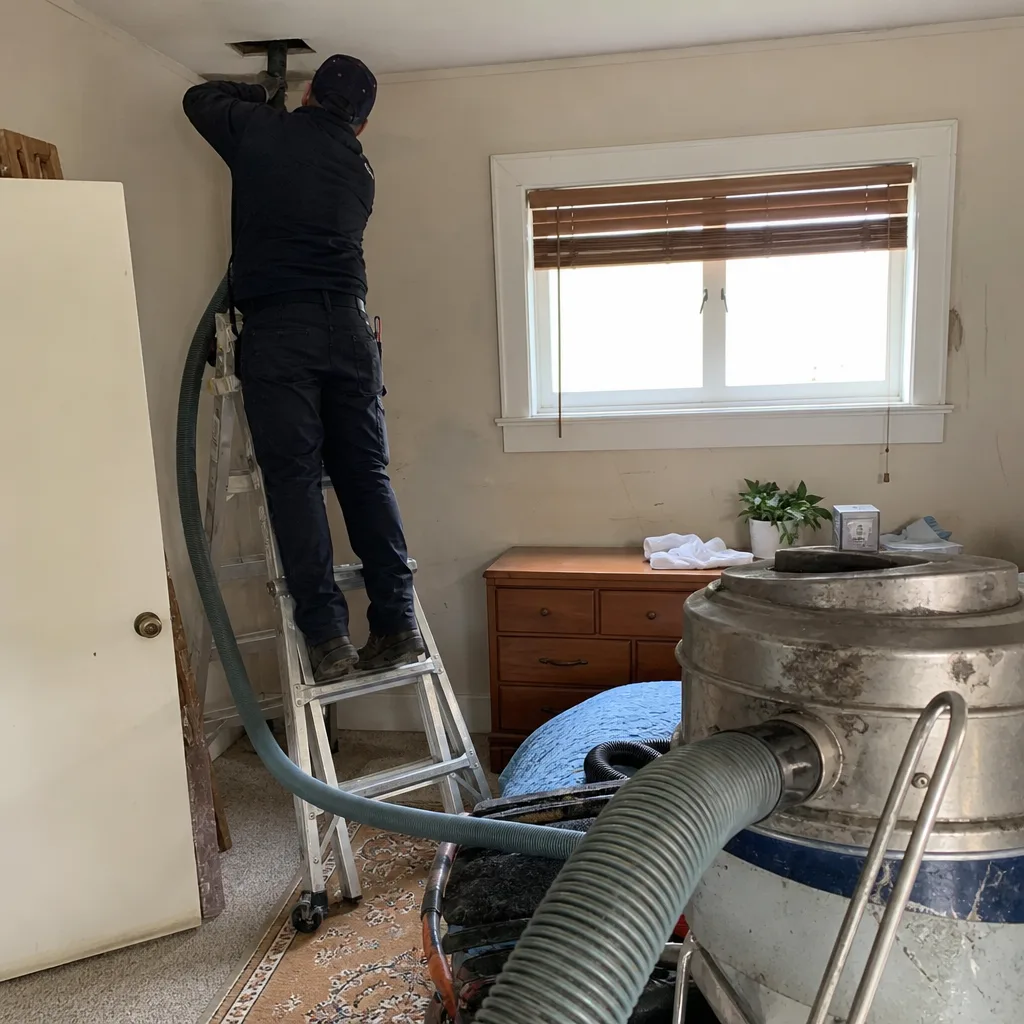 Before
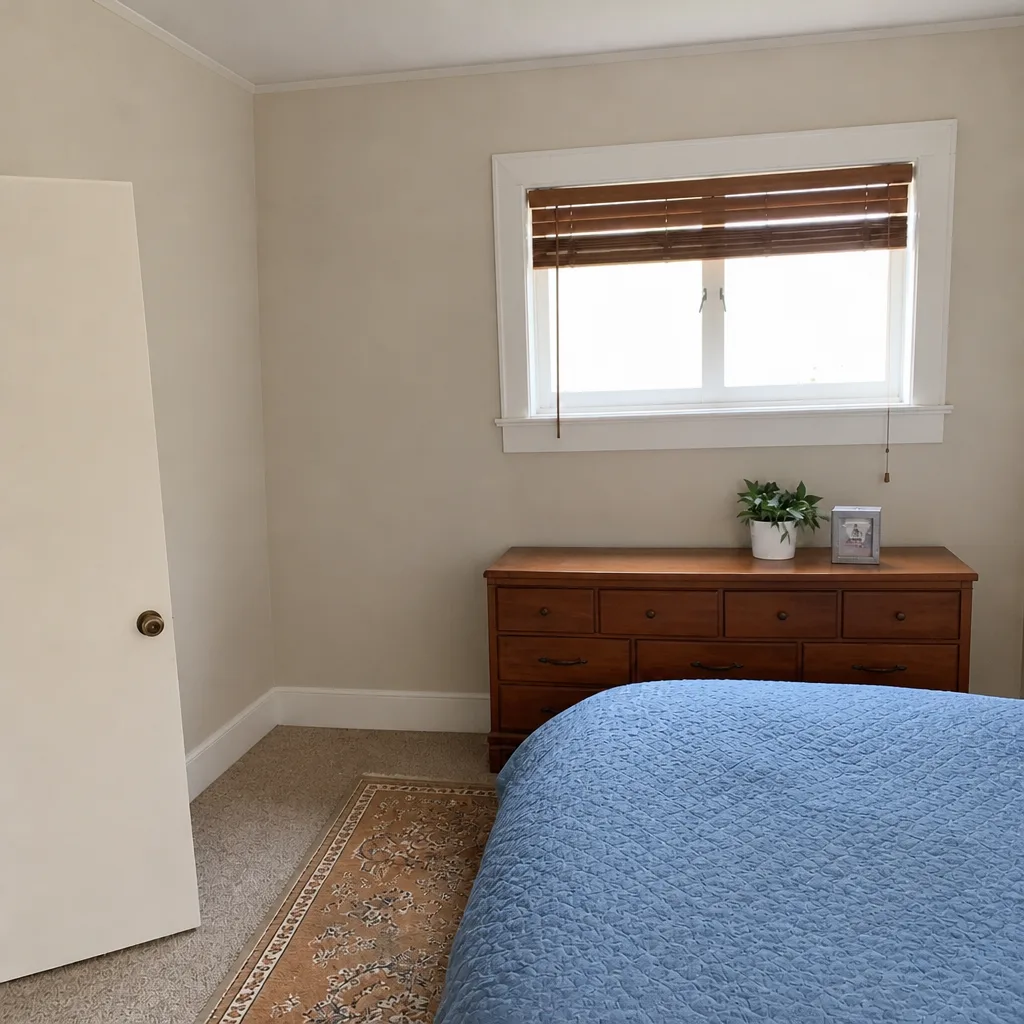 After
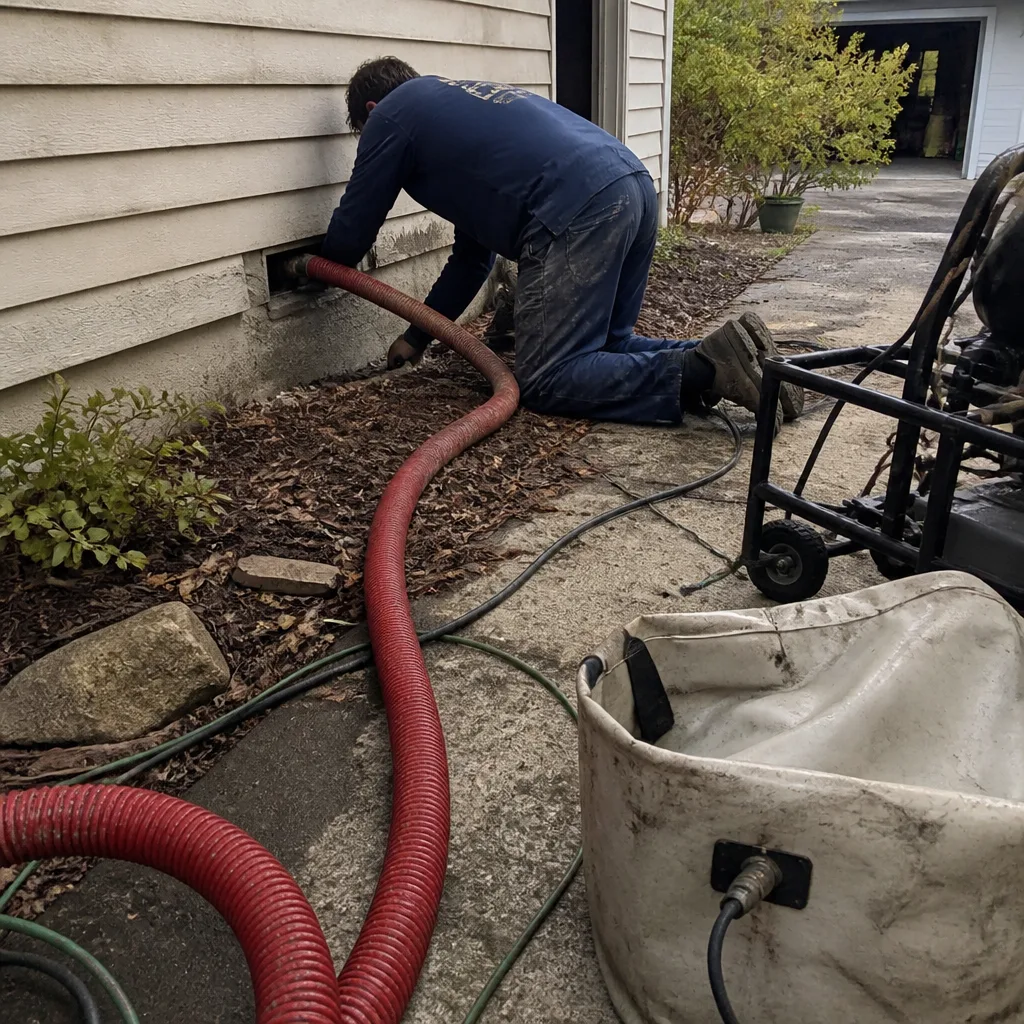 Before
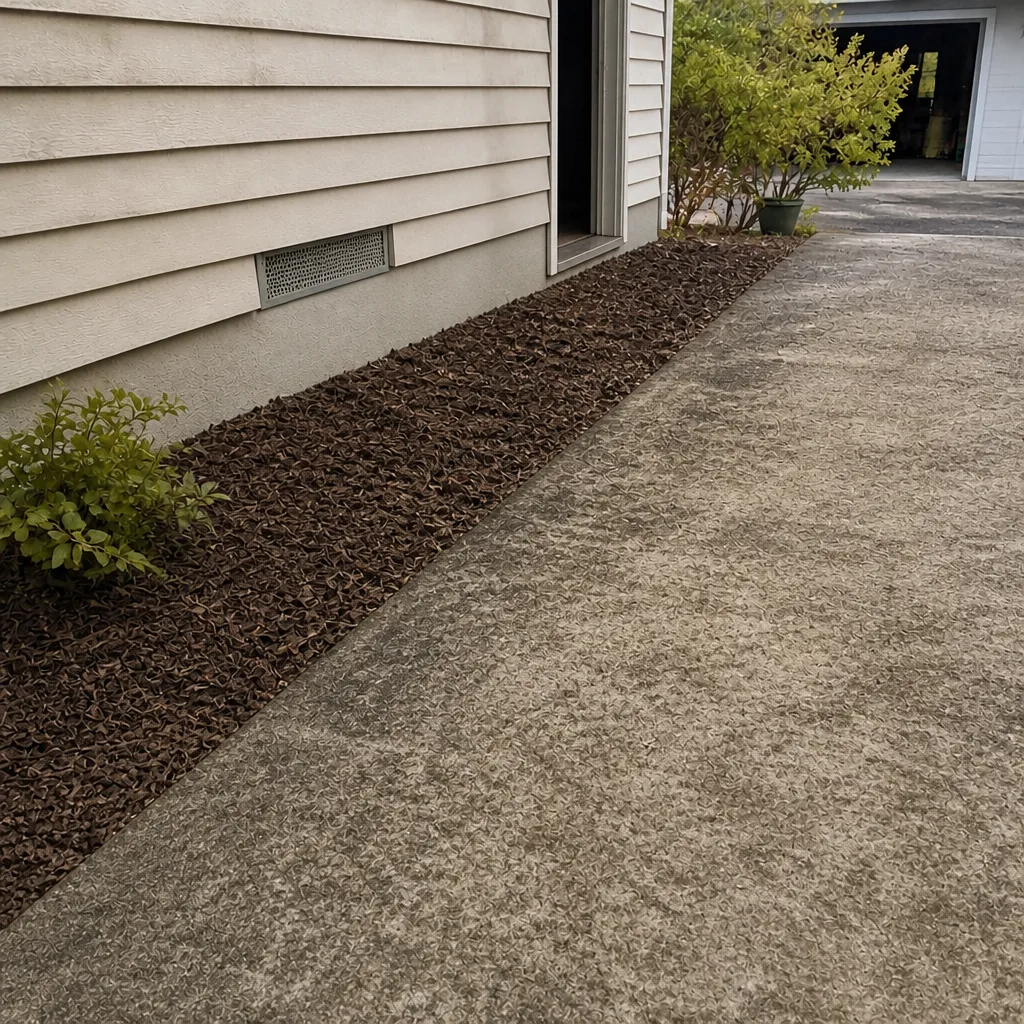 After
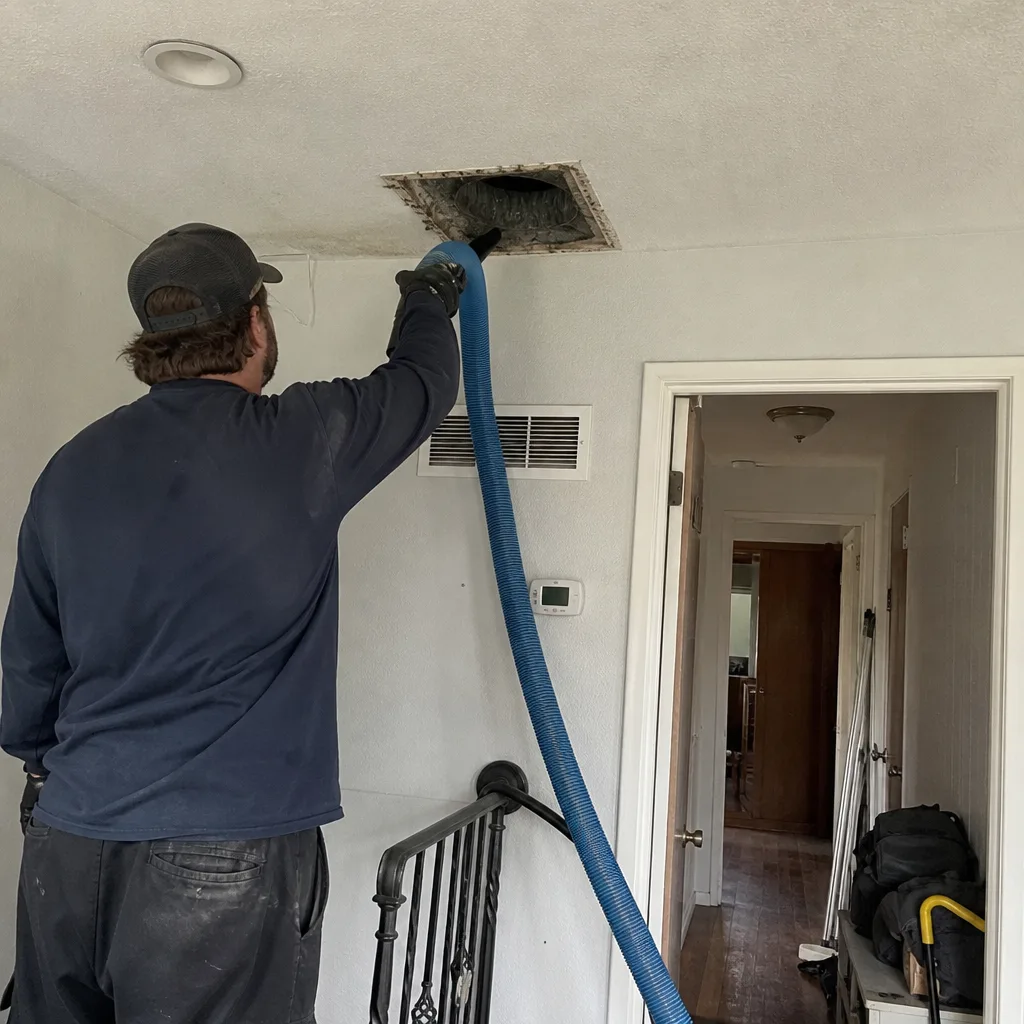 Before
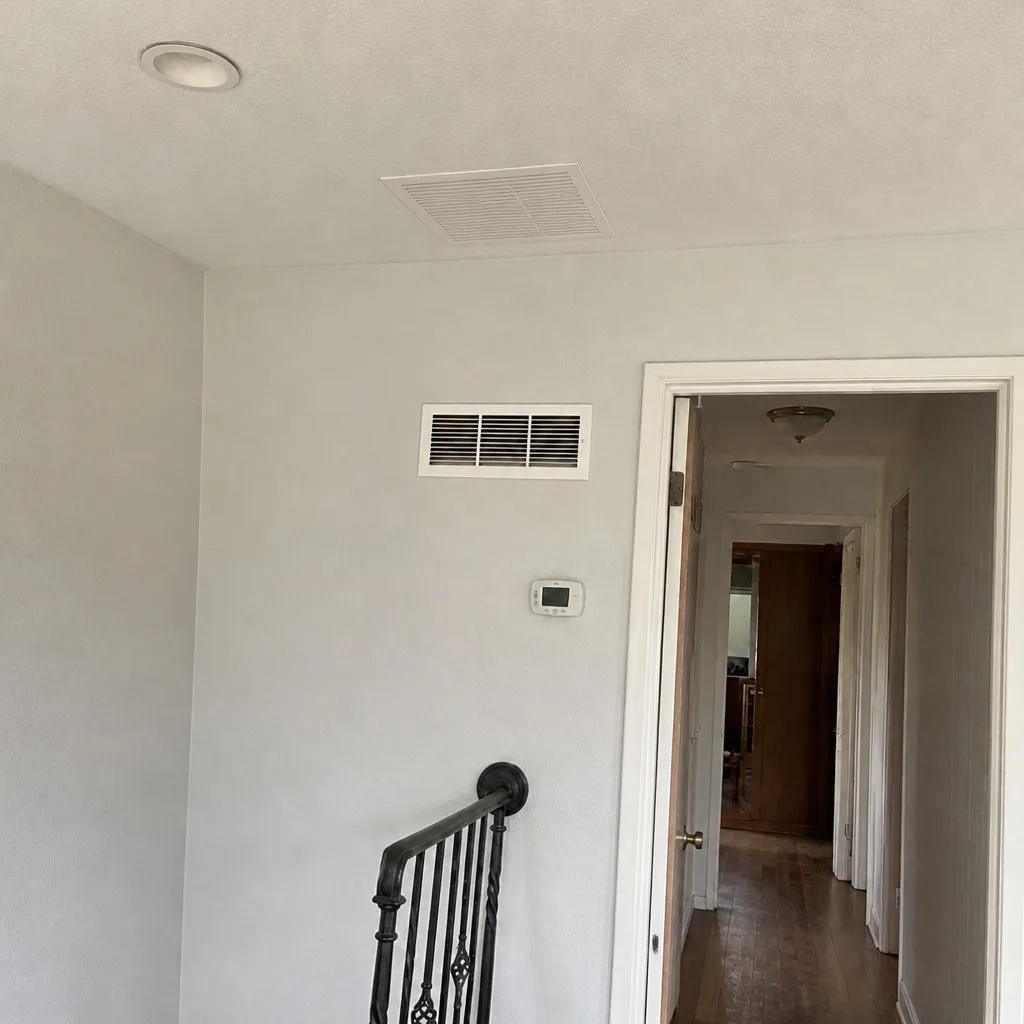 After
When to Call a Professional
Call a professional when the signs above have stacked up: visible debris, a strange smell when the system runs, recent renovation, or a system you don’t have a history for. Also call if you notice uneven airflow, a dryer that seems to take forever to dry a load, or any sign that ducts may have come loose from their joints. Duct work is not a do-it-yourself task in most cases, because the cleanup is the hard part, not the removal. Proper equipment matters more than effort.
Air Duct Cleaning West Seattle offers free estimates in West Seattle. Call (877) 492-4032. We answer 24/7. Fast dispatch from 7am to 7pm, Sunday through Friday. We work with professional equipment throughout, from Rotobrush rotary brush extraction to Nikro HEPA-filtered vacuum systems, and we cover the whole air pathway so you don’t need a second company for sealing or repair.
Frequently Asked Questions
Air duct cleaning in West Seattle typically costs more than the coupon rates you see because a real job covers the full system. Whole-system pricing depends on the number of registers, the size of the duct run, whether the air handler and coil need cleaning, and whether repair and sealing are needed. You should always receive a written estimate after an inspection, and the price on that estimate is the price you pay. Call (877) 492-4032 for an exact quote: estimates are free.
No. Washington State doesn’t have a specific licensing class for air duct cleaning, so a general business license only proves someone registered the business. Ask about equipment (vacuum type, CFM, negative pressure), NADCA membership, and adherence to the ACR standard. Those tell you whether the company is genuinely equipped to do the job, not just legally allowed to show up. When in doubt, ask to see a post-service report example before booking.
It means the contractor works from the Assessment, Cleaning, and Restoration standard, which sets out how a system should be inspected and documented before cleaning, how it should be cleaned, and how the results should be verified afterward. It’s voluntary in Washington, which is why it’s useful as a filter. Companies that follow it tend to quote after inspection rather than over the phone. Call (877) 492-4032 to schedule a free estimate.
Lower quotes usually mean fewer registers cleaned, a weaker vacuum, or a shorter time on site. A quote that isn’t based on an inspection is a guess, not a real price. If you line up two quotes side by side and one covers half the scope, the difference in price makes sense. Line up registers, equipment, and whether returns and the air handler are included before deciding. Call (877) 492-4032 for a quote that spells all of that out.
A proper post-service report includes before-and-after photos of the ducts, a system inventory confirming what was cleaned, any findings or recommendations, and notes on repair or sealing work if it was done. Ask for an example of the report format before booking. If a contractor can’t show you what theirs looks like, that’s a sign the job may not be documented at all.
For most homes, it’s not an annual job. Every few years is typical, and sometimes longer, unless there have been renovations, a pest issue, a move into a home with unknown duct history, or a household member with respiratory concerns. In West Seattle’s older homes, an initial cleaning and assessment is often the right call because the system history isn’t known. Call (877) 492-4032 for a free estimate and they’ll tell you whether it’s actually needed.
The Bottom Line
Hiring a duct cleaning contractor in West Seattle comes down to questions, not coupons. Ask about the vacuum, the CFM, and the pressure method. Ask about NADCA membership and the ACR standard. Ask what the post-service report looks like and request it before work begins. Compare quotes on scope, not price. And watch for the red flags: flat phone quotes, antimicrobial upsells on the first call, vague process answers. The companies that can answer all of that cleanly are the ones worth booking. The ones that can’t are doing you a favor by revealing themselves early.
If you want a contractor who works with professional-grade equipment from Rotobrush and Nikro, covers the full air pathway from supply and return through the air handler, and offers repair and sealing in-house, we’re here. Call (877) 492-4032 for a free estimate. We answer 24/7. Fast dispatch from 7am to 7pm, Sunday through Friday.
Written by the team at Air Duct Cleaning West Seattle.