
Last updated November 22, 2026
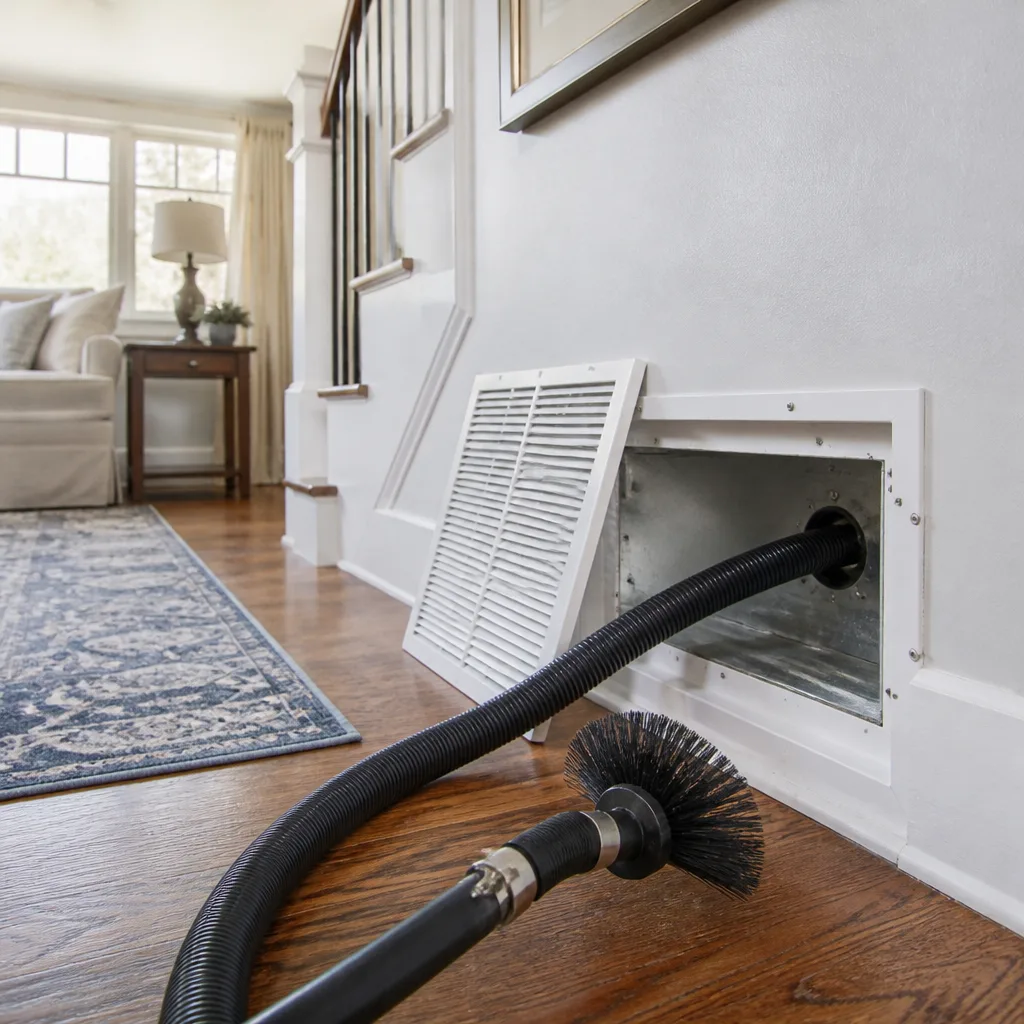 Whole-home duct cleaning
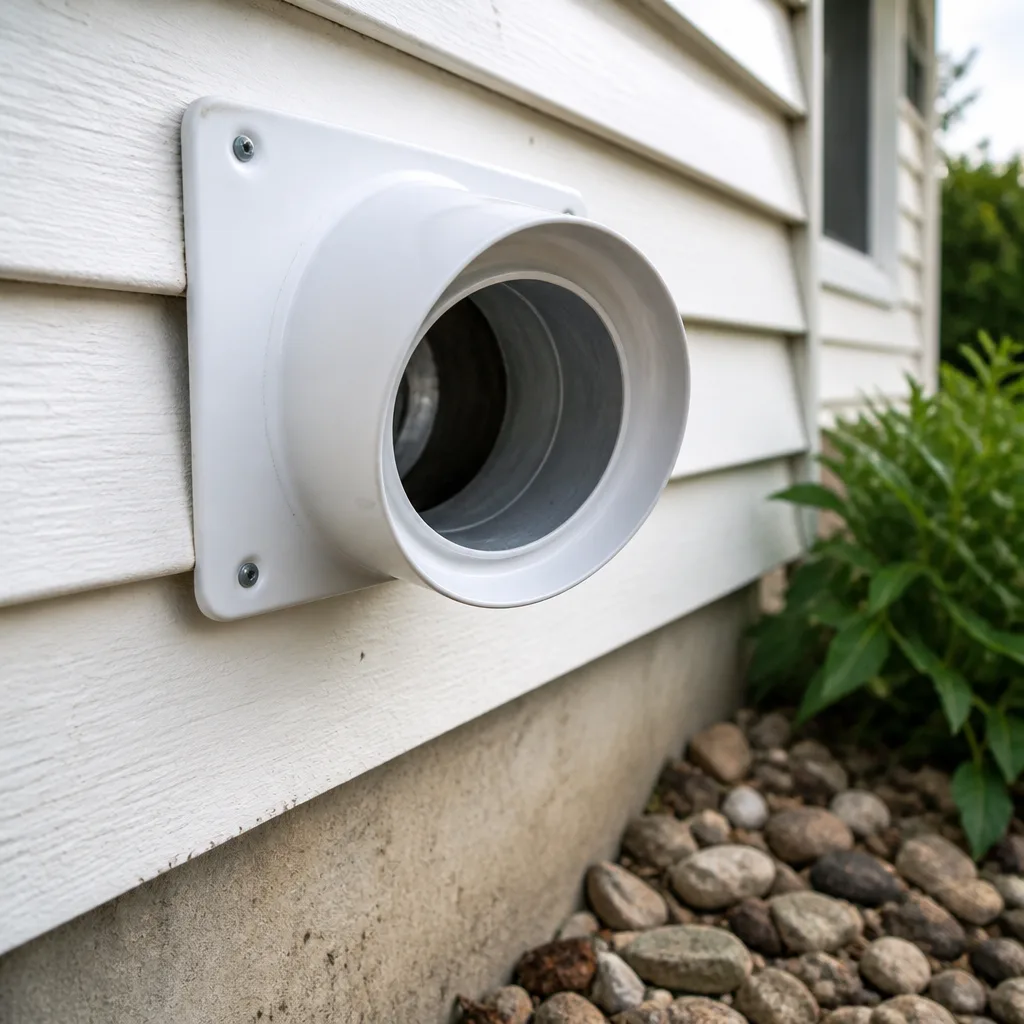 Dryer vent cleaning
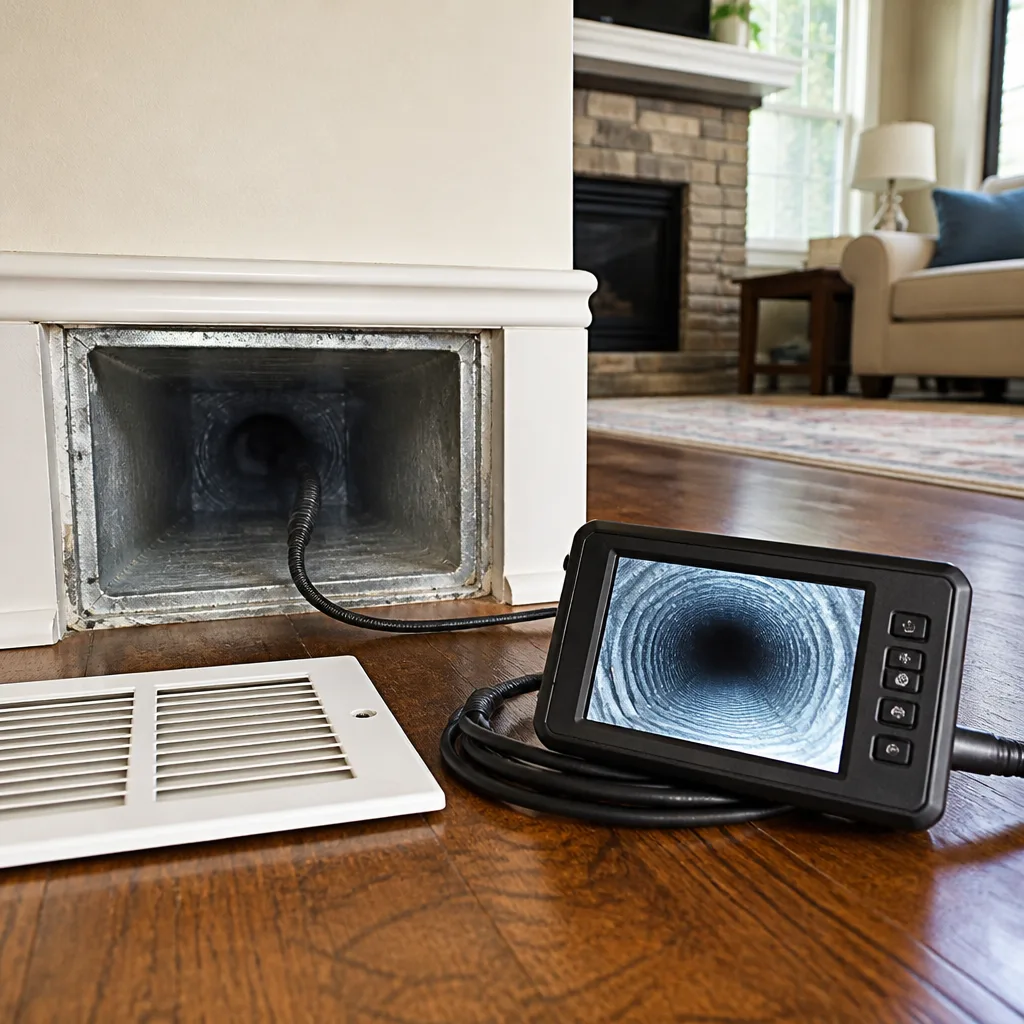 Camera inspection
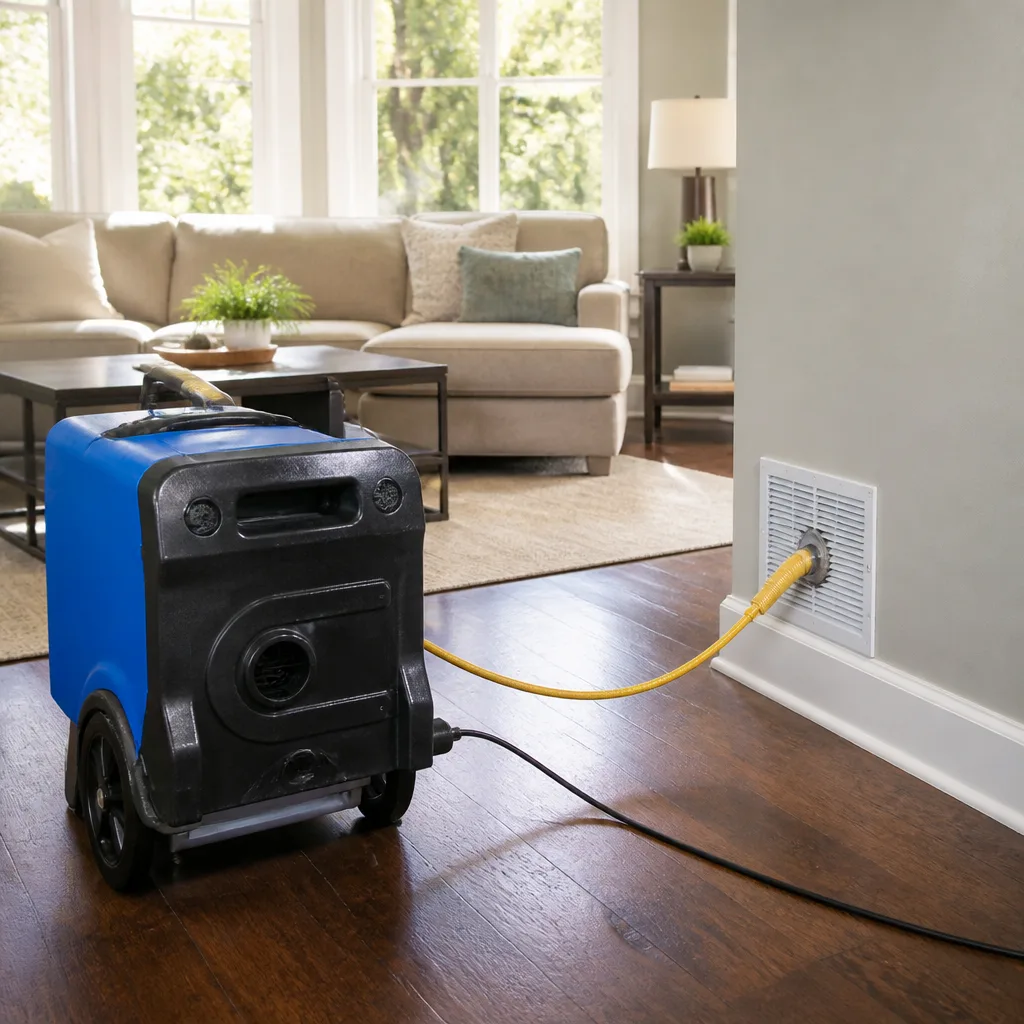 Sanitizing & deodorizing
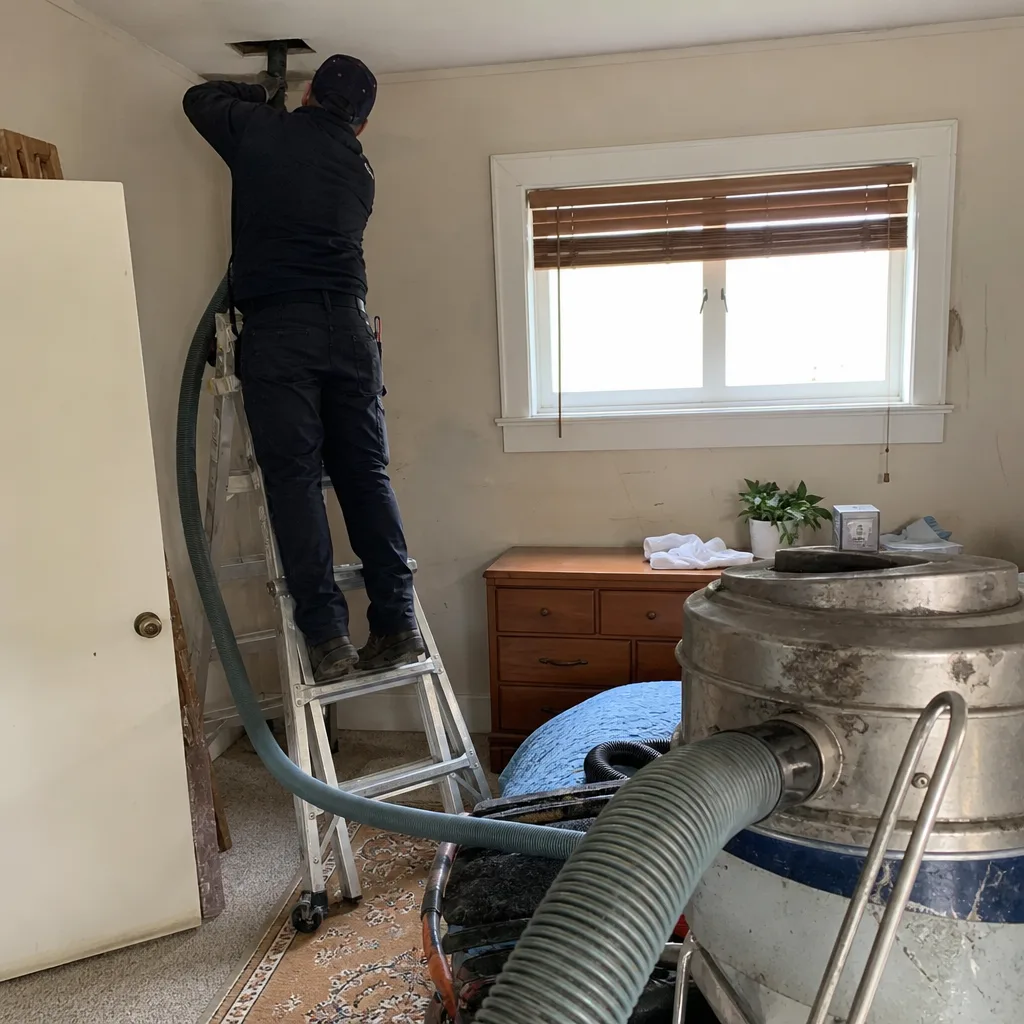
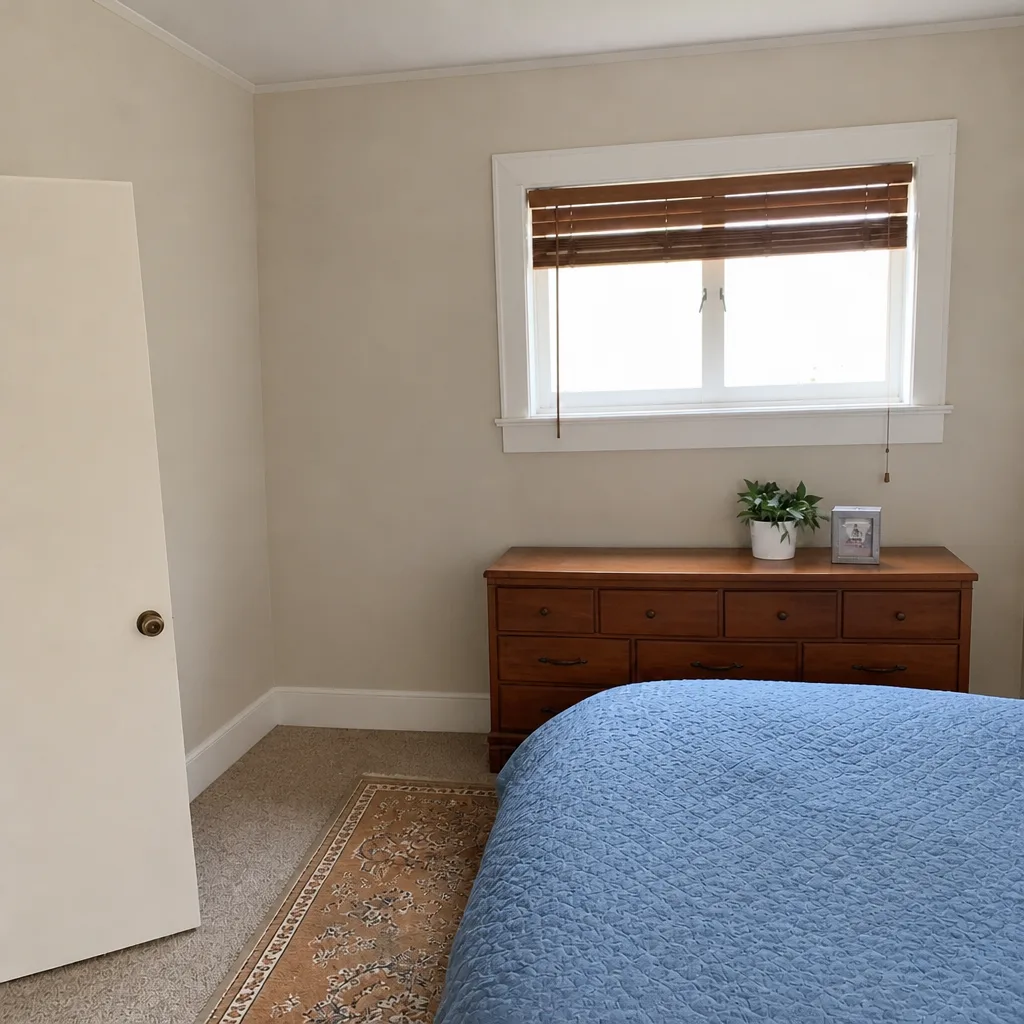
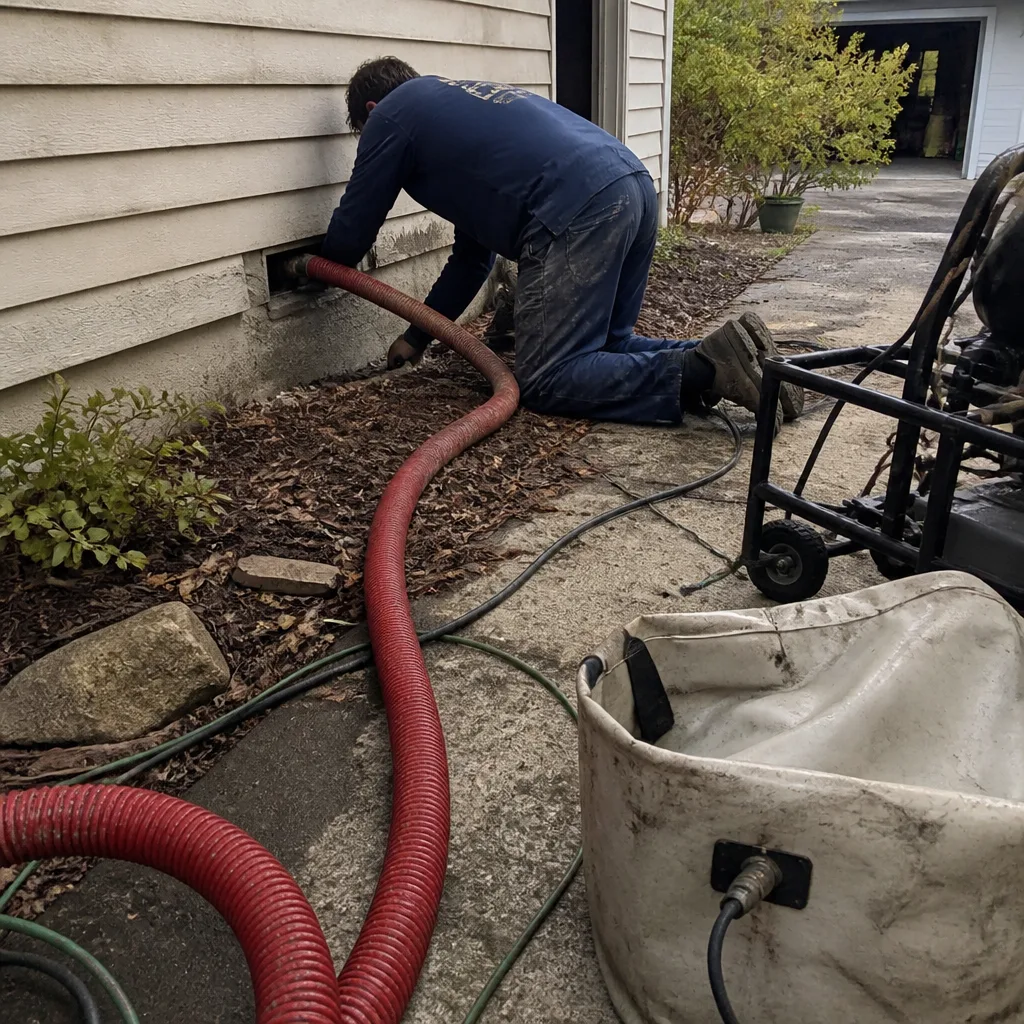
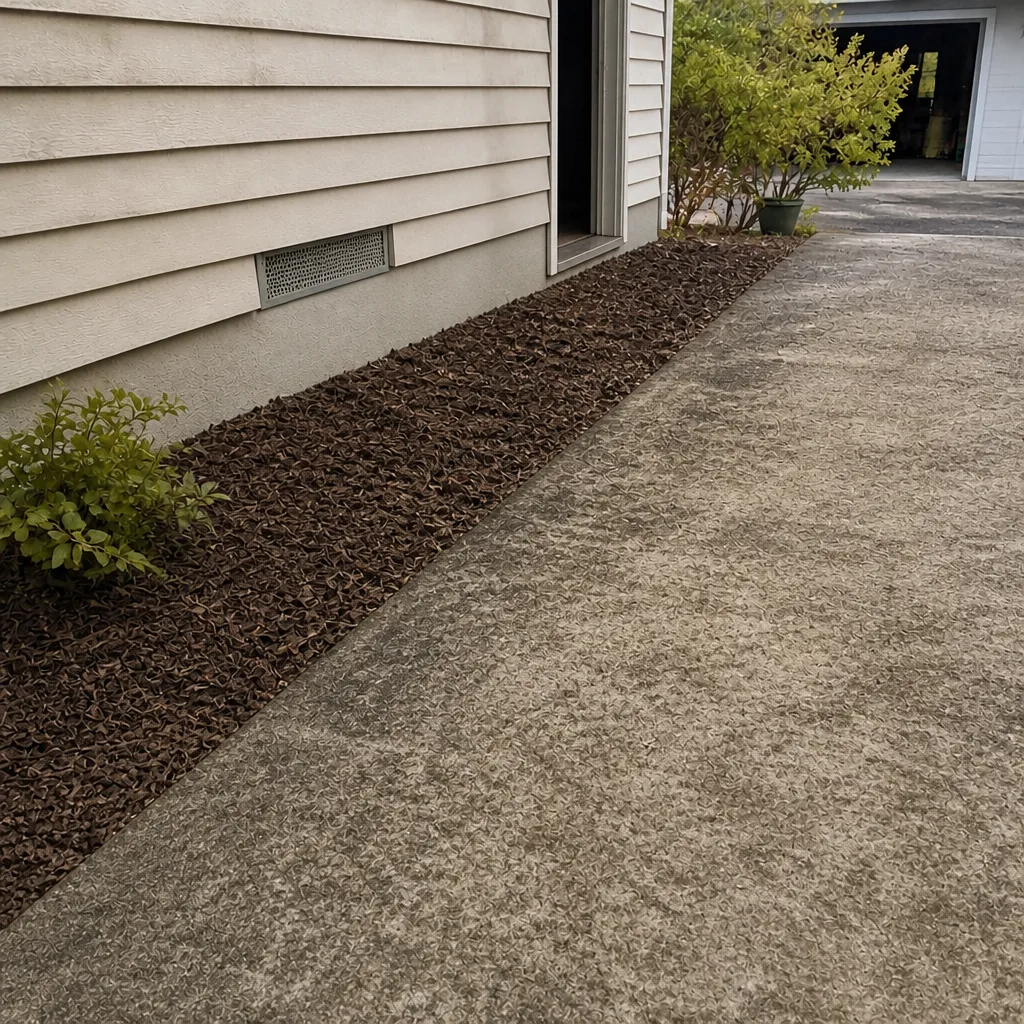
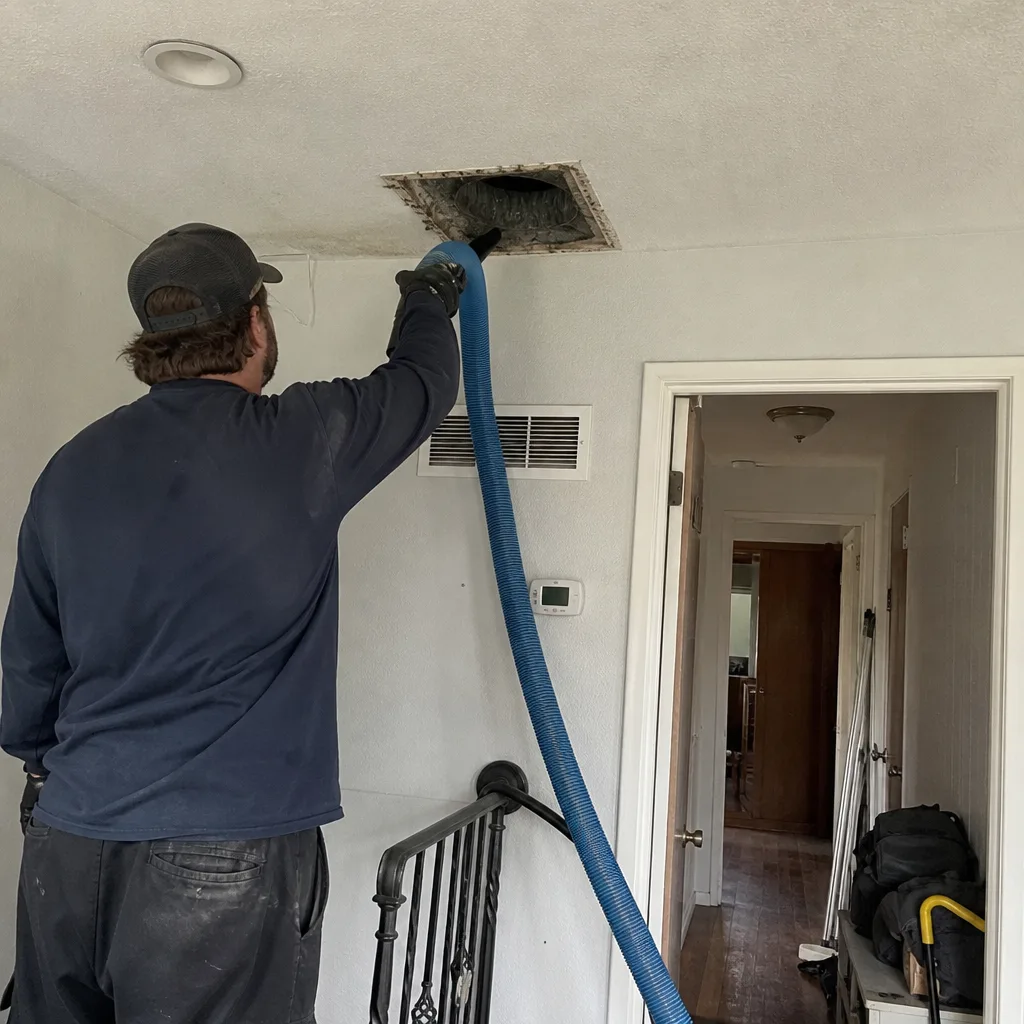
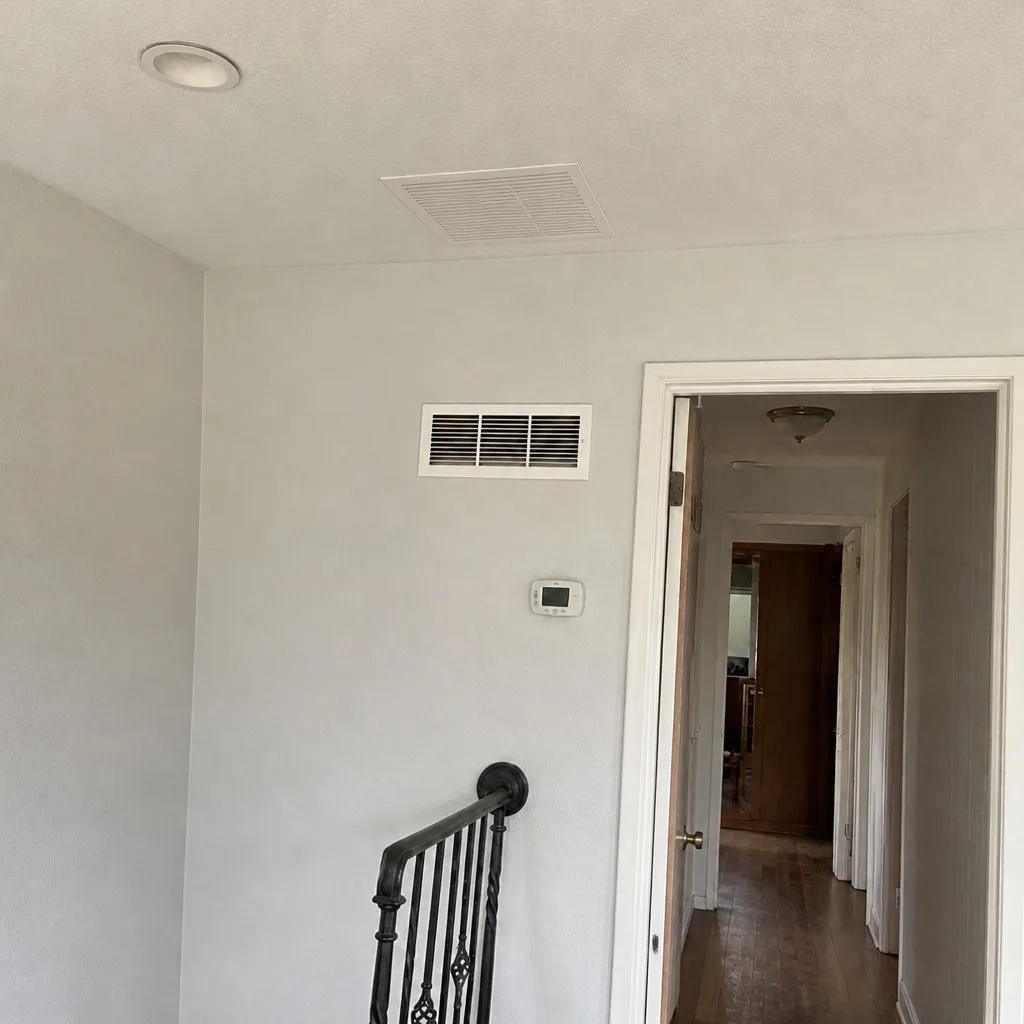
Whole-system duct and dryer vent check with before-and-after photos - you see exactly what came out of your vents
That "$99 whole-house special" is a bait ad - the real number appears once they are in your hallway, or the "clean" is a shop-vac at the register. We photograph the inside of your ducts before and after instead.
Seasonal Air Duct Cleaning Care for West Seattle: Year-Round Homeowner’s Guide
Spring feels like the obvious time to clean ducts. In West Seattle, it usually isn’t. The smartest window sits in late September, right before heating season starts pulling wet marine air through your system for six months. In our experience, most homeowners time this job backward. They clean after the damage is done in March, when the ducts have spent the whole wet season doing exactly what you’d expect a cool, damp, closed loop to do. This guide covers what each West Seattle season does to your ductwork, the month-by-month signals worth watching, and how to time the work so you’re not paying to clean a problem twice.
Quick Answer
For most West Seattle homes, the best time to clean air ducts is late September through October, before the October – March wet season turns your system into a damp, low-airflow environment where biological growth takes hold. Summer calls for a different focus: fine wildfire smoke particles that settle differently than household dust. Spring cleanings often make less sense here than a pre-winter cleaning, and any renovation in any season should be followed by a construction-debris-specific duct cleaning.
Styles & brands we work with
- Whole-home duct cleaning
- Dryer vent cleaning
- Camera inspection
- Sanitizing & deodorizing
Table of Contents
- Why Duct Cleaning Timing Matters More in West Seattle Than Anywhere Else
- The October – March Wet Season: Your Highest-Risk Window
- Summer Wildfire Smoke: Why Fine Particulates Need a Different Approach
- The Spring Cleaning Myth
- After a Renovation: Construction Debris Is Its Own Category
- A Month-by-Month Observation Calendar for West Seattle
- What the Right Equipment Actually Changes
- When the Job Is Bigger Than a Vacuum and a Saturday
Why Duct Cleaning Timing Matters More in West Seattle Than Anywhere Else
West Seattle sits in a marine climate where the wet season doesn’t just mean rain outside. It means your home’s air exchange shifts. Windows close in October and don’t open again until April. Your HVAC system runs for hours a day moving air through the same enclosed ducts. Relative humidity inside a Seattle-area home rises through the fall and stays elevated through winter, and when that moist air sits in a cooled duct run with limited airflow, you get the conditions biological growth prefers: moisture, organic dust as a food source, and low circulation.
That’s the core of why timing matters. A cleaning in October removes the dust and organic matter that would otherwise serve as a food source through the entire wet season. A cleaning in March removes what already grew. Both jobs sound the same on an invoice. They are not.
In our experience across homes in neighborhoods like Admiral, Alki, Fauntleroy and Delridge, the visible difference between a fall-cleaned system and a spring-cleaned system shows up by February. Ducts that were cleaned in the fall still look and smell largely neutral. Ducts that were only cleaned the previous spring show dust re-accumulation and that faint musty edge that tells you the system never really dried out. Professional-grade extraction, not a shop vac and a hose, is what makes the fall cleaning hold through the season. We’ll cover the equipment difference further down.
The October – March Wet Season: Your Highest-Risk Window
The wet season is the single most important stretch of the year for duct health in West Seattle. Here’s what’s actually happening inside the system:
- Outdoor relative humidity climbs and stays high from October through March.
- Homes stay closed. Passive ventilation drops sharply.
- The furnace or heat pump runs daily, cycling moist air through supply and return runs.
- Dust, skin cells, pet dander and pollen that accumulated over summer becomes a food source.
- Any small leak or unsealed joint in the ductwork pulls in unconditioned attic or crawlspace air.
That last point is the one most homeowners miss. A duct system that isn’t fully sealed doesn’t just lose efficiency. It introduces air from spaces you never intended to breathe. Crawlspaces under many West Seattle homes stay damp through the wet season. If a return run has a breach in it, that crawlspace air becomes part of your indoor air.
What pre-season timing does to prevent it:
- Remove the food source. A thorough cleaning in late September strips out the accumulated organic dust before moisture has a chance to interact with it.
- Seal what we find. Duct repair and sealing after cleaning closes the breaches and joints that would otherwise feed damp outside air into the system all winter.
- Sanitize the pathway. Post-clean sanitizing addresses the surfaces where growth would establish itself during the wet months.
- Set the system up to run dry. A clean, sealed, well-moving system dries faster between heating cycles than a dirty, leaky one.
This is what we mean when we say from intake to output. Supply and return ducts, dryer vents, HVAC unit and all. One crew, every step, before the wet season locks the house down.
Summer Wildfire Smoke: Why Fine Particulates Need a Different Approach
West Seattle summers have changed. Smoke events from regional wildfires now push fine particulate into homes for days at a time, and those particles behave inside ductwork very differently from household dust.
Household dust is relatively large, fibrous and settles out of airflow within a run or two. PM2.5 smoke particles are two and a half microns or smaller. They stay suspended. They travel the full length of a duct run, coat surfaces at a nearly molecular level, and pass straight through standard filters. A homeowner vacuuming vents in August is addressing the wrong layer entirely.
A smoke-specific cleaning approach looks different:
- HEPA-filtered containment. Nikro HEPA-filtered vacuum equipment traps particles at the 0.3-micron range, which is where smoke sits. A shop vac re-aerosolizes them into the room.
- Full-pathway extraction. Smoke coats surfaces along the entire run, so a rotary brush extraction pass (we use Rotobrush) is necessary to dislodge the film, not just the loose dust.
- Filtration upgrade conversation. If smoke events are recurring, a higher-MERV filter setup or an Aprilaire whole-home filtration component installed alongside the cleaning is what prevents the next round of accumulation.
- Sanitizing after extraction. Residual smoke odor lives in surfaces. Post-clean sanitizing addresses the source, not the air.
Timing note: if your home experienced heavy smoke infiltration in July or August, cleaning in September before the wet season begins is the right sequence. You’re removing smoke residue and prepping for the damp months in one visit.
The Spring Cleaning Myth
Spring cleaning is a deeply ingrained habit, and it’s the wrong instinct for ducts in West Seattle’s marine climate. Here’s why.
By the time spring arrives, the wet season has already done its work. Whatever moisture-driven growth was going to establish inside your ducts has already established. Whatever dust darkened the interior of the system has already darkened it. A spring cleaning resets the system to a clean baseline, which sounds good, and then it sits clean and unused for the six dry months when dust accumulation is actually slowest. By the time the next wet season arrives, you’ve paid for a clean system that’s had a summer of low-risk accumulation layered on top of it.
The better sequence is almost always pre-winter. Clean in late September. Seal what’s found. Sanitize. Let the system sit clean through the wet months when it needs to be clean the most. Spring cleanings still make sense in a few situations:
- You moved into a West Seattle home over the winter and don’t know the last time the ducts were touched.
- A spring remodel generated construction dust.
- You’re troubleshooting an allergy symptom that started mid-winter.
- A spring HVAC replacement or major repair introduced debris.
Otherwise, if you’re going to clean once this year, clean before October, not after March. We’ve seen the difference on both sides of the calendar too many times to recommend anything else.
After a Renovation: Construction Debris Is Its Own Category
Construction dust is not ambient dust. It’s a different contamination category, and it needs a different cleaning approach no matter what season the renovation finished in.
Drywall dust, joint compound residue, sawdust, insulation fibers, adhesive overspray and paint particulate all behave differently from the dust a home naturally generates. Drywall dust in particular is fine, alkaline and abrasive. Left in a duct system, it settles into the low points of runs, coats the blower wheel and evaporator coil, and can shorten the life of the HVAC unit. Sawdust from a kitchen or floor renovation is the largest-volume debris source, and it doesn’t stay in the room it was generated in. The HVAC system pulls it into every connected run within hours.
What to do after a renovation, in any season:
- Change the filter immediately. Then change it again after the ducts are cleaned. The first change protects the equipment during the renovation; the second protects it from the debris the cleaning loosens.
- Keep the system off during heavy dusty phases. If possible, close supply registers in the work zone and run the HVAC minimally while cutting, sanding or drywalling is underway.
- Schedule a full-pathway cleaning after the work is finished. This is not a vent wipe. It needs rotary brush extraction along the full length of supply and return runs, HEPA containment so the release doesn’t recontaminate the living space, and a check of the HVAC unit itself, since blower wheels and coils catch construction dust.
- Inspect for breaches opened by the work. Renovations frequently expose or disturb duct runs, especially when walls are opened. Duct repair and sealing closes those before the next heating season.
- Consider sanitizing. Construction dust carries odors. Post-clean sanitizing removes them at the surface instead of masking them.
If the renovation involved a lot of drywall cutting or any older-home demolition, we bring Abatement Technologies equipment to contain particulate during the cleaning. This matters in homes with pre-1980 construction where demo debris can include materials you don’t want re-suspended.
A Month-by-Month Observation Calendar for West Seattle
This isn’t a maintenance schedule you have to sign up for. It’s a set of monthly observations. What to look at, what to listen for, and when to act.
January
Peak wet season. Listen for whistling at registers (a sign of a leak pulling air through a breach) and check for condensation on the outside of ducts in unconditioned spaces. Note any musty smell when the heat kicks on.
February
Late-wet-season check. Pull a supply register and look at the interior of the run with a flashlight. If you see dark discoloration or fuzzy growth on the duct lining, that’s the wet season doing its work, and it warrants a call.
March
Transition month. Windows start opening again. If you haven’t cleaned ducts in more than three years, this is a reasonable time, but consider whether waiting until September is smarter if the ducts were cleaned last fall.
April
Pollen loads in West Seattle climb. If allergy symptoms spike when the HVAC runs, that’s pollen that’s been pulled into the return. Filter change and a filter upgrade conversation is the right move now.
May
Dry season begins. Outdoor debris (pollen, cottonwood fluff, dust) enters through open windows and gets pulled into returns. This is a good month to check the return filter housing for visible accumulation.
June
Cooling season startup. Run the AC for the first sustained period and notice any odors when it cycles on. Cooling coil condensation with dirty ducts produces a specific smell that’s worth addressing before it becomes a summer-long issue.
July
Wildfire smoke risk month. Have HEPA-rated filters on hand. If regional smoke events push into Puget Sound, keep windows closed and the HVAC running on recirculate with a high-MERV filter until air quality clears.
August
Second smoke-risk month and the peak of renovation season. If either smoke infiltration or a remodel happened this month, plan a full-pathway cleaning in September before wet season returns.
September
The ideal cleaning month. Clean, seal, sanitize, and let the system run through the wet season in a controlled state. This is the month to act if you’re cleaning once this year.
October
Wet season begins. If you clean in September, you’ve already done the important work. If not, October is the second-best month. After October, cleaning effectiveness holds less well through the winter.
November
Heating runs daily. Register airflow should feel consistent across rooms. If one room is noticeably weaker, suspect a breach or disconnected run and have it checked before the season gets deeper.
December
Last call for the season. If you’re noticing persistent musty odor, uneven airflow, or a dryer that isn’t drying efficiently, these are signals worth acting on before the wet season is over.
What the Right Equipment Actually Changes
Most duct cleaning proposals look identical on paper. The difference is what actually shows up in the driveway. We work with professional-grade equipment, not a shop vac and a hose, and the seasonal argument above only works if the cleaning actually removes what the season deposited.
- Rotobrush rotary brush extraction. A motorized brush with a HEPA-rated vacuum attached. It’s what reaches the full circumference of a duct run, not just the reachable top surface. This is the standard for residential and commercial work and it’s what we use on every job.
- Nikro HEPA-filtered vacuum equipment. Traps particulate at the 0.3-micron range during cleaning, so the release doesn’t re-aerosolize into the home. Critical for smoke residue and fine construction dust.
- Abatement Technologies containment. On hand for elevated contamination scenarios: significant biological growth, post-renovation debris, or homes with sensitive occupants where containment can’t slip.
- Honeywell and Aprilaire air quality hardware. Whole-home filtration and air quality components installed alongside cleaning so future seasons deposit less. This is the natural bridge from cleaning to indoor air quality improvement.
What this equipment lets us do is what makes air duct cleaning actually work in a West Seattle home. Removing surface dust without full-pathway extraction and HEPA containment just re-deposits it. Cleaning a duct system is the starting point of a conversation about the entire air pathway. That’s why we also handle dryer vent cleaning, which in West Seattle’s damp season matters more than most homeowners realize since lint efficiency drops when vent runs are partially blocked. And it’s why HVAC cleaning belongs on the same visit, since the blower wheel and evaporator coil collect more in a wet year than most people expect.
When the Job Is Bigger Than a Vacuum and a Saturday
Not every duct system needs a contractor-grade cleaning. Some do, and it’s worth knowing which.
Call a professional if:
- You see visible growth, dark discoloration, or fuzzy patches inside a supply or return run.
- The home smells musty every time the heat comes on.
- You’ve finished a renovation that involved significant drywall, sanding, or demo work.
- You’ve had a wildfire smoke event push into the home for multiple days.
- Your ducts haven’t been cleaned in more than a few years and you’re moving in.
- One or more rooms have noticeably weak airflow.
- A dryer in the home isn’t drying clothes in a normal cycle.
- You want to seal and repair what the cleaning discovers, without calling a second company to do it.
Air Duct Cleaning West Seattle offers free estimates in West Seattle. Call (877) 492-4032. We answer 24/7. Fast dispatch from 7am to 7pm, Sunday through Friday. The local pro who performs the work is licensed and insured as their state requires, we set one flat price per system agreed before work starts, and we take before-and-after photos of your ducts.
See the difference
 Before
 After
 Before
 After
 Before
 After
Common Mistakes to Avoid
- Cleaning in spring when the wet season already did its damage. Cleaning after the problem establishes means you’re removing the aftermath, not preventing it. In West Seattle, the better window is September.
- Judging a quote by price per vent. Per-vent pricing is the delivery mechanism for the bait-and-switch model: a low coupon price, then a much larger invoice once the technician is on site. Ask for a single flat price per system.
- Assuming a shop vac and a hose is enough. Without HEPA containment and rotary brush extraction, cleaning re-suspends fine particulate into the living space. It looks cleaner and the indoor air is worse for hours afterward.
- Skipping the HVAC unit itself. Cleaning ducts while leaving the blower wheel and evaporator coil coated in the same debris doesn’t solve the problem. From intake to output, the whole pathway needs the same attention.
- Ignoring duct breaches “because they’re hidden.” A breach in the return line pulls crawlspace air into your living space all wet season. Sealing it is often the higher-value fix than the cleaning. We seal what we find.
- Cleaning after a renovation without checking the HVAC. Drywall dust coating the blower wheel shortens equipment life. Cleaning the runs without checking the unit misses the component most affected.
- Assuming “duct cleaning” covers dryer vents. A dryer vent blocked by lint is a fire risk in any month, and it’s a separate run with its own inspection. Ask explicitly.
Frequently Asked Questions
Air duct cleaning in West Seattle typically runs a few hundred dollars for a standard single-family system, with the exact figure depending on the number of runs, system size and any repair or sealing work needed. Whole-system pricing is quoted as one flat price before work starts, never as a per-vent rate. The written estimate sets the final price. Call (877) 492-4032 for an exact quote. Estimates are free.
Yes, for most homes. Cleaning in late September removes the dust and organic material that would otherwise feed biological growth through the October – March wet season, and it lets the system sit clean through the months when it needs to be clean the most. A spring cleaning resets the system right when the wet season damage is already done.
Low quotes usually reflect a shorter, surface-level service: a shop vac pass, no HEPA containment, no rotary brush extraction, no thorough inspection of the HVAC unit. Once a technician is on site, the price often expands through per-vent add-ons. Ask before booking what equipment will be used, whether rotary brush extraction is included, and whether HVAC unit cleaning is in scope. One flat price per system, agreed in advance, is the way to avoid the surprise.
Ask for before-and-after photos of your own ducts. A thorough cleaning shows visibly cleaner duct interiors, and a company that does genuine full-pathway work can produce that evidence from your home, not stock imagery. We take photos on every job for exactly this reason.
Most West Seattle homes benefit from a full cleaning every three to five years, with tighter intervals if the home has pets, allergy sufferers, recent renovations or significant wildfire-smoke exposure. The wet-season timing matters more than the frequency number. Cleaning in the fall, even every few years, holds better through winter than cleaning more often in spring.
Yes. Fine smoke particles behave differently than household dust. They stay suspended through the full length of a duct run and pass through standard filters, so cleaning after a smoke event requires HEPA-filtered extraction and rotary brush contact on the full interior circumference. If a home experienced heavy smoke infiltration during peak summer, cleaning in September addresses smoke residue and preps for the wet season in the same visit. Call (877) 492-4032 to talk through timing. Estimates are free.
The Bottom Line
West Seattle’s marine climate doesn’t stress ducts evenly across the year. The wet season from October to March is where biological growth pressure peaks. Summer is where fine smoke particulate loads spike. Timing your cleaning for late September addresses the wet-season risk, removes summer smoke residue and preps the system before the closed-house months. Skip spring cleanings that just reset a system after the damage is done. Assume construction dust in any season deserves its own cleaning approach. Check the calendar monthly. And when it’s time to act, ask what equipment is showing up, get one flat price per system in writing, and expect before-and-after photos of your own ducts. That’s how duct work is done right. Cleaner air starts with the right tools and the right timing, and in West Seattle, both matter.
Call (877) 492-4032 for a free estimate. We answer 24/7. Fast dispatch from 7am to 7pm, Sunday through Friday. Explore Air Duct Cleaning West Seattle to see the full service menu and schedule a seasonal cleaning that matches the way West Seattle’s air actually works.
Written by the team at Air Duct Cleaning West Seattle.