
Last updated November 22, 2026
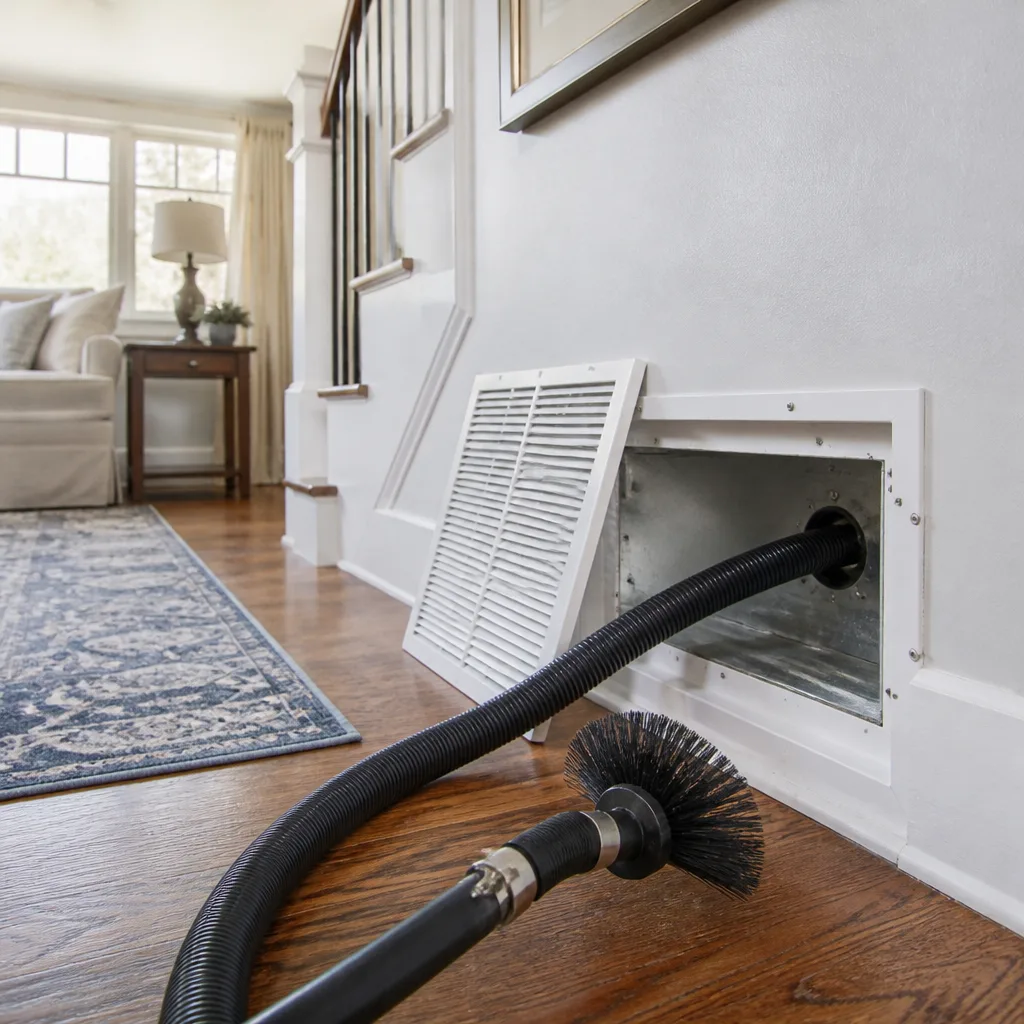 Whole-home duct cleaning
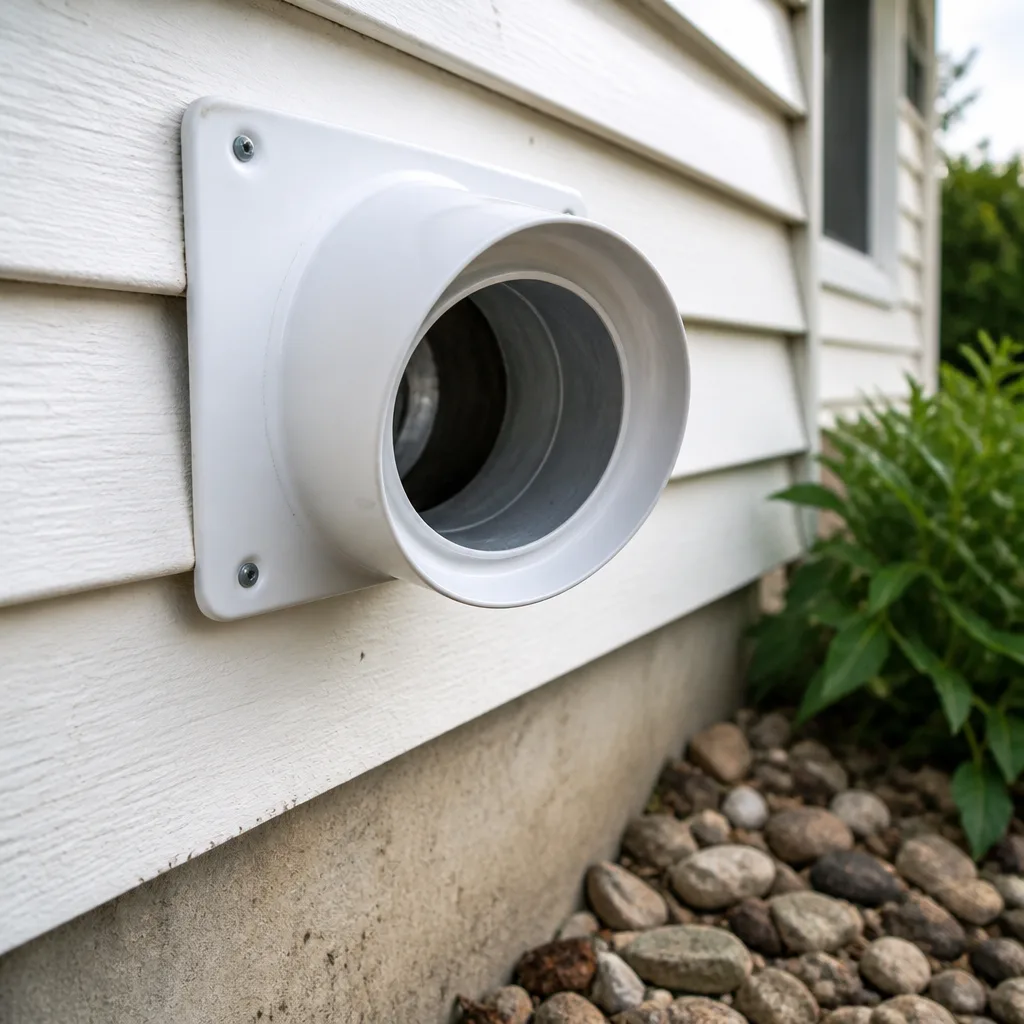 Dryer vent cleaning
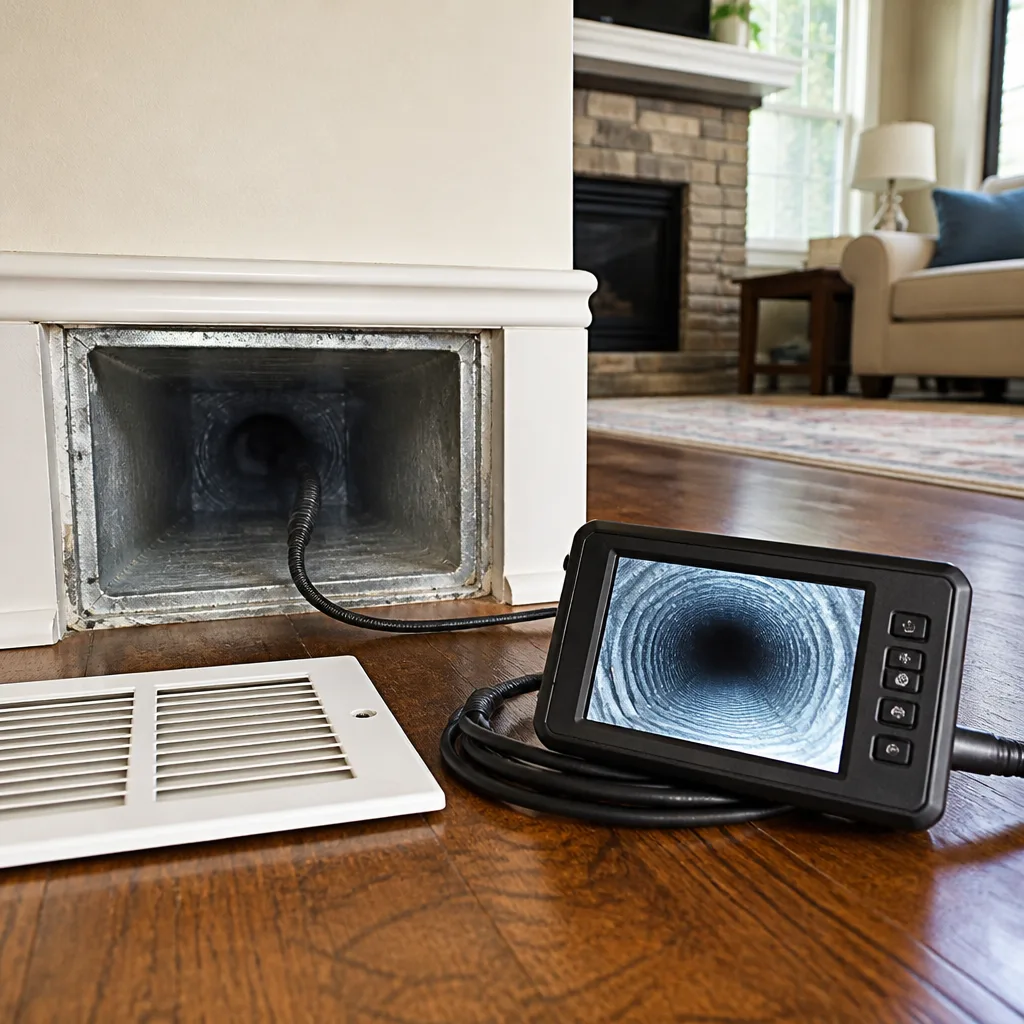 Camera inspection
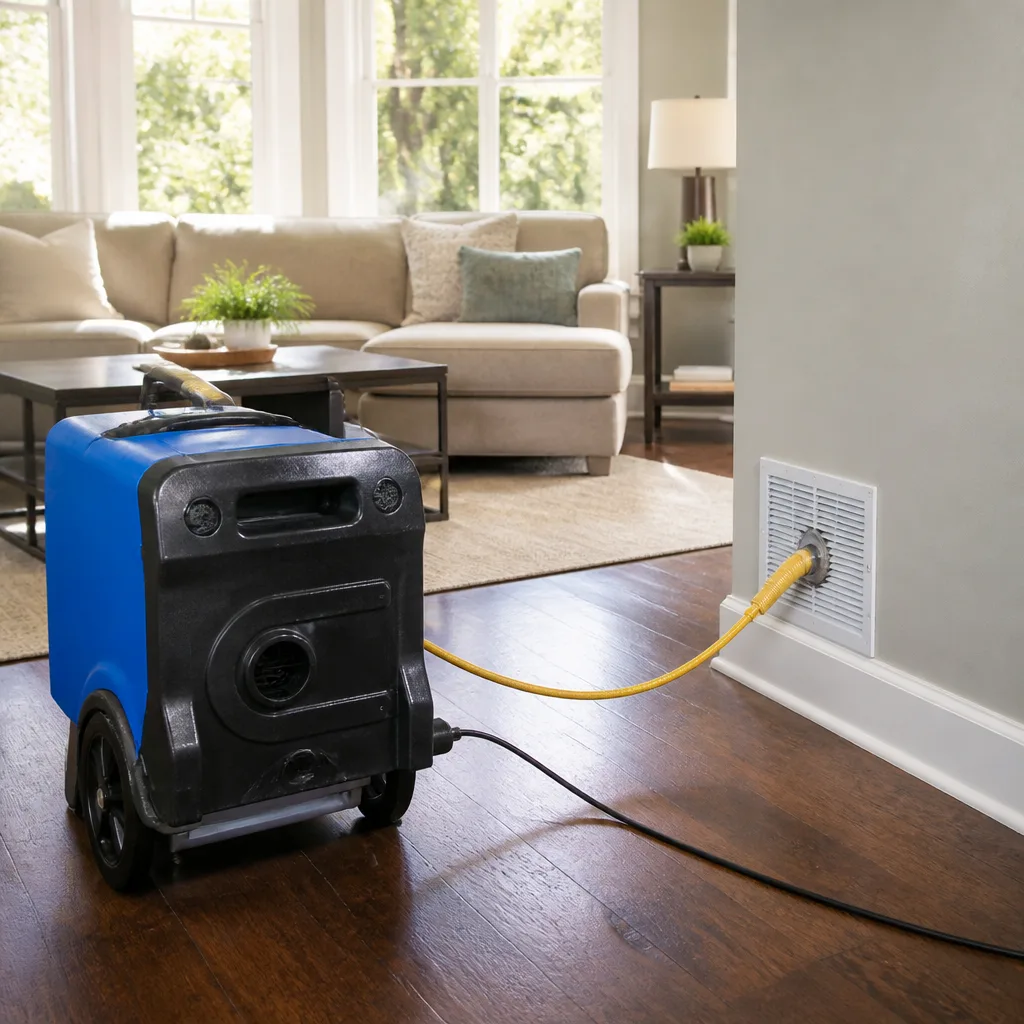 Sanitizing & deodorizing
Whole-system duct and dryer vent check with before-and-after photos - you see exactly what came out of your vents
That "$99 whole-house special" is a bait ad - the real number appears once they are in your hallway, or the "clean" is a shop-vac at the register. We photograph the inside of your ducts before and after instead.
The Complete Guide to Air Duct Cleaning in West Seattle
Most air duct cleaning guides describe a house that doesn’t exist. A generic split-level with standard flex duct, in a city with average humidity. If you live in West Seattle, that guide probably doesn’t match your home. A 1940s bungalow off California Avenue with original galvanized trunk lines behaves nothing like a 2015 infill build near the Junction with tight flex runs and a sealed mechanical closet. The ductwork is different, the debris is different, and the equipment needed to clean it properly is different. This guide maps the actual process to the actual housing stock in this part of the city, so you know what you’re paying for before anyone shows up.
Quick Answer
Air duct cleaning in West Seattle involves removing accumulated dust, debris, and biological growth from the entire air pathway (supply and return ducts, registers, and the HVAC unit) using negative-pressure equipment and rotary brush systems. It’s not a wipe-down of visible vents. Because West Seattle’s marine climate keeps indoor humidity elevated for more of the year than inland markets, ducts here can support mold and mildew growth that dry-climate homes rarely see, which makes source-removal cleaning the standard worth holding a contractor to.
Styles & brands we work with
- Whole-home duct cleaning
- Dryer vent cleaning
- Camera inspection
- Sanitizing & deodorizing
Table of Contents
- How West Seattle’s Housing Stock Changes the Job
- What the Marine Climate Does Inside Your Ducts
- Source Removal vs. Brush-and-Blow: How to Tell the Difference
- What Contractor-Grade Negative Pressure Actually Does
- Why Older Homes Need an Assessment Before a Price
- The Cleaning Process, Step by Step
- Post-Cleaning Verification: What Should Happen Before We Leave
- What Air Duct Cleaning Costs in West Seattle
How West Seattle’s Housing Stock Changes the Job
West Seattle isn’t one housing market. It’s several, stacked on hillsides between the Duwamish and the water, and each era of construction left behind a different duct system. Walk the same block and you might pass a 1920s Craftsman, a 1962 split-entry, and a 2018 townhome built to current energy code. Each one asks something different of a duct cleaning crew.
Craftsman and pre-war homes (roughly 1900 to 1940) often still have original galvanized steel ductwork, sometimes gravity-furnace-era runs that were retrofitted to a forced-air system decades later. That steel has seams, joints, and decades of settled particulate. It’s sturdy but pitted, and aggressive brushing in the wrong hands can damage it.
Mid-century builds (roughly 1945 to 1975) introduced more rigid rectangular duct and, later, early flex. This is the era where you find duct board, fiberglass-lined interiors, and the first generation of poorly sealed joints. Lined duct has to be cleaned differently than bare metal; the liner can tear if a technician treats every run the same.
Newer infill and townhome construction (2000s forward) is usually tight: compact mechanical closets, short flex runs, and sealed building envelopes. These systems are efficient but they recirculate everything. There’s no attic leakage to dilute what’s in the air, so what’s in the ducts stays in the ducts.
None of this is a reason to panic. It’s a reason the cleaning approach has to match the home. A one-size-fits-all quote, given before anyone has looked at the system, is a warning sign. Our air duct cleaning work always starts with the system itself, not a pricing menu.
What the Marine Climate Does Inside Your Ducts
West Seattle sits in a climate that stays damp for a lot of the year. That matters more than most homeowners realize, because ducts are a dark, enclosed, temperature-stable space. Those are exactly the conditions mold and mildew favor.
Here’s what we’ve learned from working in this climate:
- Sustained humidity keeps dust from fully drying out. In a dry inland market, dust and lint stay powdery and blow through. Here, fine particulate in the duct system can stay slightly damp and clump, which makes it more likely to stick to duct walls and build up rather than move.
- Condensation on cool duct surfaces is common. Return runs in conditioned space, and any uninsulated duct passing through cooler zones, can sweat during the shoulder seasons. That moisture is a surface for biological growth.
- Mold and mildew are a real possibility, not a scare tactic. When we inspect ducts in West Seattle, we look for the visual and smell cues of growth; we don’t assume every home has it, but the conditions here make it more likely than in drier regions.
- Biological growth needs specific handling. Sanitizing after removal is part of a complete job in these conditions. We stock and install air quality hardware from Aprilaire and Honeywell so that the fix extends to filtration and humidity control, not just a cleaner duct today.
That last point matters. Cleaning a system in a damp climate without addressing filtration or humidity is like mopping a floor while the leak continues. The goal is the entire air pathway, from intake to output.
Source Removal vs. Brush-and-Blow: How to Tell the Difference
Air duct cleaning has a recognized standard: source removal. That means physically removing the contaminants from the system and capturing them, rather than loosening them back into the house. It’s the standard the industry’s professional guidelines revolve around. The problem is that the phrase gets used by contractors who don’t actually do it.
The budget alternative is the brush-and-blow. A technician runs a handheld brush down each vent, maybe hits it with a shop-vac, and lets the loosened debris settle back into the duct system or drift into the living space. The vents look better. The ducts don’t.
How to tell which one you got:
- Was there a containment setup? Source removal uses negative pressure: a vacuum strong enough to hold the whole system under suction while brushes disturb the debris. If you never saw a hose connected to the main trunk line or a large vacuum unit in the driveway, it wasn’t a source-removal job.
- Did they access the trunk, not just the vents? Real cleaning involves opening access points into the main supply and return trunks, not just removing floor registers.
- Was the debris captured and removed from the home? Source removal means the material goes into a filter and out of your house. Ask what happened to it.
- Was the job verified? Real source-removal cleaning ends with a visual verification step, which we cover below.
We use the Rotobrush rotary brush extraction system on every job, paired with Nikro HEPA-filtered vacuum equipment for particulate containment. That’s professional-grade equipment, not a shop vac and a hose. It’s the difference between cutting the fuel from a dusty system and pushing the dust around.
What Contractor-Grade Negative Pressure Actually Does
This is the part of the process homeowners underestimate. A duct cleaning job is only as good as its ability to contain what it disturbs. Disturbing debris without containment just spreads it through the house, where it settles on furniture and gets pulled back into the return.
Negative pressure means the whole duct system is held under suction, so anything the brush loosens is pulled toward the vacuum and captured, not blown into the room. The equipment grade determines how well that works:
- A consumer shop vac moves a limited volume of air and has no way to filter fine particulate. Connected to a duct, it pulls weakly and exhausts dust back out.
- A portable contractor rig is better and is what mid-tier companies use. It can pull real pressure but is limited by filter capacity and hose size on long, complex systems.
- A professional extraction and containment setup, like the Nikro HEPA-filtered equipment we use, holds those contaminants and catches the fine particulate instead of exhausting it into the home. For jobs with elevated contamination, we bring in Abatement Technologies equipment, which is designed for contamination and particulate control well beyond a surface wipe.
The hardware is the honest part of the pitch. You can’t fake strong negative pressure. Ask any contractor what they’re bringing, and whether it filters at HEPA level. The answer tells you what you’re paying for.
Why Older Homes Need an Assessment Before a Price
A flat over-the-phone price for a forty-year-old duct system is a guess dressed up as a quote. In West Seattle, where the housing stock spans a century of construction methods, the assessment has to come first.
Here’s what an assessment uncovers that a phone call cannot:
- Duct material and condition. Bare galvanized steel, fiberglass duct board, flexible ducts, and older lined runs all clean differently. Some older duct is brittle or damaged and needs repair before or after cleaning.
- Number of access points required. Adding access doors to the trunk is part of a proper job on a home that wasn’t built for cleaning access. More access means more labor.
- Leaks and breaches. This is where HVAC cleaning turns up problems that cleaning alone won’t solve: cracked flex connectors, disconnected joints behind drywall, gaps at the plenum. A clean duct system that leaks just pulls attic or crawlspace air in after the job. That’s why Duct Repair & Sealing is offered in-house and after a clean, not referred out.
- The HVAC unit itself. The blower, evaporator coil, and cabinet are part of the air pathway. A dirty coil reintroduces debris into clean ducts the moment the system runs.
An honest assessment takes fifteen minutes and saves you from a bait-and-switch invoice. Ask any contractor if they’ll walk the system with you before quoting. If they won’t, that tells you what you need to know.
The Cleaning Process, Step by Step
Here’s what a proper cleaning looks like from the homeowner’s side, so you know what to expect and what to watch for.
- Pre-inspection and system walk-through. We photograph the duct system, locate access points, note material type and any existing damage, and check the HVAC unit before touching anything.
- Containment setup. We connect the negative-pressure equipment to the main trunk and establish suction so the whole system is under pull before cleaning begins.
- Register and vent removal. Supply and return grilles come off so the ducts can be accessed and the grilles cleaned separately.
- Rotary brush extraction. Using the Rotobrush system, we run the rotary brush through each branch, loosening the attachment between debris and duct wall while the vacuum pulls it out.
- Trunk and return line cleaning. The main supply and return trunks get the same treatment, since this is where the largest volume of debris sits.
- HVAC unit cleaning. Blower, coil, and cabinet get cleaned so the system doesn’t dirty the ducts the moment the thermostat kicks on.
- Duct repair and sealing where needed. If the assessment or the cleaning turns up leaks or disconnected joints, we seal them. We seal what we find.
- Sanitizing. Where warranted, we apply a sanitizing treatment to the system after removal.
- Register reinstall and system run. Registers go back on, the system comes up, and we verify airflow.
The dryer vent cleaning portion of the job follows the same logic: it’s a full pathway, from the dryer connection to the exterior termination, and it deserves the same attention the duct system gets.
Post-Cleaning Verification: What Should Happen Before We Leave
A cleaning you can’t verify is a cleaning you’re taking on faith. The job isn’t done when the last brush comes out of the vent. It’s done when the technician walks the system with you and shows you the result.
Verification steps you should see:
- A visual inspection of cleaned sections. The technician should show you photographs of the interior of the ducts after cleaning, not just the before shots.
- Before-and-after photos of your own system. Not stock photos from another job. Yours.
- Confirmation that access points are properly sealed. Any access doors added to the trunk should be closed and sealed before the crew leaves.
- A final system run and airflow check. The system should come on and airflow at the registers should be confirmed, so any problem surfaces while we’re still there.
- A written record. The report should tell you what was cleaned, what was repaired, and what to watch for going forward.
If a contractor packs up and leaves without showing you anything, that’s the answer to “how do I know the work was actually done?” It probably wasn’t, or it wasn’t the kind of work that matters.
What Air Duct Cleaning Costs in West Seattle
Pricing depends on the system: number of runs, material, access required, whether the HVAC unit needs cleaning, and whether any repair and sealing is needed. The price is always set per job by the written estimate, and the estimate is free. Call (877) 492-4032 for an estimate specific to your home.
Typical cost factors in West Seattle:
- System size and layout. A small 1960s ranch with ten runs costs less than a two-story 1920s Craftsman with a long trunk line and branches to a basement.
- Access required. Older homes that weren’t built with cleaning access need additional access points cut into the trunk.
- HVAC unit cleaning. A dirty blower and coil add scope and need cleaning to make the duct cleaning last.
- Duct repair and sealing. Disconnected joints, cracked flex connectors, or gaps at the plenum need to be fixed before the system can move clean air.
- Elevated contamination. When a system shows signs of mold, pest activity, or heavy biological growth, the job needs sanitizing and may call for the Abatement Technologies equipment.
- Dryer vent. Often added as a separate service when the technician sees a vent that’s overdue.
Be skeptical of a low coupon price that becomes a much larger invoice once the technician is on site. One flat price per system, agreed before work starts, is the standard we hold to. No per-vent pricing, no surprise add-ons.
Common Mistakes to Avoid
- Accepting a phone quote for an older home. Any contractor who quotes a 1940s West Seattle bungalow without walking the system is guessing, and the invoice will reflect that guess. Ask for an on-site assessment first.
- Assuming clean-looking vents mean clean ducts. Vents are the surface. The trunk lines and the HVAC unit are where the work matters, and you can’t see them without access points.
- Hiring a company that only does cleaning. If they find a disconnected joint or a cracked flex connector, a clean-only contractor leaves it for someone else. Ask about Duct Repair & Sealing before the job starts.
- Skipping the HVAC unit. Cleaning ducts without cleaning the blower and coil means the system dirties the ducts the first time it runs. The whole air pathway is the standard.
- Ignoring the climate. In West Seattle’s damp climate, skipping sanitizing when the system shows biological growth is a mistake you’ll notice when the smell comes back. Ask what’s being done about humidity and filtration.
- Not asking for before-and-after photos. If the technician can’t show you the inside of your own ducts before and after, you can’t verify the job was done.
- Forgetting the dryer vent. A clogged dryer vent is a fire risk and a common miss in an otherwise thorough duct cleaning. Ask for it to be included or quoted separately.
See the difference
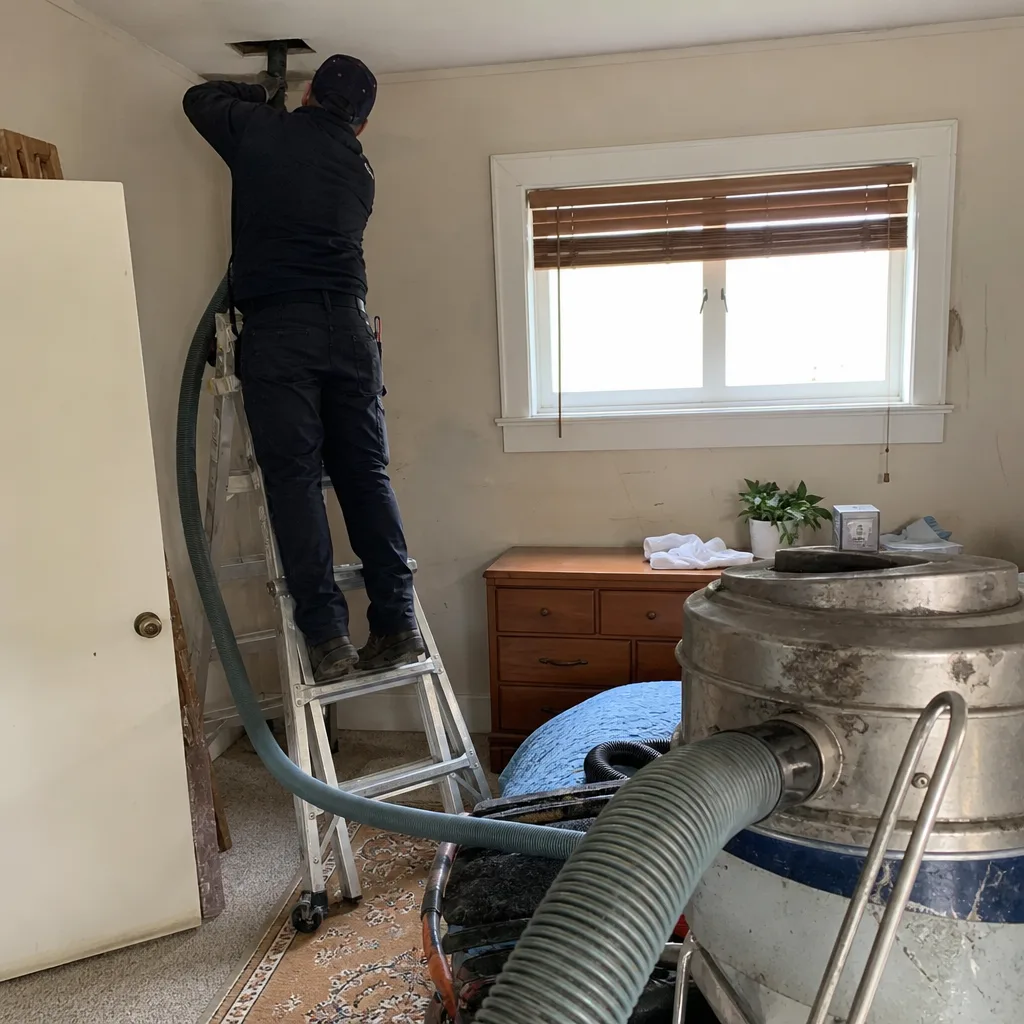 Before
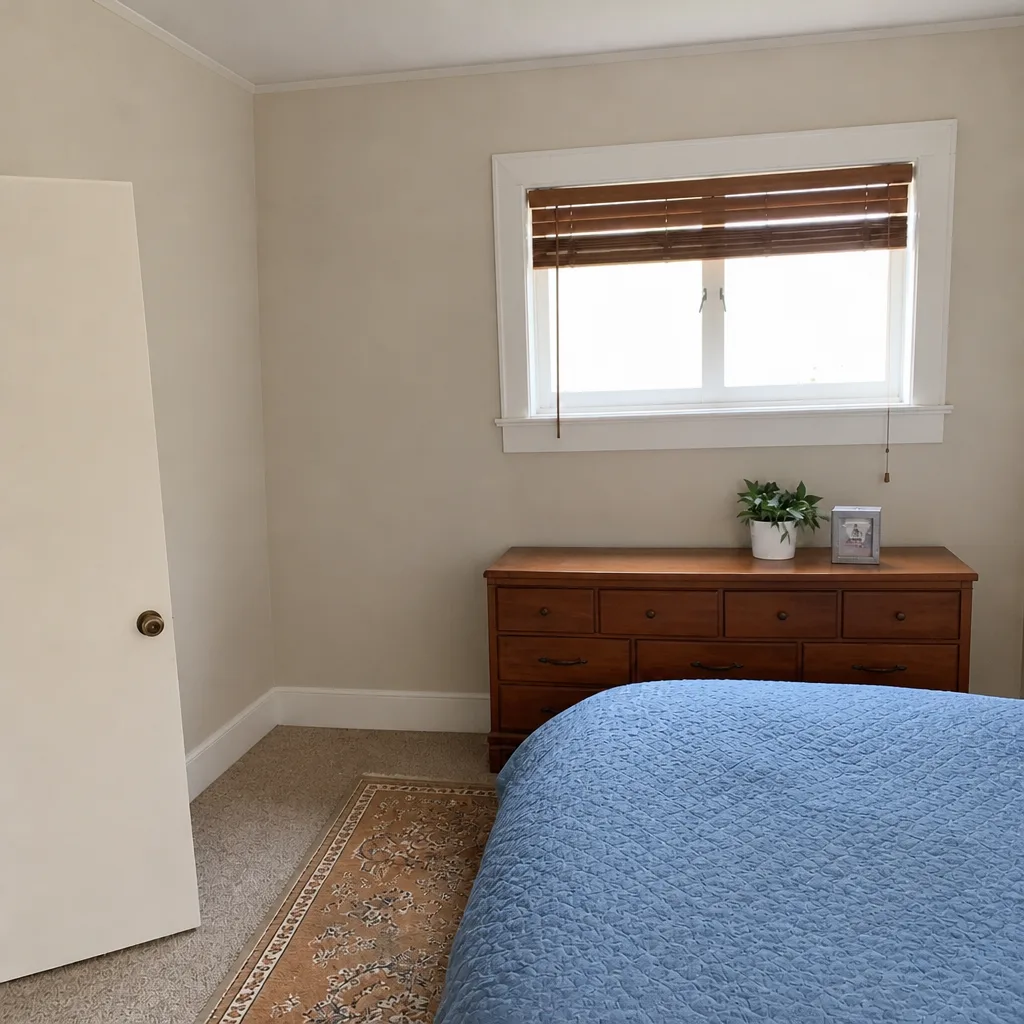 After
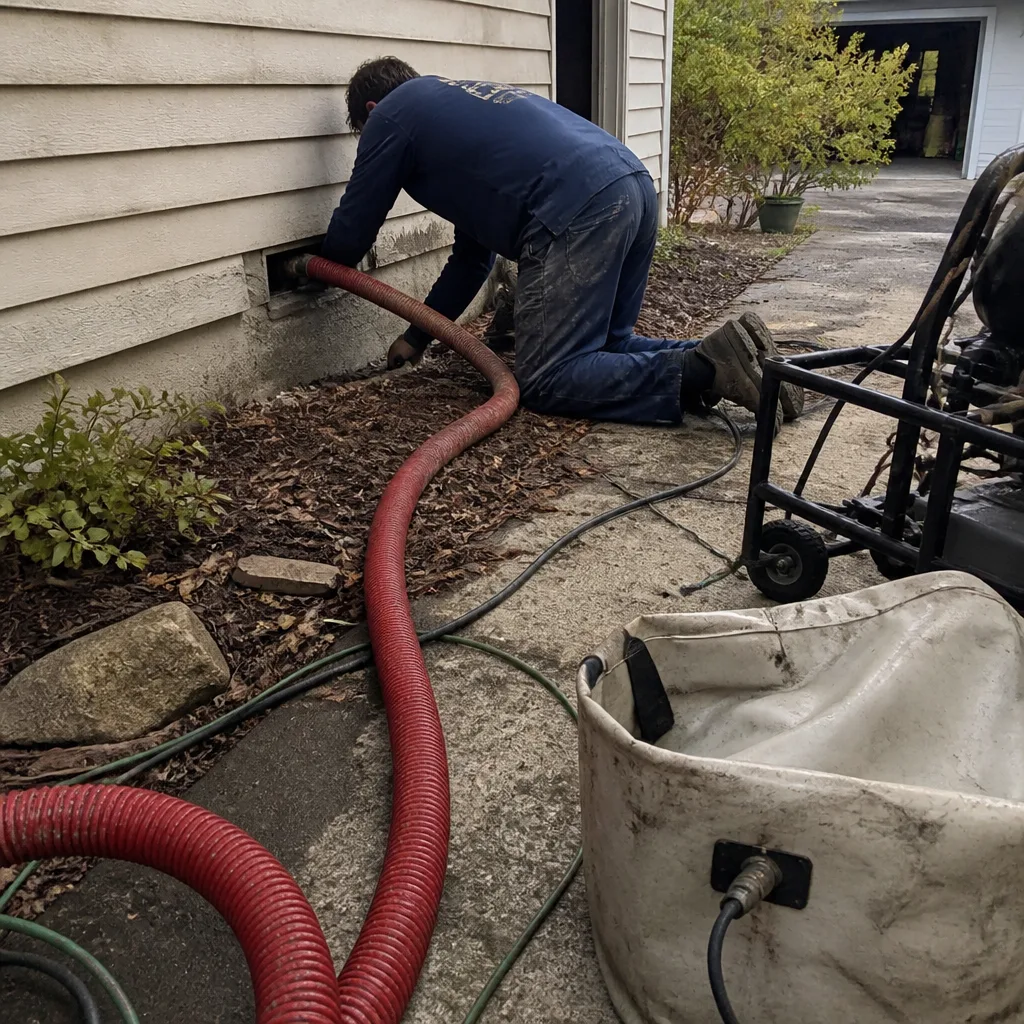 Before
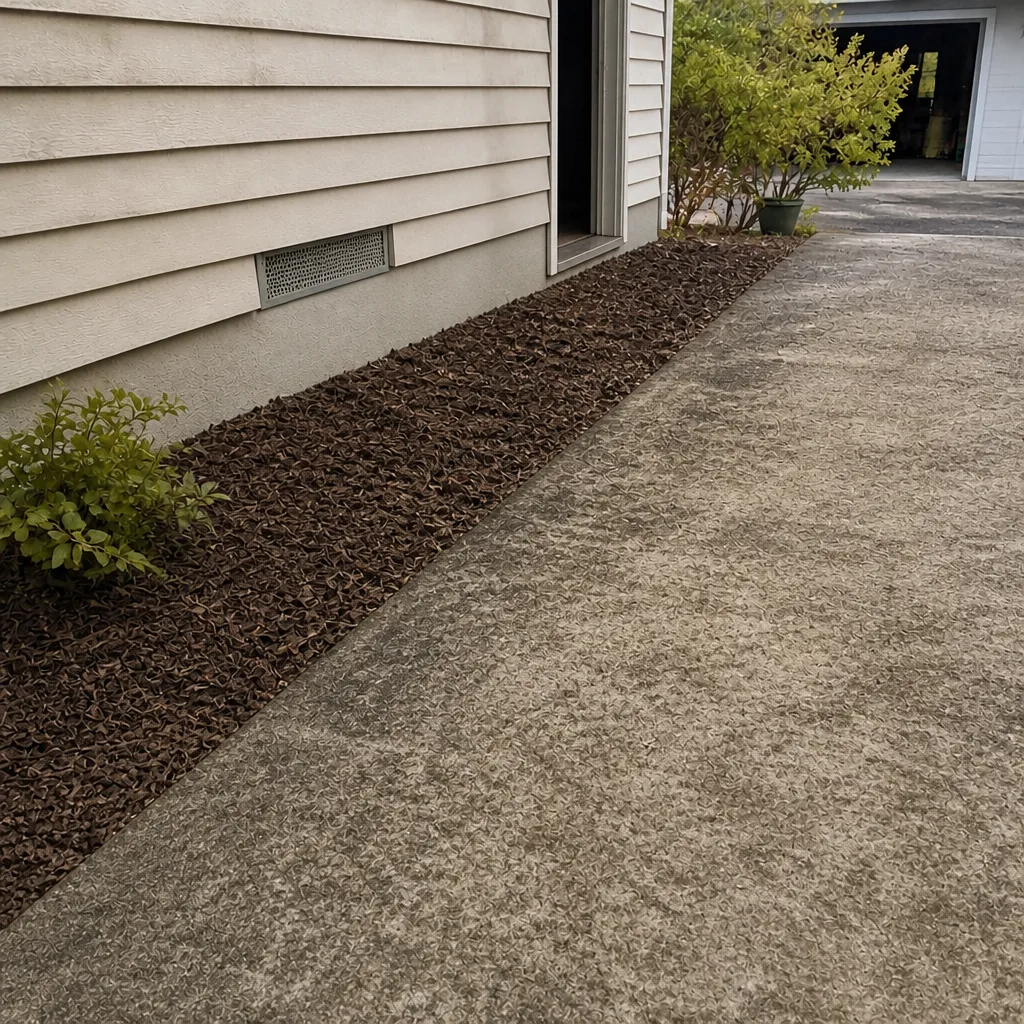 After
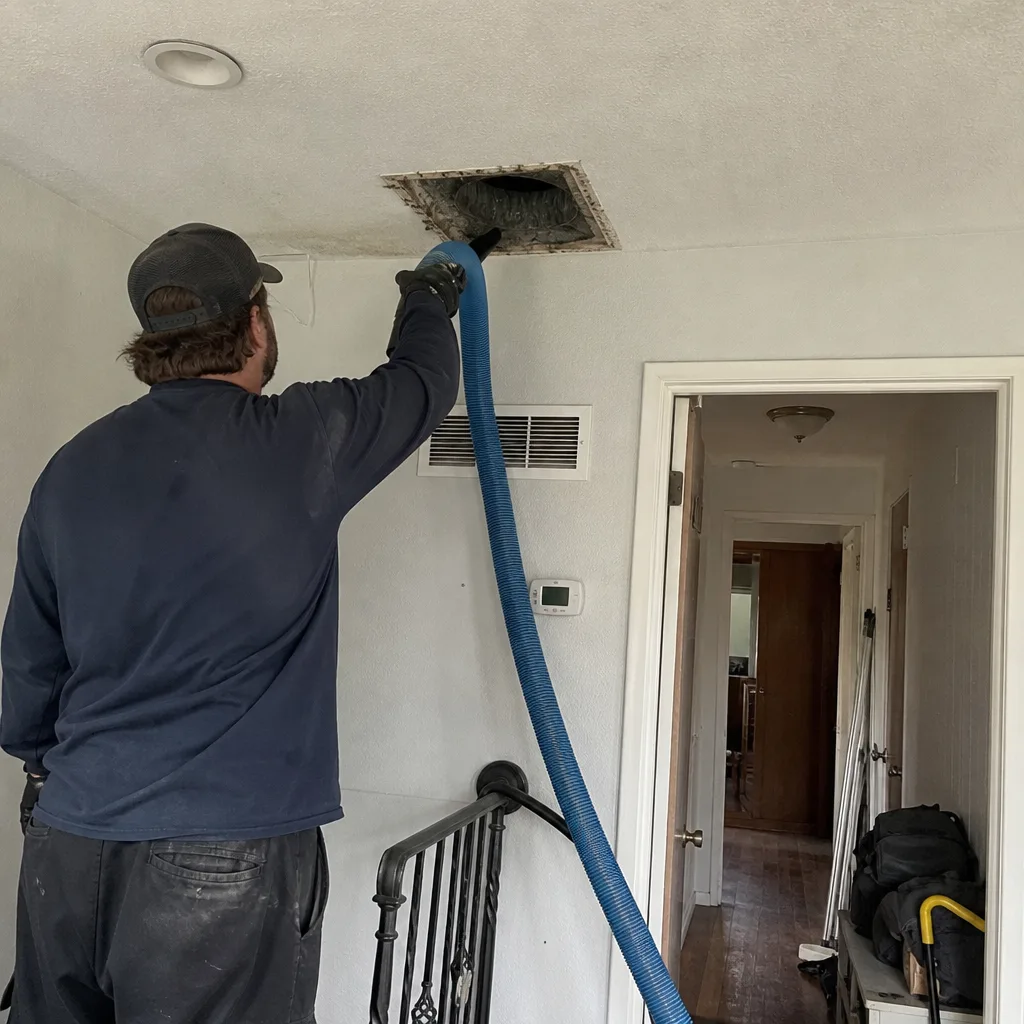 Before
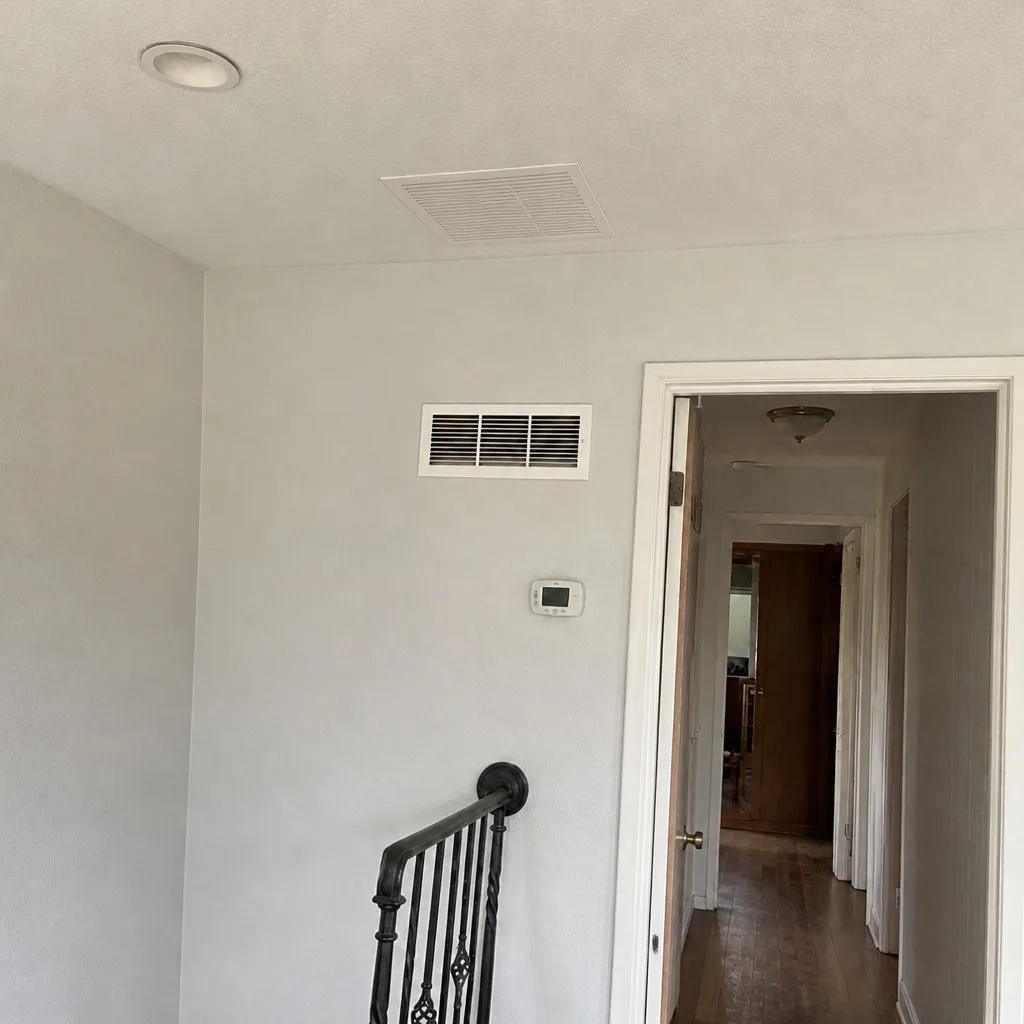 After
When to Call a Professional
Not every dusty home needs a duct cleaning. Some do need one, urgently. Call a professional if you’ve noticed a musty or earthy smell coming from the vents, visible dust puffing out of registers when the system starts, or a recent remodel that filled the return with drywall dust. Call if anyone in the home has allergies or asthma that seem worse indoors, or if you’ve recently bought a home in West Seattle and don’t know the history of the HVAC system. Call if your dryer takes two cycles to dry a load or the vent flaps outside don’t open. And call if you suspect mold growth inside the duct system, because that’s not a problem a filter will solve. Air Duct Cleaning West Seattle offers free estimates in West Seattle. Call (877) 492-4032.
Frequently Asked Questions
The cost varies by system, and the estimator sets the final price in writing before any work begins. Number of runs, duct material, access requirements, HVAC unit cleaning, and any repair and sealing all factor in. There’s no per-vent pricing and no coupon figure that becomes a larger invoice, which is the pattern to watch for. Call (877) 492-4032 for a free estimate on your specific home.
Cheap quotes usually describe a brush-and-blow job, not source removal. A shop vac and a handheld brush can make the vents look better without removing the debris from the system. Real source-removal cleaning uses professional negative-pressure equipment, opens access points, cleans the HVAC unit, and verifies the result. The price reflects the equipment and the time. Call (877) 492-4032 to see what a proper estimate covers.
Ask for before-and-after photographs of your own ducts, a walk-through of the cleaned system, and a written summary of what was cleaned and repaired. A real source-removal job leaves access points sealed, the system running, and a record in your hands. If the contractor can’t provide any of that, the work probably wasn’t done to standard. Call (877) 492-4032 to schedule an honest assessment.
Most homes in West Seattle don’t have a fixed schedule; it depends on the system and what’s happened in the home. Homes with pets, recent remodels, allergy sufferers, or a history of moisture issues in the ducts benefit from more frequent attention. A home that’s never had its ducts examined, especially an older West Seattle build, should be inspected before assuming a cleaning is or isn’t needed. Call (877) 492-4032 for a free estimate and a straight answer.
It changes what accumulates. The damp marine climate keeps indoor humidity higher for more of the year than drier inland regions, which creates conditions where dust clumps to duct walls and biological growth becomes possible. Cleaning here includes addressing moisture and filtration, not just removing dust. We stock and install air quality hardware from Air Duct Cleaning West Seattle‘s partner brands to help with that. Call (877) 492-4032 to talk through your system.
Yes. The service menu covers the entire air pathway: supply and return ducts, dryer vents, HVAC units, duct repair and sealing, and post-clean sanitizing, so you don’t need a second contractor. That’s the advantage of full-system scope with one crew. Call (877) 492-4032 to book a free estimate.
The Bottom Line
Air duct cleaning in West Seattle isn’t one job done one way. A pre-war Craftsman, a mid-century build, and a newer infill townhome each call for a different assessment, a different brush and containment strategy, and different attention to moisture. What doesn’t change is the standard: source removal using professional-grade negative-pressure equipment, a full air pathway from intake to output, in-house repair and sealing when the job turns up leaks, and a verification step that shows you the work before anyone leaves. If you want a contractor who can explain the equipment they use and walk you through the results, that’s the standard we hold. Call (877) 492-4032 for a free estimate. We answer 24/7. Fast dispatch from 7am to 7pm, Sunday through Friday.
Written by the team at Air Duct Cleaning West Seattle.