
Last updated November 22, 2026
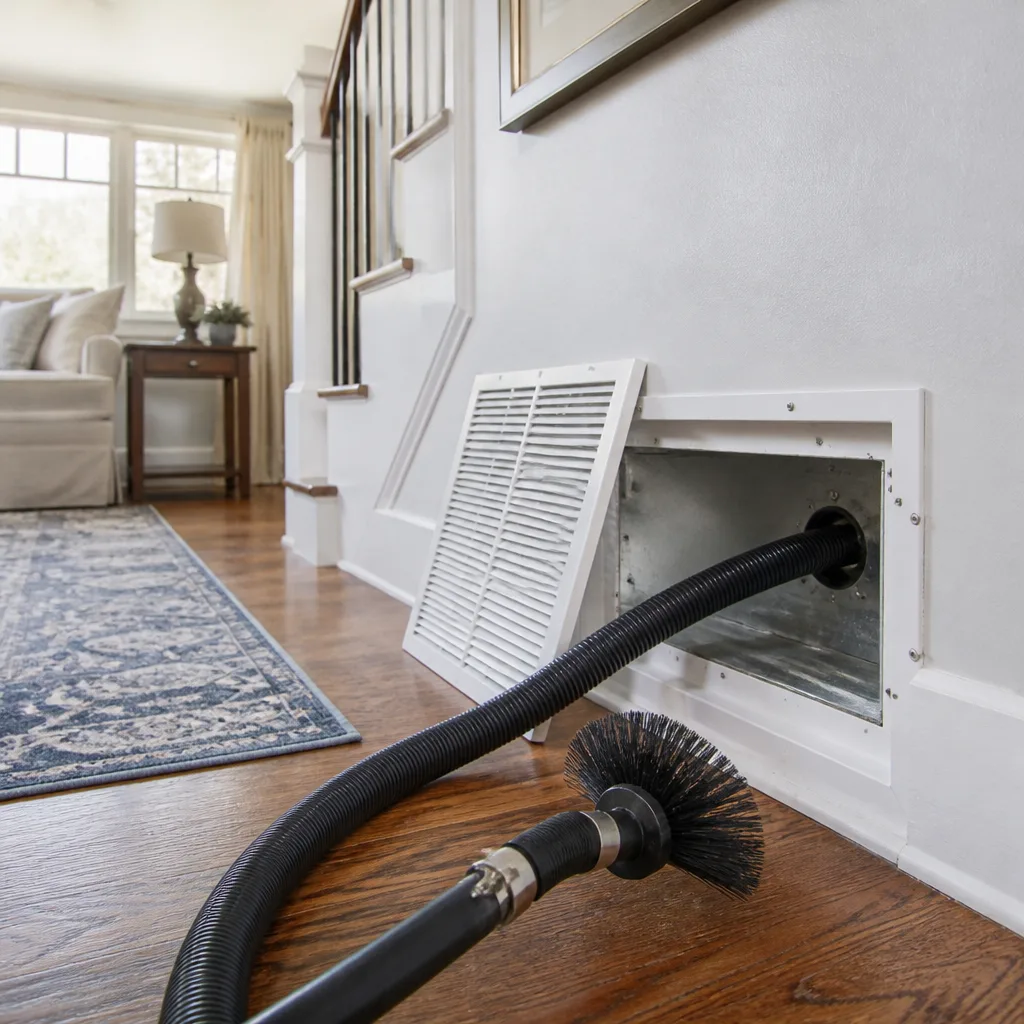 Whole-home duct cleaning
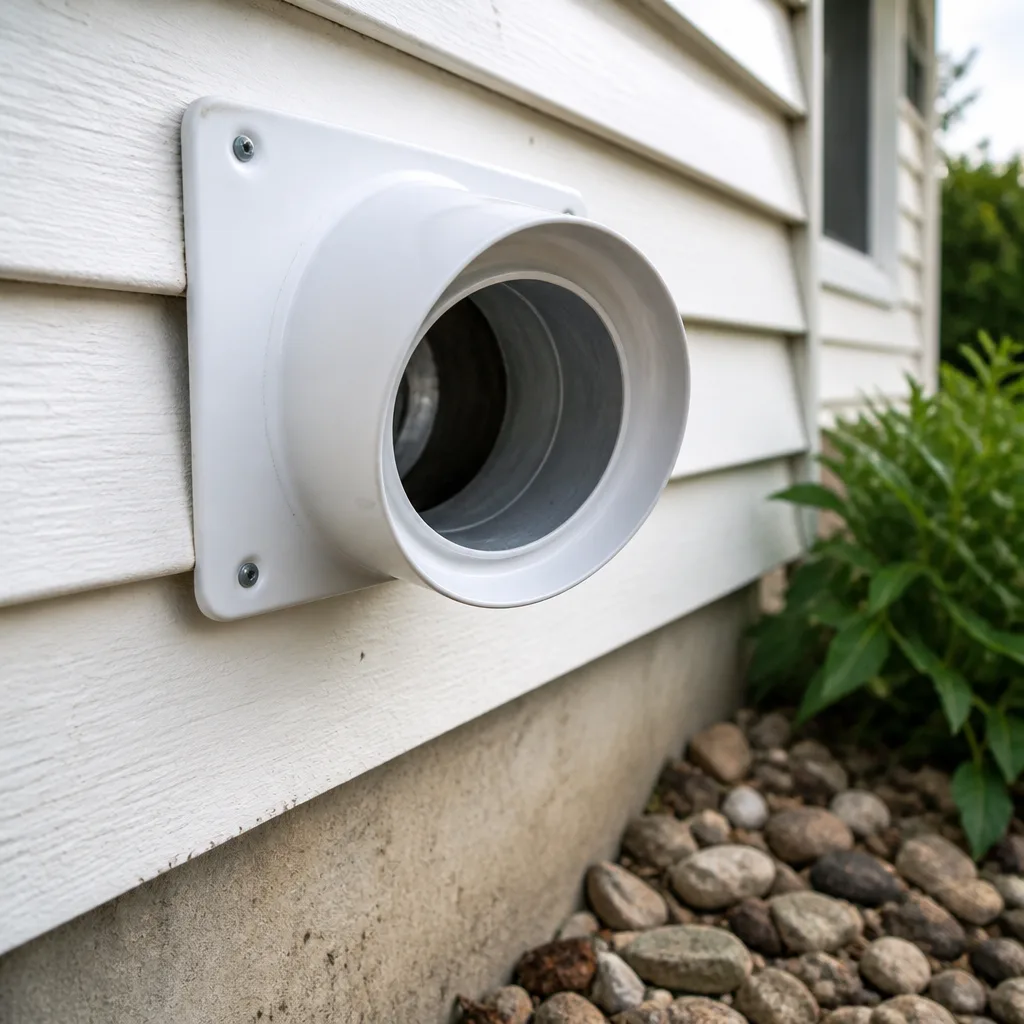 Dryer vent cleaning
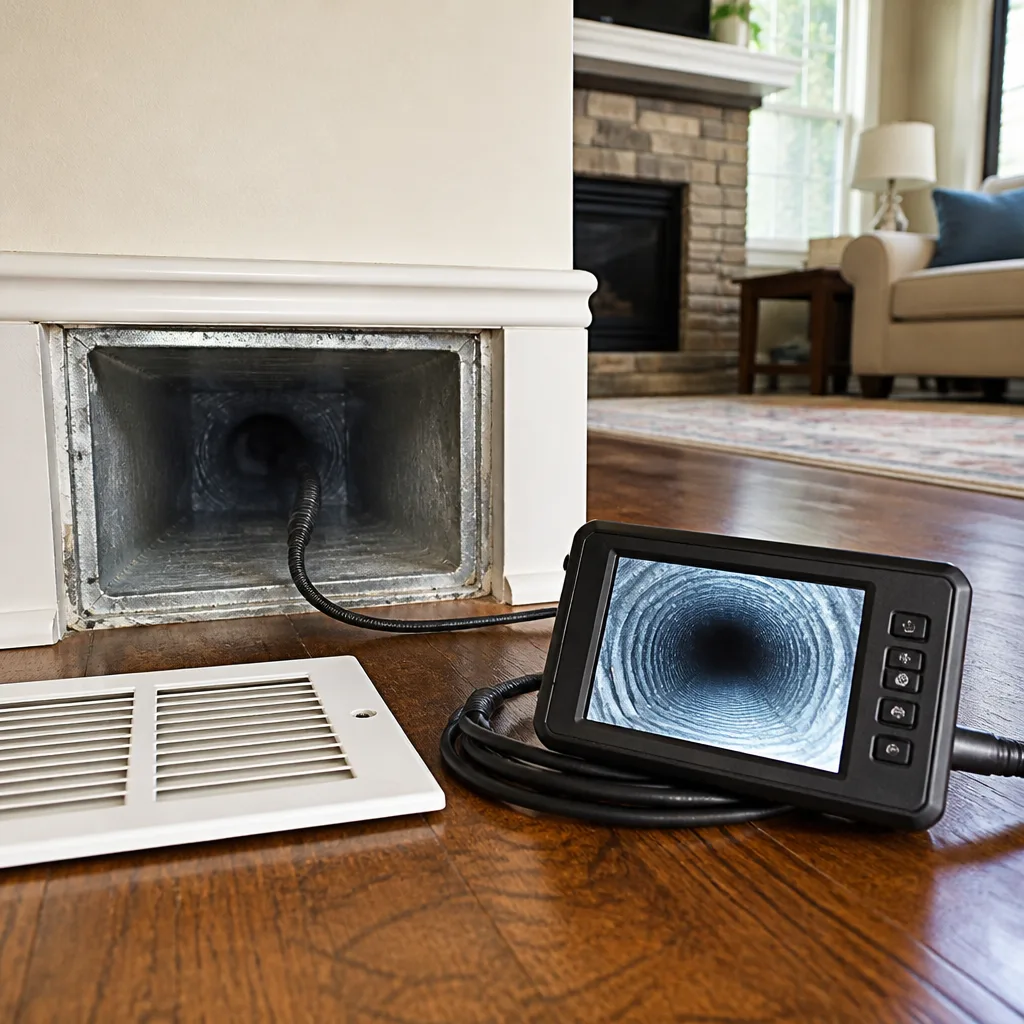 Camera inspection
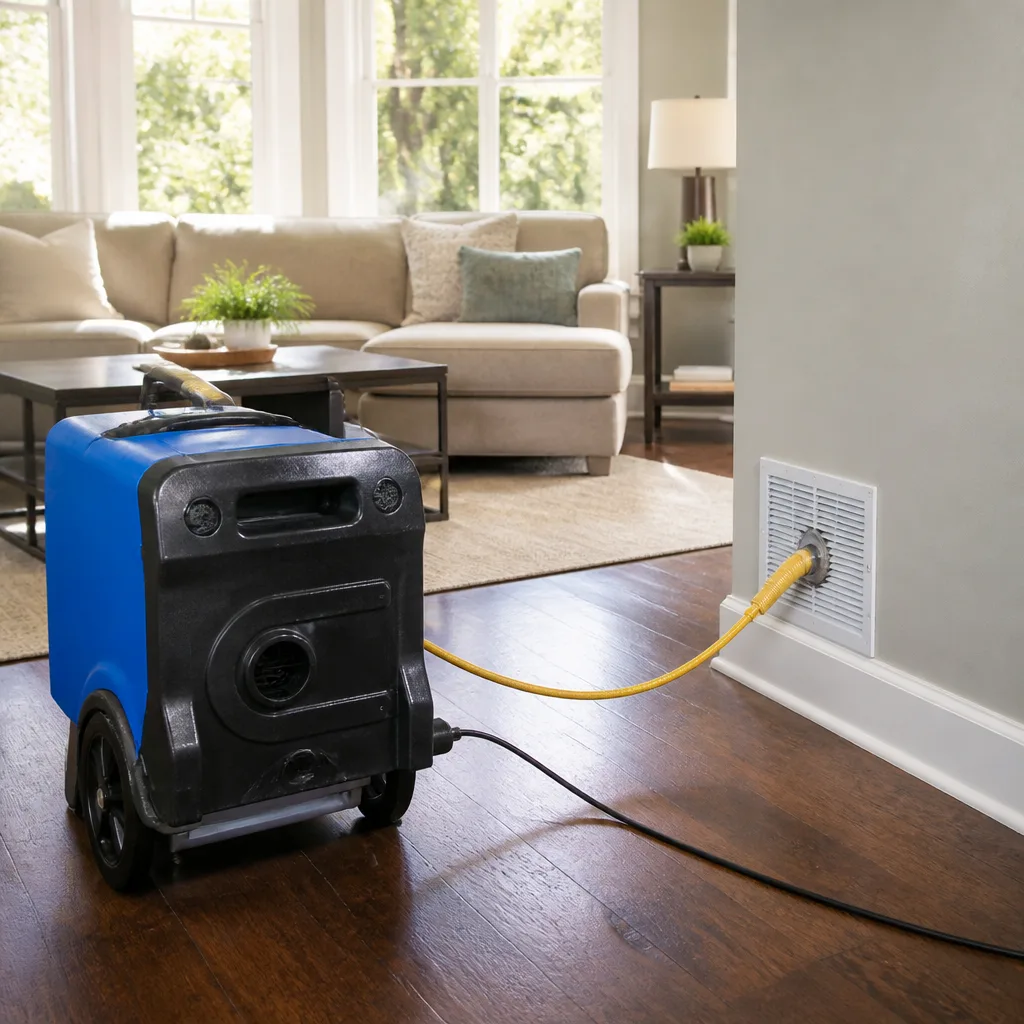 Sanitizing & deodorizing
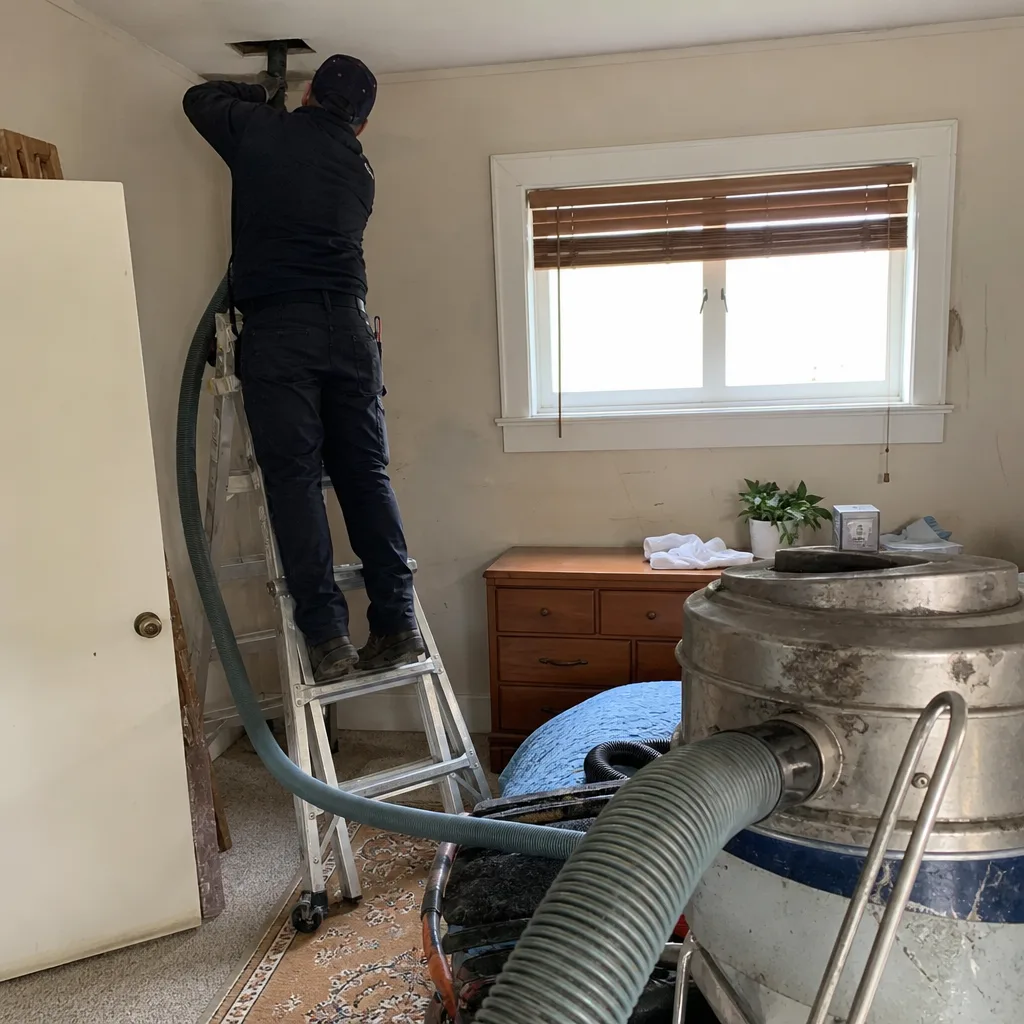
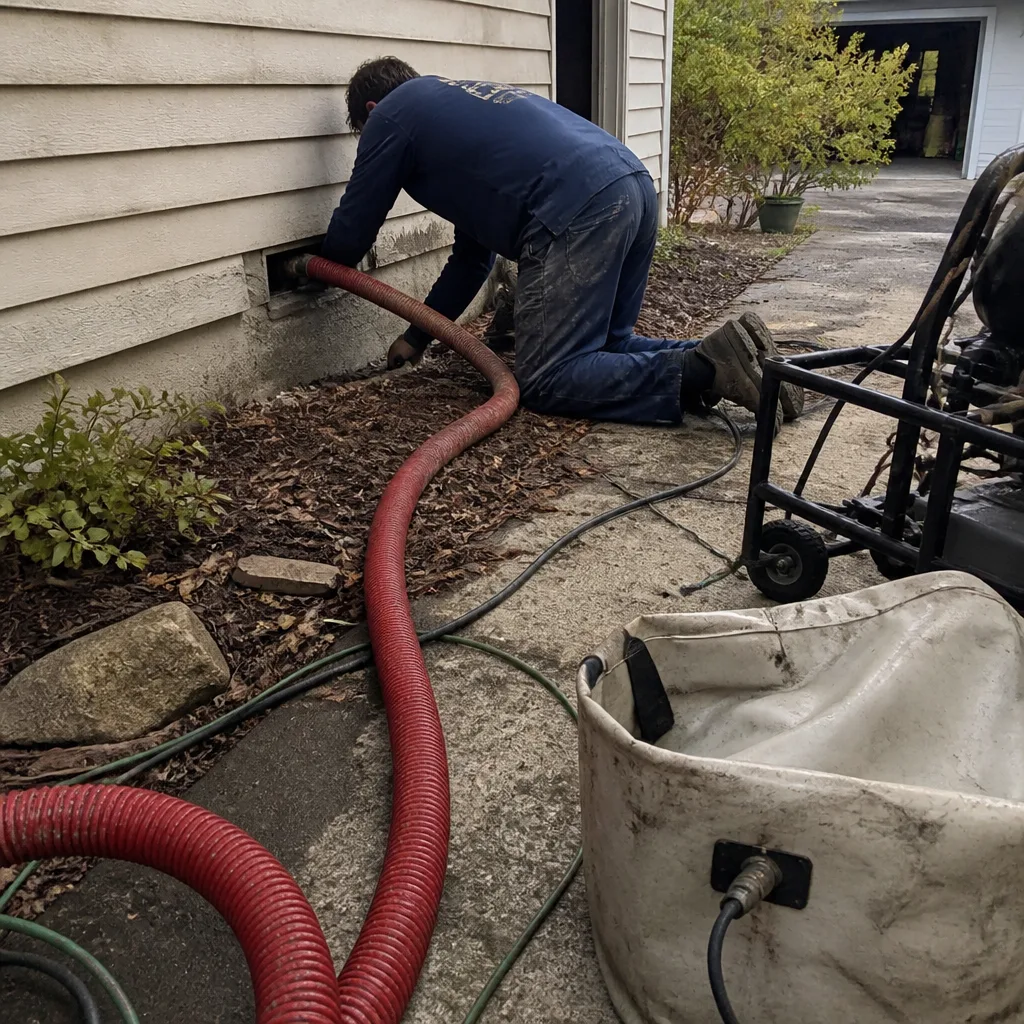
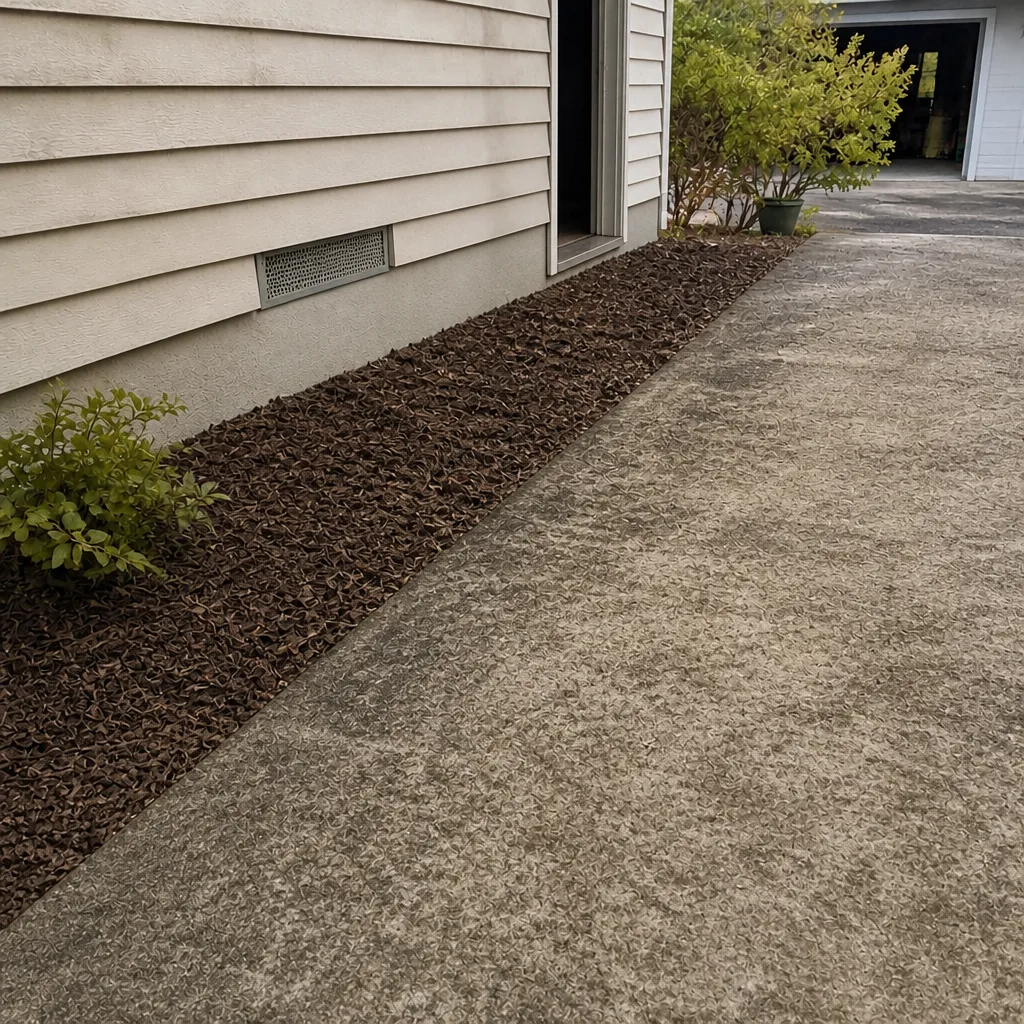
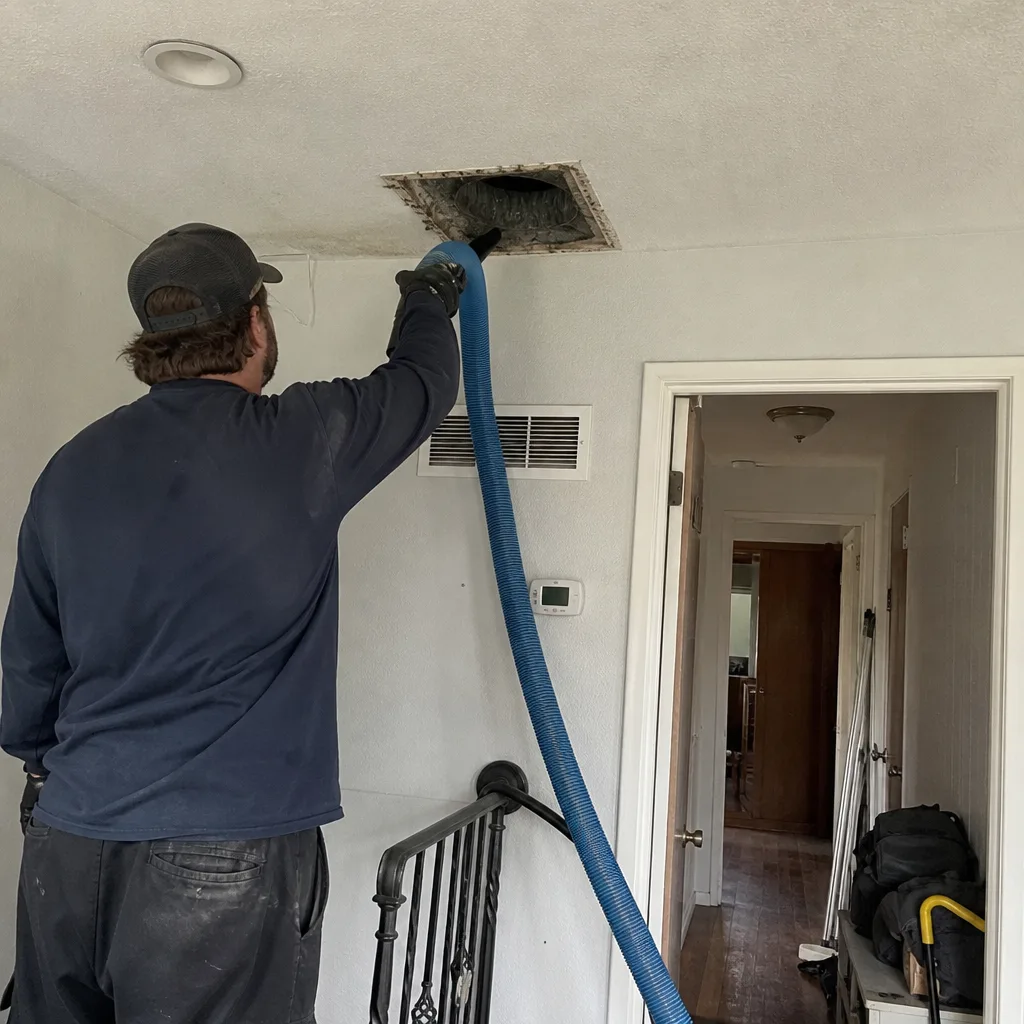
Whole-system duct and dryer vent check with before-and-after photos - you see exactly what came out of your vents
That "$99 whole-house special" is a bait ad - the real number appears once they are in your hallway, or the "clean" is a shop-vac at the register. We photograph the inside of your ducts before and after instead.
Choosing the Right Air Duct Cleaning Brand: A Buyer’s Guide for West Seattle
The most important brand decision in air duct cleaning isn’t which company you hire. It’s what equipment manufacturer’s machinery the technicians are operating, because that’s where the actual cleaning performance either exists or doesn’t. Two contractors can hand you the same price and deliver wildly different results depending on whether they show up with a rotary brush extraction system or a shop vac and a hose. This guide is written for West Seattle homeowners who are skeptical of low-bid cleaners and want to understand exactly what they’re paying for, from equipment specs to CFM ratings to the questions that expose a contractor who’s bluffing. By the end, you’ll know how to evaluate any company that knocks on your door.
Quick Answer
Choosing the right air duct cleaning company in West Seattle means evaluating their equipment, not their marketing. Ask what extraction system they use, whether it’s truck-mounted or portable, what CFM rating it carries, and which manufacturer makes it. Professional-grade equipment from brands like Rotobrush, Nikro, and Abatement Technologies is what industrial hygienists and HVAC professionals specify for remediation work. If a contractor can’t answer those questions with specifics, that tells you something. The right company will name their equipment, explain their process, and offer duct repair and sealing alongside cleaning so leaks don’t undo the work.
Styles & brands we work with
- Whole-home duct cleaning
- Dryer vent cleaning
- Camera inspection
- Sanitizing & deodorizing
Table of Contents
- What “Brand” Actually Means in Air Duct Cleaning
- The Equipment Brands That Set the Standard
- How to Ask a Contractor About Their Equipment
- Truck-Mounted vs. Portable: What the Specs Tell You
- Cutting Through Marketing Language
- Owned Equipment vs. Rented: How to Tell the Difference
- Why West Seattle Housing Demands More Capable Equipment
- Full-System Scope: Why Cleaning Alone Isn’t Enough
What “Brand” Actually Means in Air Duct Cleaning
When most homeowners hear “brand” in a service context, they think of the company’s logo, its reputation, its truck wrap. In air duct cleaning, that’s the least useful thing to focus on. The brand that matters is the equipment manufacturer, because that’s the machinery that does the actual work inside your ductwork and determines whether contaminants leave your home or just get stirred up and redistributed.
Consider what happens during a cleaning. Debris, dust, dander, and whatever else has accumulated in your supply and return ducts needs to be dislodged from surfaces and then captured in a filtration system so it doesn’t end up in your living room air. Two separate capabilities are required: agitation (loosening the material from duct walls) and extraction (pulling it into a contained system). Consumer-grade vacuums fail at both. They don’t generate enough suction for the length and complexity of residential duct runs, and the brushes attached to a shop vac can’t reach around bends or scrub surfaces the way a rotary brush system does.
Industrial hygienists and HVAC professionals know this. When they specify equipment for remediation projects, when they evaluate air quality in commercial buildings, when they write standards for how duct cleaning should be performed, they reference specific manufacturers and equipment categories. That’s the brand language worth learning. A company that operates Rotobrush rotary brush systems and Nikro HEPA-filtered extraction equipment is speaking the same language those professionals use.
Here’s the practical takeaway: you don’t need to become an equipment expert. You need to know enough to ask the right questions and recognize a real answer. That’s what the rest of this guide gives you.
The Equipment Brands That Set the Standard
Walk into a conversation with an air duct cleaning contractor and mention these names. If the person you’re talking to recognizes them and speaks about them with technical familiarity, you’re dealing with someone who knows the trade. If they draw a blank, that’s information too.
Rotobrush makes rotary brush extraction systems that are widely used by professionals doing residential duct cleaning. The rotary brush design is the key: the brush spins inside the duct, scrubbing all surfaces as it advances through the run, while an attached vacuum pulls loosened material into a collection system. This isn’t a brush on a stick. It’s a motorized system designed for the specific geometry of residential ductwork. When we talk with homeowners about what actually happens inside their ducts during a cleaning, this is the equipment we’re describing.
Nikro is a manufacturer of HEPA-filtered vacuum equipment. The HEPA filtration piece is crucial because it determines what happens to the air after it’s been pulled from your ducts. A system without proper filtration pushes fine particulate back into the environment. HEPA filtration captures particles at a size that matters for indoor air quality, which is why it shows up in remediation work and healthcare settings. For anyone with allergy concerns, this is the detail to ask about.
Abatement Technologies equipment signals capability for contamination and particulate control beyond routine cleaning. When a duct system has elevated mold, rodent contamination, or other material that requires careful containment, this is the class of equipment that handles it. Not every job needs this level of control, but a company that has it on hand can address problems a basic cleaner can’t.
Guardsman rounds out the picture with cleaning and sanitizing products designed for HVAC applications. Post-clean sanitizing is a step a lot of contractors skip because it requires a separate product application and dwell time.
The standard these brands represent isn’t marketing. It’s the equipment category that professional organizations and remediation specialists reference when they describe how the job should be done. Whether a contractor uses these specific brands matters less than whether they operate equipment in this class and can explain its capabilities.
How to Ask a Contractor About Their Equipment
Most homeowners don’t know what to ask, so contractors who cut corners rely on that. Here’s a numbered list of questions that will reveal exactly what kind of operation you’re dealing with. Ask them before you book, not when the technician is already in your driveway.
- What extraction equipment do you use, and who manufactures it? Listen for a specific brand name. If the answer is vague (“professional-grade equipment” or “the best on the market”), press for the manufacturer. If they still can’t name it, ask if they use a rotary brush system or just vacuum extraction.
- Is your equipment truck-mounted or portable? Both can be legitimate, but they serve different purposes. Ask which they’re bringing to your home and why.
- What CFM rating does your vacuum system carry? CFM stands for cubic feet per minute and measures airflow. Higher CFM means stronger extraction and less chance of material settling back into the duct. A contractor who can’t tell you their CFM rating either doesn’t know their equipment or doesn’t want you to know.
- What type of brush or agitation system do you use inside the ducts? Rotary brush systems are the standard for residential work. Ask whether the brush contacts all sides of the duct as it moves through the run.
- How do you contain particulate during the cleaning? HEPA filtration is the answer you want to hear. Ask if their system filters the exhaust air.
- Do you inspect the ducts before and after? Before-and-after photos of your own system are a reasonable request. A contractor confident in their equipment and their work will document it.
- Do you offer duct repair and sealing? Cleaning a system with leaks means the work doesn’t hold. If they only clean and don’t address breaches, ask who you’d call to fix them and why it isn’t them.
Write those questions down. Any contractor worth hiring will appreciate them.
Truck-Mounted vs. Portable: What the Specs Tell You
The heated debate in the industry about truck-mounted versus portable equipment misses the point for most residential jobs. What matters is whether the equipment is professional-tier in either category, and whether the contractor can explain the tradeoffs honestly.
Truck-mounted systems generate high CFM because the vacuum unit connects to a large power source in the vehicle. They’re the standard for commercial work and large-scale projects. For a typical residential job, a truck-mounted system can be overkill, but the high airflow is a genuine advantage when duct runs are long or a system has heavy accumulation.
Portable professional systems have improved dramatically in the last decade. A Rotobrush unit is portable and designed specifically for residential duct cleaning, combining rotary brush agitation with the extraction capacity of much larger systems. The right portable equipment can handle most residential jobs in West Seattle without dragging a full truck setup into the picture.
What you don’t want is a contractor who shows up with consumer equipment – a shop vac, a hose, and a handful of brushes – and calls it professional cleaning. That equipment can’t generate the pressure or the airflow required to dislodge material from duct surfaces, and it can’t contain fine particulate. When we describe our work, we’re specific about equipment because the specifics are what make the difference in the result.
A useful question during this part of the conversation: “What would you recommend for our home, given what you see at the inspection?” A contractor who gives a thoughtful answer based on the age of the system, the length of duct runs, and the visible condition is demonstrating the expertise that specialist brands represent. A contractor who says “same thing we do for everyone” is telling you they aren’t evaluating your system at all.
Cutting Through Marketing Language
Words like “hospital-grade,” “military-grade,” “eco-safe,” “green-clean,” and “powerful” mean nothing without a specification attached. They’re marketing copy, not technical descriptions. If a company can’t back up their language with an equipment manufacturer, a CFM rating, or a filtration standard, the words are decoration.
Here’s how to translate:
- “Hospital-grade cleaning” – which equipment manufacturer, and what filtration standard does it meet? HEPA is a specific standard; “hospital-grade” is not.
- “Powerful vacuum” – what CFM? A shop vac and a professional extraction system are both vacuums. Only one moves enough air to clean a full duct run.
- “Eco-safe cleaning products” – what products, applied in what sequence, with what dwell time? A sanitizing step that’s specified and applied correctly is worth more than an eco label.
- “Professional-grade equipment” – which brands, and what are the specs? Ask for names.
- “Complete cleaning” – which parts of the system? Supply ducts, return ducts, HVAC unit, dryer vent? “Complete” without a scope list is a phrase, not a service.
What you want to hear is specific and verifiable. “We use Rotobrush rotary brush extraction with a portable unit, HEPA-filtered Nikro vacuum for containment, and we sanitize after cleaning with Guardsman products.” That sentence tells you more about capability than any adjective could. The team behind Air Duct Cleaning West Seattle talks this way because the equipment is what determines the outcome, not the slogan.
Marketing language also shows up in how companies position their scope. “We clean your ducts” is generic. “We clean supply and return ducts, the HVAC unit, and the dryer vent, and we offer duct repair and sealing” tells you the actual work. When you compare quotes, compare scopes, not taglines.
Owned Equipment vs. Rented: How to Tell the Difference
There’s a category of duct cleaning “company” that rents consumer equipment for each job. They show up with a rented shop vac or a rented consumer extractor, do a surface-level pass, collect a payment, and are gone. The equipment isn’t maintained, the operator isn’t trained on it, and the result doesn’t hold. Distinguishing these operators from serious contractors takes a few direct questions.
- Ask who services their equipment and when it was last maintained. Companies that own professional equipment have a maintenance schedule. They can tell you about service intervals, filter replacement, and calibration.
- Ask how their equipment was chosen. A contractor who owns equipment talks about why they selected it. They know the capabilities and the limits. A rented-equipment operator can’t answer this because the equipment varies job to job.
- Ask for a demonstration or at least a walk-through of the equipment. Not a sales pitch, just a brief explanation of what the machine does. Owning the equipment means being able to show it.
- Ask about their scope of services. Full-service contractors own and operate equipment across a range of services because buying the equipment only makes sense if you’re using it consistently. If a company only cleans ducts and offers nothing else, ask why.
- Ask how they document the work. Before-and-after photos of your specific system are easy to take when you have a real workflow. Operators who don’t document are often protecting themselves from comparison.
The team that handles air duct cleaning as we do invests in professional equipment because the work justifies it. That’s a business decision, and it tells you something about what kind of company is showing up.
Why West Seattle Housing Demands More Capable Equipment
West Seattle isn’t a market where a light surface cleaning gets the job done. The combination of older housing stock and a wet climate creates conditions that demand more from cleaning equipment than newer construction in drier regions would.
A significant portion of West Seattle homes were built before duct cleaning standards were even discussed, and many have been through multiple HVAC upgrades, additions, and system modifications. Older ductwork often has sections of flex duct, transitions between materials, and leaks at seams and joints that a shop vac can’t address and that a thorough cleaning should document. The ducts in West Seattle homes are often longer and more complex than the short, straight runs found in newer builds in other regions.
The climate matters too. West Seattle’s wet winters mean humidity in the duct system during much of the year. Moisture plus organic dust is a recipe for microbial growth inside ductwork. Cleaning that doesn’t address the moisture source – and that doesn’t sanitize after the fact – is leaving a problem in place. Equipment that includes HEPA filtration and is paired with a sanitizing step is the category that handles this condition.
Neighborhoods like Alki, Admiral, and Fauntleroy have their own characteristics. Homes near the water see higher ambient humidity, while homes in the hills have different airflow patterns. A contractor who treats every job the same is missing the specifics of the housing and the environment. Equipment capable of addressing West Seattle conditions isn’t a luxury; it’s the minimum for a job that actually holds.
The second homes and rental properties common in the area add another layer. Owners aren’t always on site, which makes before-and-after documentation and a clear scope of work more important. The scope of service offered by dryer vent cleaning and duct work in West Seattle should be spelled out in writing before anything begins.
Full-System Scope: Why Cleaning Alone Isn’t Enough
The duct system is one pathway among several that make up your home’s air movement. A cleaning that addresses the supply ducts but ignores the return side, the HVAC unit, and the dryer vent is a partial job. And if the ducts have leaks or breaches, the cleaning result leaks right back out.
Consider the full air pathway from intake to output:
- Return ducts pull air in from your living space and are often larger and more accessible than supply runs, but they collect just as much debris.
- Supply ducts carry conditioned air from the HVAC unit to your rooms. These are typically insulated, sometimes flex, and prone to leaking at joints.
- The HVAC unit itself – the blower, the coil, the cabinet – is part of the air pathway. Cleaning the ducts without addressing the unit leaves material just upstream of where it matters.
- The dryer vent is a separate pathway, but it shares the particulate accumulation issue and is a fire-safety concern if it’s restricted.
- Duct repair and sealing addresses leaks and breaches so that cleaned air stays where it’s supposed to be.
- Post-clean sanitizing addresses what remains on surfaces after the cleaning and the moisture conditions in West Seattle ducts.
When a company does all of these, you don’t have to coordinate multiple contractors or wonder who’s responsible when a duct has a breach after the cleaning. That’s a meaningful advantage for anyone who wants the job done once. When we describe HVAC cleaning as part of the full pathway, that’s what we mean: every component that moves air through your home, addressed in one scope.
The duct repair and sealing piece is where many contractors fall short. Cleaning is the visible service; sealing is the repair work that makes the cleaning last. A company that cleans but doesn’t seal is intentionally leaving the second half of the work for someone else. The brand standard isn’t “we clean your ducts.” It’s “we seal what we find.”
Quick Reference: The Equipment Questions That Matter
If you only remember one part of this guide, make it this list. These are the questions to ask any air duct cleaning contractor in West Seattle before you book.
- What extraction equipment do you use, and who is the manufacturer?
- Is it truck-mounted or portable, and which are you bringing to my home?
- What is the CFM rating of your vacuum system?
- Does your system include HEPA filtration for the exhaust air?
- What type of agitation (rotary brush, air whip, contact) do you use?
- Do you offer duct repair and sealing in-house, or would I need a second contractor?
- Do you sanitize after cleaning, and with what products?
- Will I receive before-and-after photos of my own ductwork?
- How do you document the scope of work before starting?
- What is your process if you find contamination that requires specialized handling?
Ten questions, ten answers. If a contractor can answer all ten specifically, you’ve found a serious operation. If they can’t answer half of them, keep looking.
Common Mistakes to Avoid
These are the mistakes we see homeowners make most often when hiring for duct cleaning. Each one costs money or leaves the job unfinished.
- Comparing quotes without comparing scopes. A $99 quote and a $400 quote aren’t the same job. One is a vacuum pass; the other is full extraction, sanitizing, and documentation. Ask each contractor to write down exactly what they’ll do, then compare the lists. In West Seattle’s older homes, the scope gap between cheap and thorough is often significant.
- Accepting “hospital-grade” or “military-grade” as though they mean something. Those words have no standard behind them in duct cleaning. Ask for equipment manufacturer names and CFM ratings instead. A HEPA filtration standard is verifiable; an adjective isn’t.
- Not asking whether the company owns or rents their equipment. Rented consumer equipment can’t clean a duct system the way professional equipment can. Ask the direct question and listen for a direct answer.
- Skipping the duct sealing conversation. Cleaning a leaky system and skipping the repair work means the result doesn’t hold. In West Seattle homes with older ductwork, breaches and seam leaks are common. Ask whether duct repair and sealing is part of the scope or available in-house.
- Assuming the dryer vent is fine because the ducts were cleaned. The dryer vent is a separate pathway and a separate fire-safety concern. If it hasn’t been addressed, it’s part of the job you’re still missing.
- Not asking for before-and-after photos of your own system. Documentation is easy for a serious contractor and easy to skip for a quick one. Photos of your specific ducts, not stock photos, are the record of what was actually done.
- Booking based on price alone. Duct cleaning is an equipment-and-expertise service. Price correlates with scope and capability. The contractor who can name their equipment, explain their process, and document the work is the one whose price reflects what the job actually requires. In West Seattle’s climate and housing, that capability difference shows up in the result.
See the difference
 Before
 After
 Before
 After
 Before
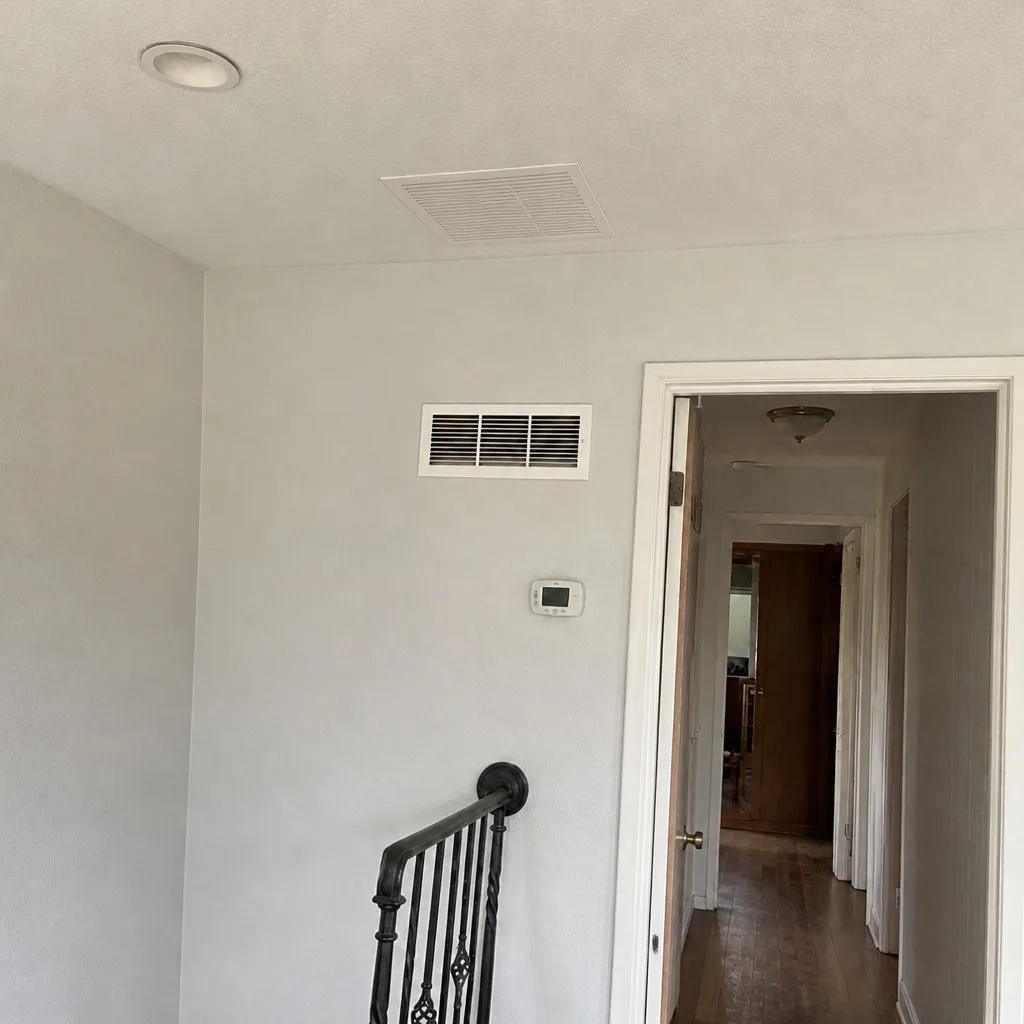 After
When to Call a Professional
Some conditions are clear calls for professional cleaning. If you’re moving into a home in West Seattle with an HVAC system you didn’t install, a professional inspection and cleaning is worth doing before you settle in. If anyone in the household has significant allergies or respiratory concerns, the air pathway deserves a professional look. If you see visible dust blowing from vents when the system runs, if the HVAC unit is producing musty odors, if the dryer takes two cycles to dry a load, or if the home has been through renovation work that could have introduced construction dust into the ducts, those are clear signals. If it’s been several years since the ducts were last cleaned, professional inspection will tell you whether cleaning is actually needed. Duct breaches and leaks are their own trigger: a system that’s leaking needs repair and sealing alongside cleaning. Air Duct Cleaning West Seattle offers free estimates in West Seattle – call (877) 492-4032. We answer 24/7. Fast dispatch from 7am to 7pm, Sunday through Friday.
Frequently Asked Questions
The best company is the one that operates professional-tier equipment, can name it and explain it, and offers full-system scope including duct repair and sealing. The way to find it is to ask the equipment questions in this guide. Verifiable answers are the best indicator of a serious operation. Our technicians have up to 8 years of experience, and we operate Rotobrush and Nikro equipment on every job. Call (877) 492-4032 for an exact quote – estimates are free.
Look for professional-tier equipment from manufacturers that industrial hygienists and HVAC professionals reference for remediation work, including Rotobrush for rotary brush extraction and Nikro for HEPA-filtered vacuum equipment. Abatement Technologies equipment indicates capability for elevated contamination scenarios. What matters is the equipment category and the contractor’s ability to explain its specs, not the logo on the truck.
Cost depends on the size of the system, the number of duct runs, whether duct repair and sealing is needed, and the condition of the ducts. The written estimate sets the final price, and we set one flat price per system agreed before work begins – no per-vent pricing. Estimates are free. Call (877) 492-4032 for a quote specific to your home.
Cheap quotes usually reflect cheaper equipment and a narrower scope. A vacuum pass with consumer equipment costs less to deliver than a full extraction with professional equipment, sanitizing, and documentation. The lower quote isn’t a discount; it’s a different, smaller job. Ask what equipment and what scope is behind each price before you compare numbers. Call (877) 492-4032 if you’d like a scope written out for your home.
Ask for before-and-after photos of your own ductwork, not stock photos. A serious contractor documents the work because they have a workflow for it. If you don’t receive documentation, ask for it before the technician leaves. We provide photos of your own system as part of the job. Call (877) 492-4032 to book an estimate.
There’s no universal schedule. The interval depends on the home, the number of occupants, pets, renovation work, and whether the system has leaks. Most homes benefit from periodic inspection and cleaning on a schedule that matches the conditions. In West Seattle’s older housing stock and wet climate, professional inspection is the way to know whether cleaning is needed. Call (877) 492-4032 and we can help you decide.
The Bottom Line
The most useful brand question in duct cleaning isn’t which company you hire. It’s what equipment the company operates, because that’s where cleaning performance lives. A contractor with professional-tier Rotobrush, Nikro, and Abatement Technologies equipment, who can explain CFM ratings and filtration specs, and who offers duct repair and sealing alongside cleaning is a fundamentally different operator than one who shows up with a shop vac and a coupon. West Seattle’s older housing and wet climate make capable equipment more important here than in markets with newer construction. Ask the questions in this guide. Compare scope, not slogans. And if you want a straight conversation about what your system needs, call (877) 492-4032. We answer 24/7. Fast dispatch from 7am to 7pm, Sunday through Friday. Estimates are free, and we set one flat price per system before any work begins.
Written by the team at Air Duct Cleaning West Seattle.