
Last updated November 22, 2026
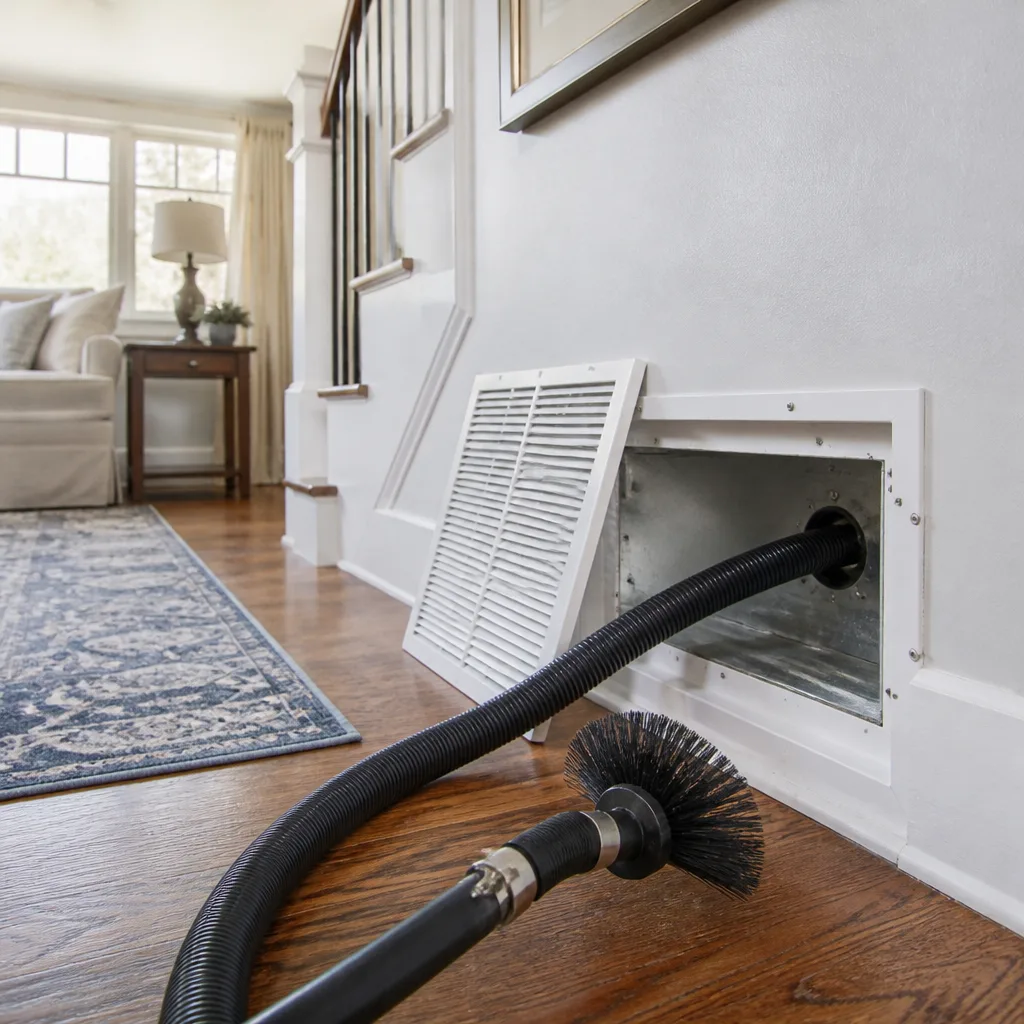 Whole-home duct cleaning
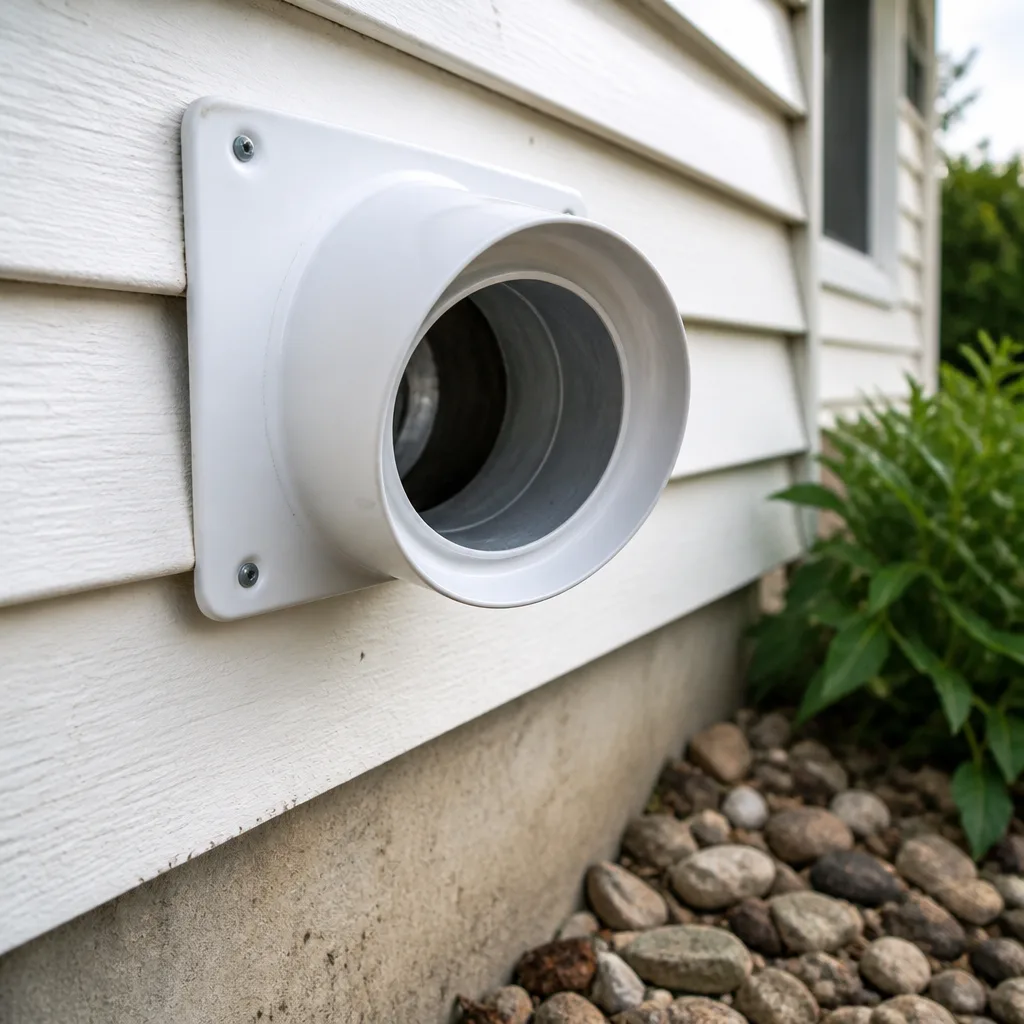 Dryer vent cleaning
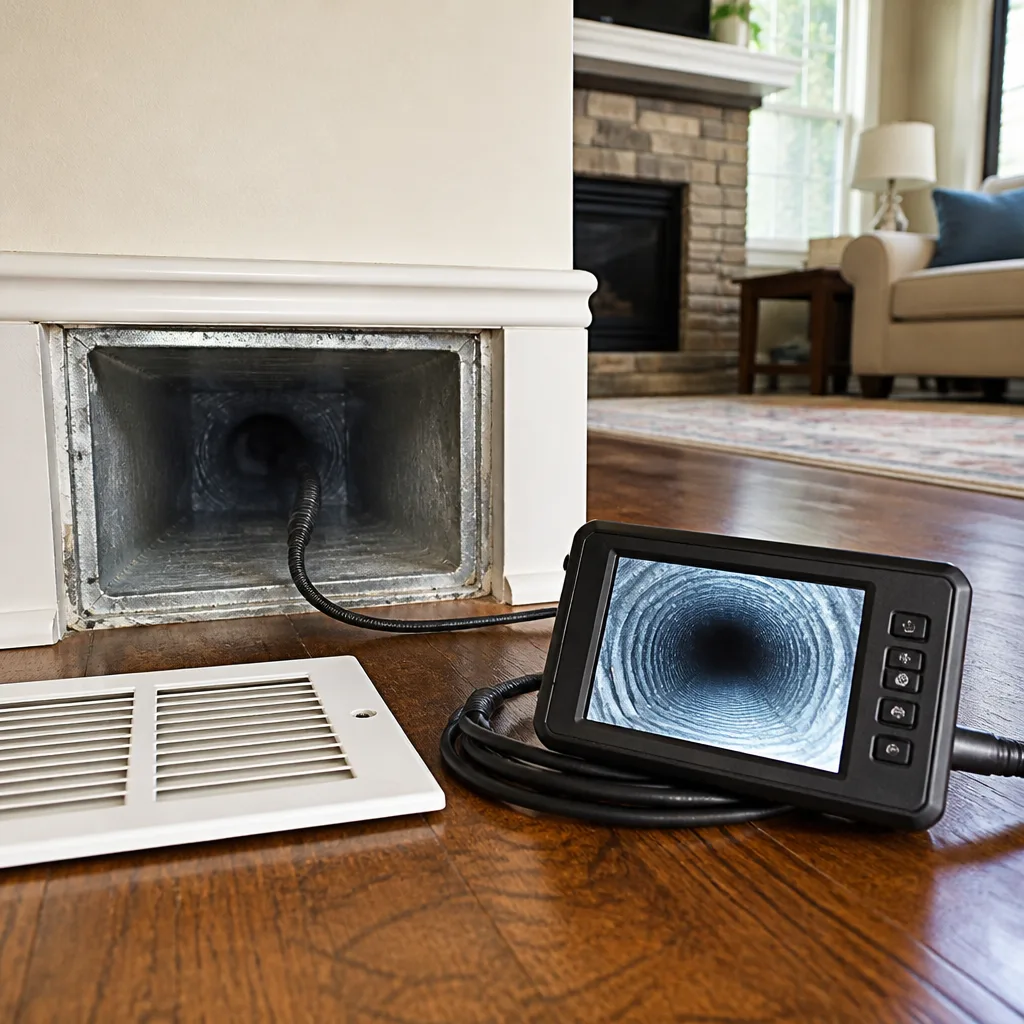 Camera inspection
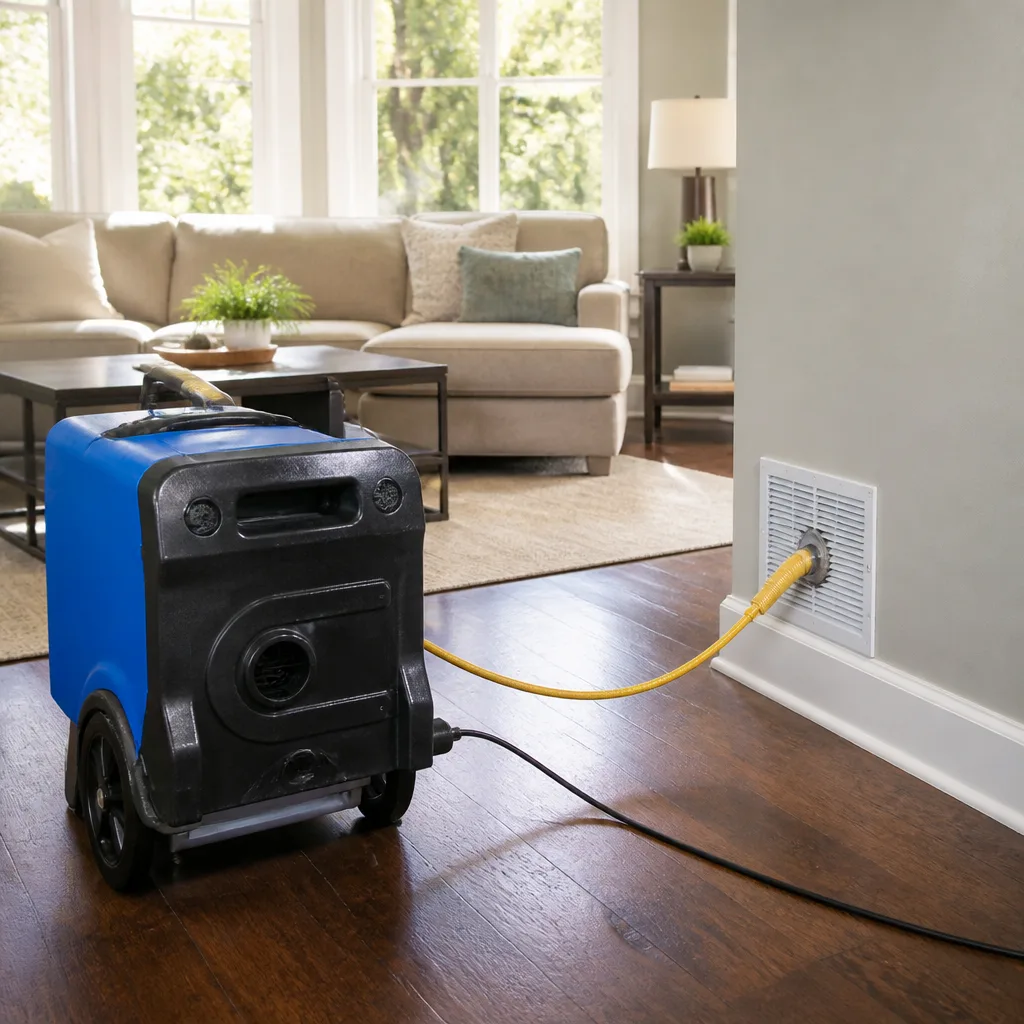 Sanitizing & deodorizing
Whole-system duct and dryer vent check with before-and-after photos - you see exactly what came out of your vents
That "$99 whole-house special" is a bait ad - the real number appears once they are in your hallway, or the "clean" is a shop-vac at the register. We photograph the inside of your ducts before and after instead.
Air Duct Cleaning Troubleshooting in West Seattle: Common Problems and How to Fix Them
If your home still smells musty two days after a professional duct cleaning, the technician likely cleaned the trunk lines and skipped the branch runs. That shortcut is more common than the industry admits, and it explains most of the complaints homeowners call us about. The ducts look clean at the main plenum. The air still carries a smell. The furnace filter loads up again in weeks instead of months. None of that is random, and none of it means duct cleaning doesn’t work. It usually means the cleaning was incomplete, or the wrong method was used for the duct type in the house. This guide shows West Seattle homeowners how to read those signals, test their own airflow, and ask the right questions before booking a callback.
Quick Answer
Most post-cleaning problems in West Seattle fall into four buckets: dust disturbance that settles within a few days, debris left in branch runs the equipment never reached, flexible duct damaged by too much air pressure, and coil or drain-pan contamination the cleaning didn’t address. If symptoms improve slowly, the job was likely fine. If they hold steady or get worse after a week, something was missed. A tissue test at each register usually tells you which.
Styles & brands we work with
- Whole-home duct cleaning
- Dryer vent cleaning
- Camera inspection
- Sanitizing & deodorizing
Table of Contents
- Normal Post-Cleaning Dust vs. a Sign the Job Was Done Wrong
- Why Flex Duct in Older West Seattle Homes Gets Damaged by High-Pressure Equipment
- What Persistent Odors After Cleaning Actually Tell You
- How to Test Airflow at Each Register Yourself
- The Questions to Ask When You Request a Callback
- How West Seattle’s Damp Air Shapes Duct Problems
- Why Sealing the Ducts Matters After Cleaning
- When to Bring in Professional Equipment
Normal Post-Cleaning Dust vs. a Sign the Job Was Done Wrong
Some dust after a cleaning is expected and harmless. Breaking loose years of settled debris inside the air pathway sends fine particles into the living space, and they settle over 24 to 72 hours. You’ll see a light film on horizontal surfaces, maybe a haze near supply registers. Wipe it down once, change the filter, and it stops. That’s a normal signature.
The abnormal signature is different. Watch for these signals in the days after service:
- Dust that keeps coming. Surfaces re-coat within a week or two, especially rooms on the far end of the house from the furnace.
- New or stronger odor. A smell that wasn’t there before, or one that used to be mild and is now sharp.
- Debris visible at the register boots. Shine a light into the supply registers. Visible dust buildup or loose material clinging to the boots suggests the branch lines were never touched.
- Reversed or weak airflow in specific rooms. One room suddenly doesn’t heat or cool as well as it did before the service.
- Filter loading fast. A filter that used to last months now fills in weeks.
Notice the pattern: all five symptoms are localized. Whole-house problems after cleaning usually come down to one missed zone, one damaged run, or one contaminated component. That’s diagnostic information, not a verdict on the whole job. Write down which rooms show symptoms before you call anyone, because that detail is what turns a generic callback into a targeted inspection. It’s also the single most useful thing to bring up when discussing air duct cleaning follow-up with the original contractor.
Why Flex Duct in Older West Seattle Homes Gets Damaged by High-Pressure Equipment
Flexible duct is the plastic-wrapped, corrugated run you’ll find in attics and crawl spaces throughout West Seattle’s older neighborhoods. It’s cheap, quick to install, and easy to route around obstacles. It’s also the single most vulnerable part of a residential air pathway to aggressive cleaning. High-pressure air whips and compressed-air tools that work beautifully on rigid metal trunk lines can tear the inner liner of flex duct, blow out joints where two sections connect, and pinch the corrugation into a bottleneck. That damage happens out of sight, usually in the attic, and it doesn’t announce itself for weeks.
The symptoms of flex duct damage show up as uneven performance:
- One bedroom or bathroom loses airflow while the rest of the house stays fine.
- A room that used to be comfortable now runs hot in summer or cold in winter.
- A faint whistle or whooshing noise at a register when the system starts.
- Airflow that changes when you close or open a door in another part of the house.
- Visible condensation or dust on the outside of flex runs in the attic or crawl space.
Proper cleaning equipment for flex duct uses controlled suction and rotary tools sized for the material, not maximum pressure. Nikro HEPA-filtered vacuum equipment pairs well with this kind of work because it contains what it pulls out instead of pushing air through the system. When damage is found, the right move is repair and sealing, not another cleaning pass. We offer duct repair and sealing as a standing service precisely because we’ve seen how often it’s needed after a bad cleaning, and leaving a torn run in place just re-contaminates the whole system within weeks.
What Persistent Odors After Cleaning Actually Tell You
An odor that sticks around after a cleaning has two likely origins: mold growth at the evaporator coil or inside the drain pan, or organic debris left sitting in a branch run the equipment never reached. These two possibilities have very different fixes, and recognizing which one you’re dealing with saves you from booking the wrong service.
Coil-side odors tend to be sharp, musty, and strongest when the system first kicks on. They build through the day and ease off when the system runs constantly. You may notice a faint chemical or “dirty sock” smell that lives near the air handler. Coil cleaning is a separate service from duct cleaning, and if your technician only cleaned ducts and skipped the coil, that’s the missing piece.
Branch-run odors are usually localized. The smell hits you in one or two rooms and not others. Shine a light into those registers and you may see dust or organic buildup clinging to the inside of the boot. If the technician cleaned the trunk and not the branch, the trunk reads clean while debris keeps circulating from the smaller lines.
One more signal that gets misdiagnosed: a persistent smell in a bathroom or above the laundry. That’s often dryer vent debris, not an HVAC issue. Residential dryer vent cleaning addresses lint buildup that has nothing to do with the supply ducts and everything to do with the smell and safety profile of the room.
If you’re not sure which category your odor falls into, walk the house room by room and note where the smell is strongest and when. That observation alone shortens the diagnostic conversation considerably.
How to Test Airflow at Each Register Yourself
You don’t need special tools to figure out whether the cleaning left something wrong. A tissue and a few minutes get you most of the answer. This test works in any home, but it’s especially useful in West Seattle’s older houses where duct layouts are irregular and room-by-room performance already varies.
- Turn the system on and let it run for five minutes. Give the air handler time to reach steady state before you test anything.
- Hold a single-ply tissue flat against each supply register. It should pull hard against the grille and flutter vigorously. If it barely lifts, airflow is low at that register.
- Repeat at each return. Returns should pull the tissue firmly against the grille. A weak return means the whole system is starved, which usually points back to the air handler or the main trunk.
- Note the pattern. Low flow at one register suggests a damaged branch or a closed damper. Low flow at multiple registers on the same side of the house suggests a partially disconnected or crushed trunk line.
- Use a smoke pencil or a stick of incense if you have one. Move it slowly along the perimeter of each register and along visible duct joints in the attic or basement. Smoke pulled into a seam instead of out into the room means the duct is leaking at that point.
- Write down what you find. Room name, which register, strong or weak, and any whistle or leak. That list is what you hand to the technician when you call.
This test takes about ten minutes and saves an entire callback visit. It also separates “the cleaning was bad” from “the duct system was always like this and nobody noticed until now.” Plenty of West Seattle homes have had a bedroom added or a basement finished without the ductwork being updated to match. Cleaning doesn’t fix a design problem, and knowing which one you have changes what to ask for.
The Questions to Ask When You Request a Callback
Getting a real technician instead of a call center script starts with how you phrase the request. Don’t open with “your cleaning didn’t work.” Open with specifics and ask for someone who can answer diagnostic questions. Here’s what to ask, in order:
- “Can I speak with a technician rather than a scheduler?” Ask up front. A company that can’t route you to someone technical is telling you something.
- “What equipment did you use on my system, and what pressure?” The answer should match what you saw on the invoice and should tell you whether rotary brush, controlled suction, or compressed air was applied to which duct type.
- “Did you clean the branch runs or only the trunk?” This is the single most diagnostic question you can ask. Many contractors clean only the trunk.
- “Was the coil inspected, and was the drain pan?” Coil condition matters as much as duct condition.
- “Did you find any damaged or disconnected duct while you were in the attic?” If yes, ask for the notes. If no, ask if the runs were inspected at all.
- “Can I see before-and-after photos of my system?” A professional contractor takes them. If yours is taking them already, the request should be easy.
When you get the technician on the line, describe the room-by-room pattern from your tissue test. That’s more useful than a general complaint, and it points the callback at the right zone instead of triggering a full teardown of a system that’s mostly fine. If the first conversation sounds like a script with no room for questions, that’s a strong sign to look elsewhere. Booking the original company again is often the right move, but only if the conversation can get technical.
How West Seattle’s Damp Air Shapes Duct Problems
West Seattle’s climate keeps relative humidity high through fall, winter, and spring, and that shapes which duct problems actually show up here. The temperature swings between cool nights and mild days mean HVAC systems cycle more than they would in a drier climate, and every cycle moves air and moisture through the system. Ducts in crawl spaces and attics sit in close contact with cool, humid air for months. Condensation on cold metal trunk lines adds moisture to the inside surface of ducts and to insulation around them, which feeds mold growth on any organic debris left in place.
What that means in practice:
- Mold growth at the coil and in the drain pan is more common in West Seattle than the national baseline suggests.
- Dust that settles in flex duct corrugation stays moist longer and can bind to the walls of the run, making it harder to remove on a future cleaning.
- Any leak in the return side of the system pulls humid crawl-space air directly into the supply stream, which shows up as a musty smell throughout the house.
- Sanitizing after cleaning is worth considering here for reasons that have nothing to do with selling you an upsell: the environment inside the ducts actually supports growth.
Air quality hardware that manages humidity and filtration pays back more in West Seattle than in a dry climate. Aprilaire and Honeywell systems control moisture and particulates at the point of entry, which is where most chronic duct problems in this region start. Adding one after a cleaning isn’t essential, but it’s a consideration worth raising when the technician inspects your system.
Why Sealing the Ducts Matters After Cleaning
Clean ducts with unsealed leaks re-contaminate themselves. This is why a thorough post-cleaning inspection should always include a look at the joints, seams, and connections, not just an assessment of how clean the inside looks. Air that moves through a leak in the return side pulls in whatever is on the other side of that leak, which in a West Seattle home usually means crawl-space air, insulation fibers, or attic dust. Air that moves out through a supply leak gets lost before it reaches the room you’re paying to heat.
Sealing finds its targets in a few predictable spots:
- Joints between flex runs and metal boots at the register end.
- Connections where branch runs tie into the trunk.
- The plenum connection at the air handler.
- Any joint that’s been taped and the tape has dried or fallen away.
Sealing is a natural extension of a cleaning job. You’ve already opened up the system to inspect it. The leaks are right there. Leaving them unaddressed means the next cleaning faces the same access problem and the same contamination source. Duct repair and sealing is a named service here because a clean-only shop will leave the leaks alone and you’ll call someone else six months later. Full-system coverage from the return through the supply side of the house, handled in one visit, is the practical way to keep the cleaning results intact. If you’re planning HVAC cleaning for the first time, ask up front whether repair is included in the inspection.
When to Bring in Professional Equipment
The tissue test and the callback questions handle most of the diagnosis. Sometimes the problem is beyond what any homeowner should reason through from the outside. Call a professional when you notice any of the following:
- Visible mold growth anywhere inside the duct system or at the coil.
- Pest activity in the attic or crawl space around duct insulation.
- A return that’s actively pulling attic or crawl-space air into the living space (you can often feel it).
- Persistent symptoms that don’t change after a callback visit, especially for allergy or respiratory-sensitive household members.
- A system that’s been in place for well over a decade without a cleaning or inspection.
At that point, professional-tier equipment is the deciding factor. A shop vac with a hose can’t reach a full branch run or contain the particulate it loosens. Rotobrush rotary brush extraction reaches the length of the run with controlled mechanical action, and Abatement Technologies equipment handles elevated contamination scenarios where particulate control is the top concern. If you’ve noticed dust film building up in West Seattle faster than it used to, that’s the moment to call rather than wait for the next cleaning cycle.
Common Mistakes to Avoid
- Judging the whole job by the first 48 hours. A thin dust film is normal right after service. Give it a few days and change the filter before you draw conclusions.
- Accepting a “we cleaned the ducts” answer without asking about branch runs. The single most common incompleteness in residential duct cleaning is trunk-only work. Ask.
- Booking a cheaper second cleaning when the first one left problems. If the original job missed something, a different cheap cleaner will likely miss the same thing. Ask about method instead of comparing price.
- Assuming unpleasant smell means the ducts need cleaning again. It more often means the coil or drain pan needs cleaning, which is a different job.
- Skipping the duct inspection because the cleaning itself went fine. Torn flex runs and popped connections are worth finding sooner than later, and the moment right after a cleaning is the easiest time to find them.
- Ignoring a return leak. A return that draws from a crawl space or attic pulls outside contaminants into every room. Seal or repair it before any further cleaning.
- Not asking for before-and-after photos. A professional job leaves a photo trail. If nobody took any, you can’t verify the work was done.
See the difference
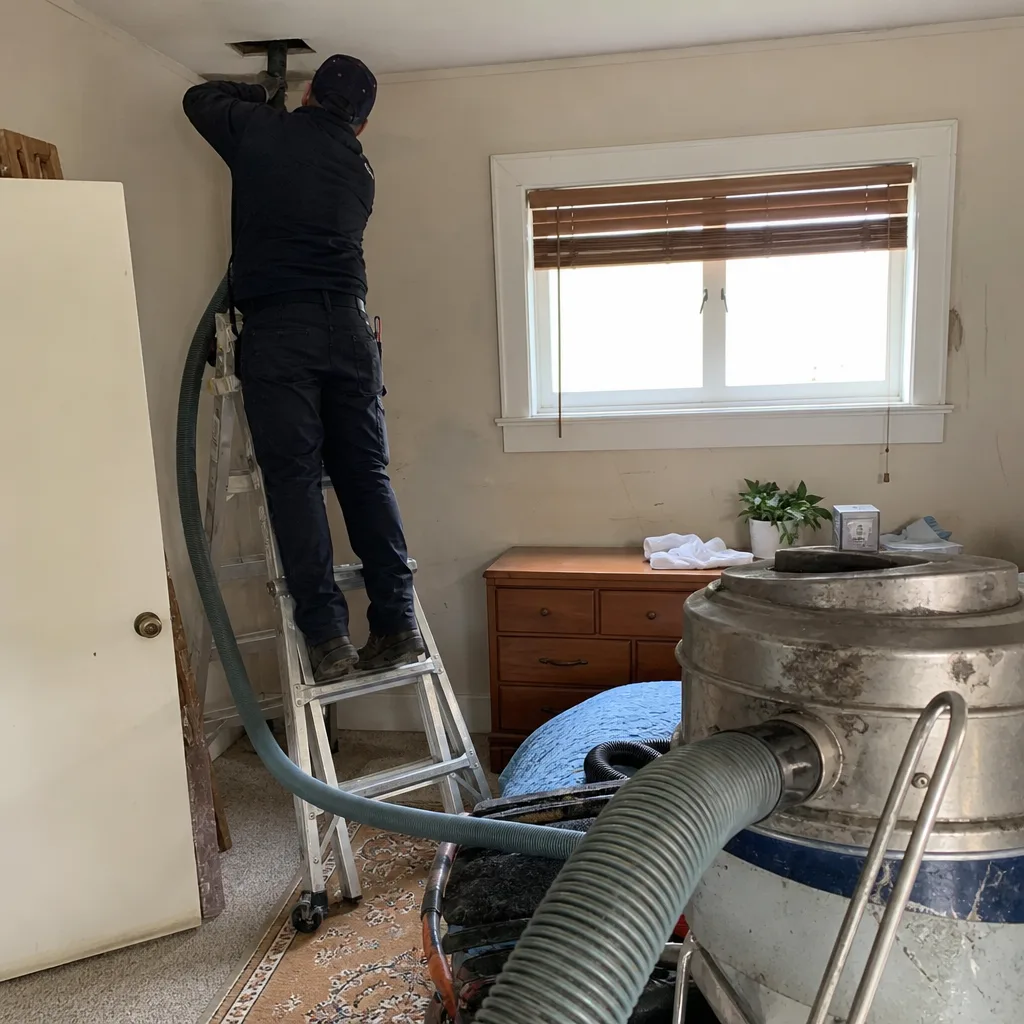 Before
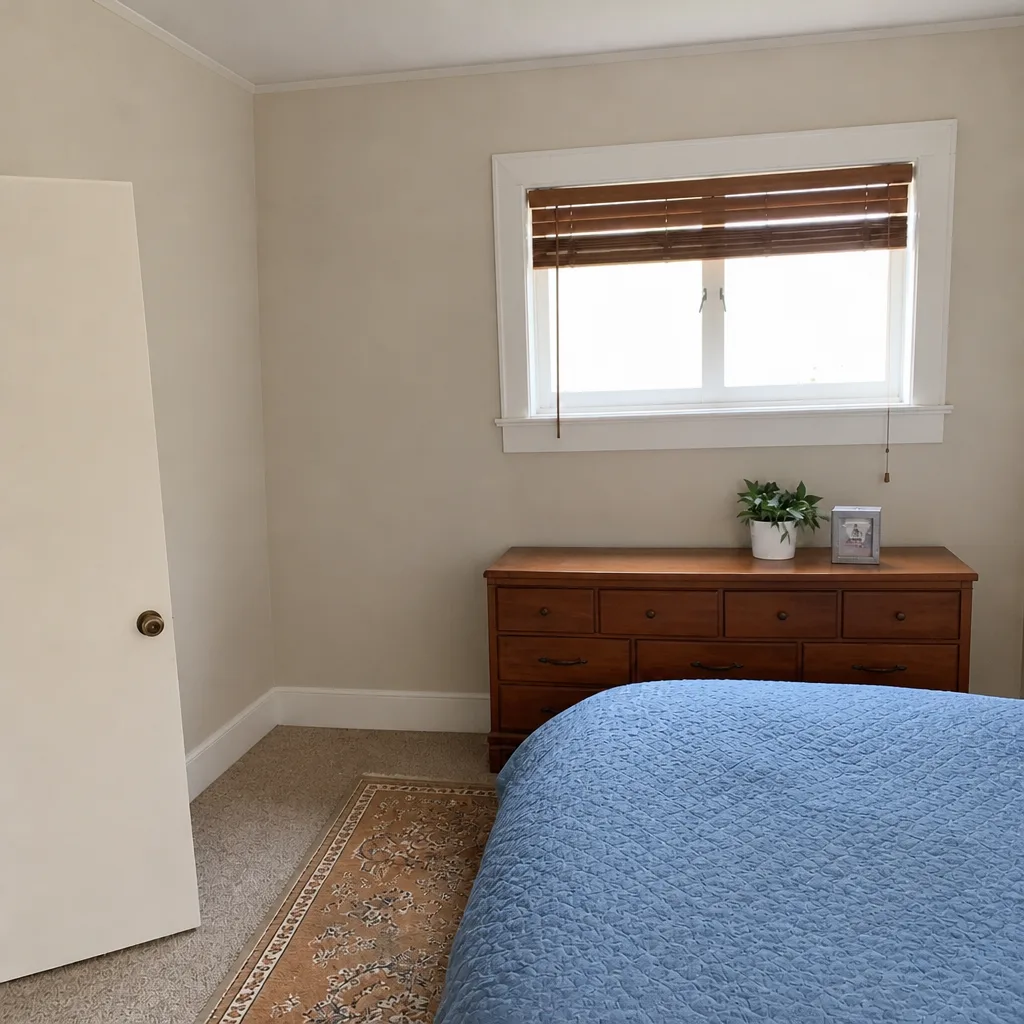 After
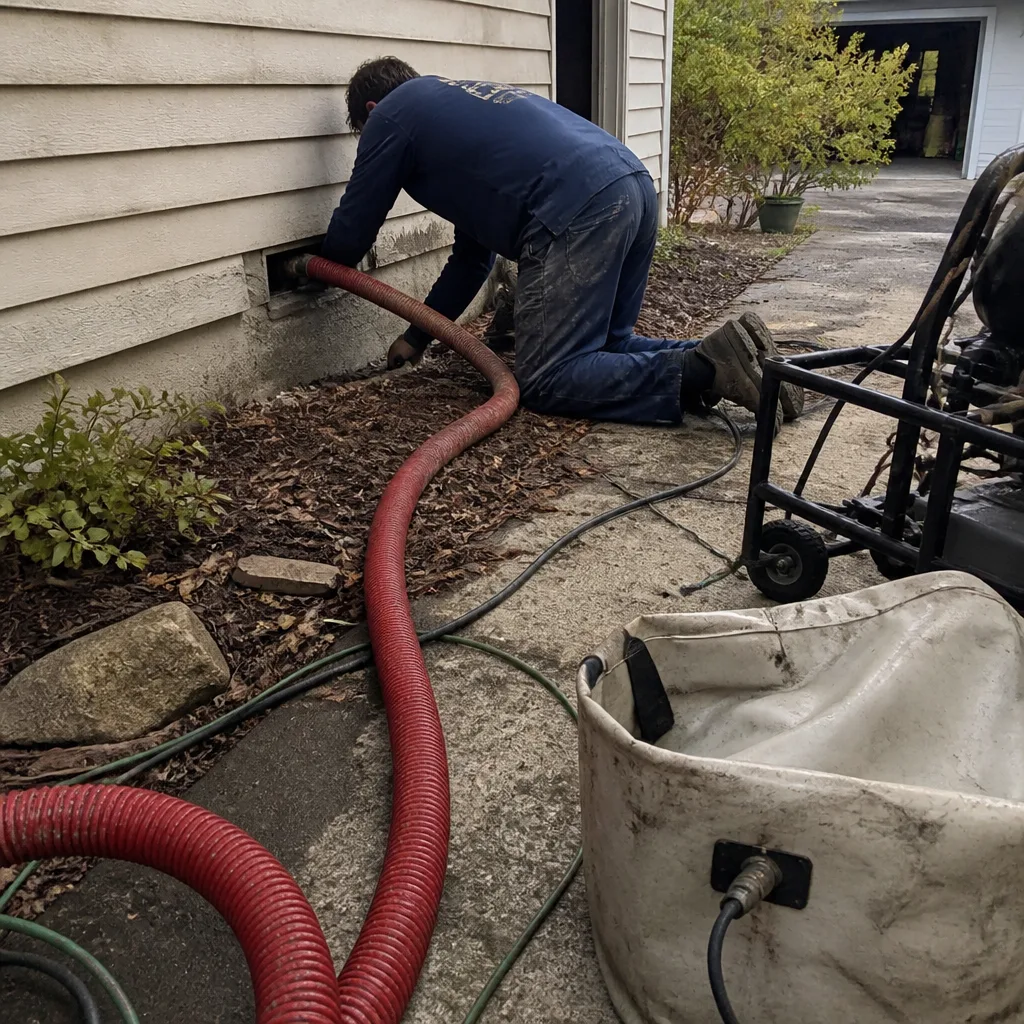 Before
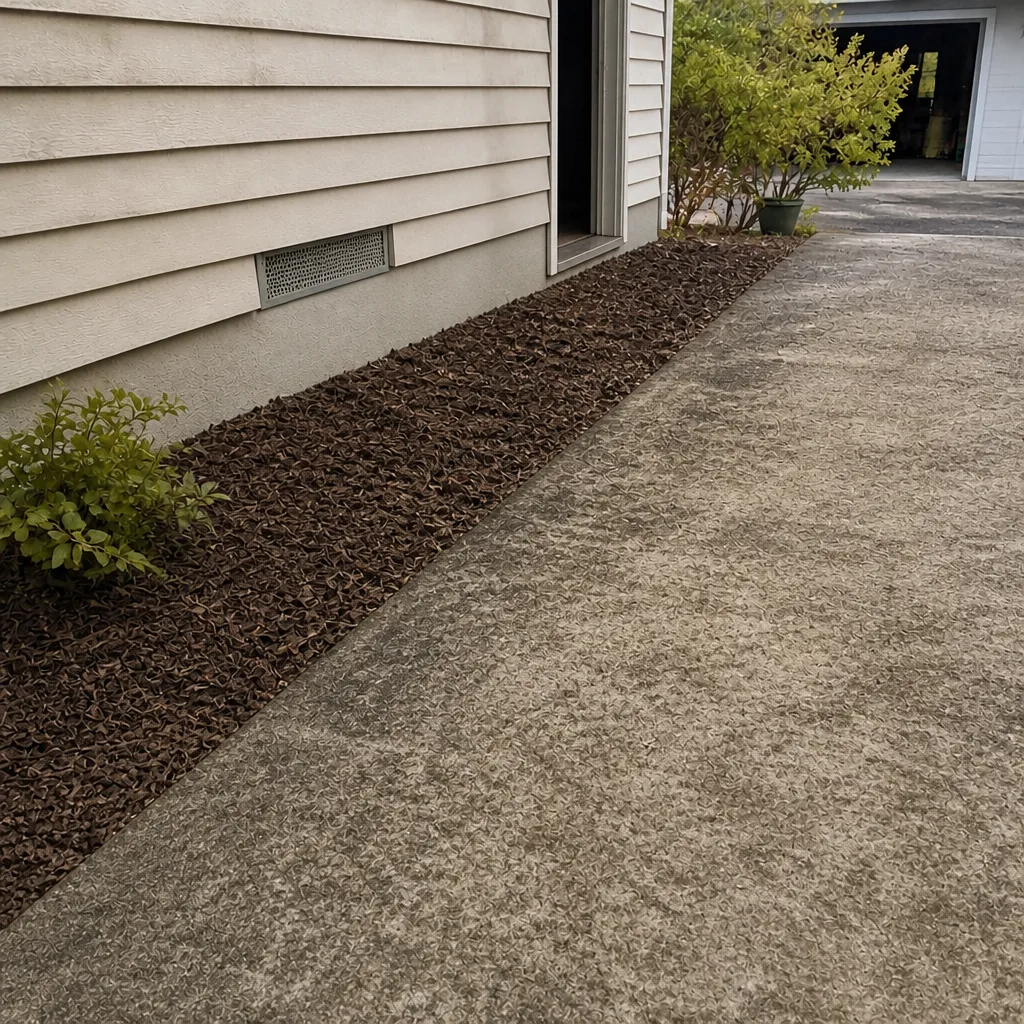 After
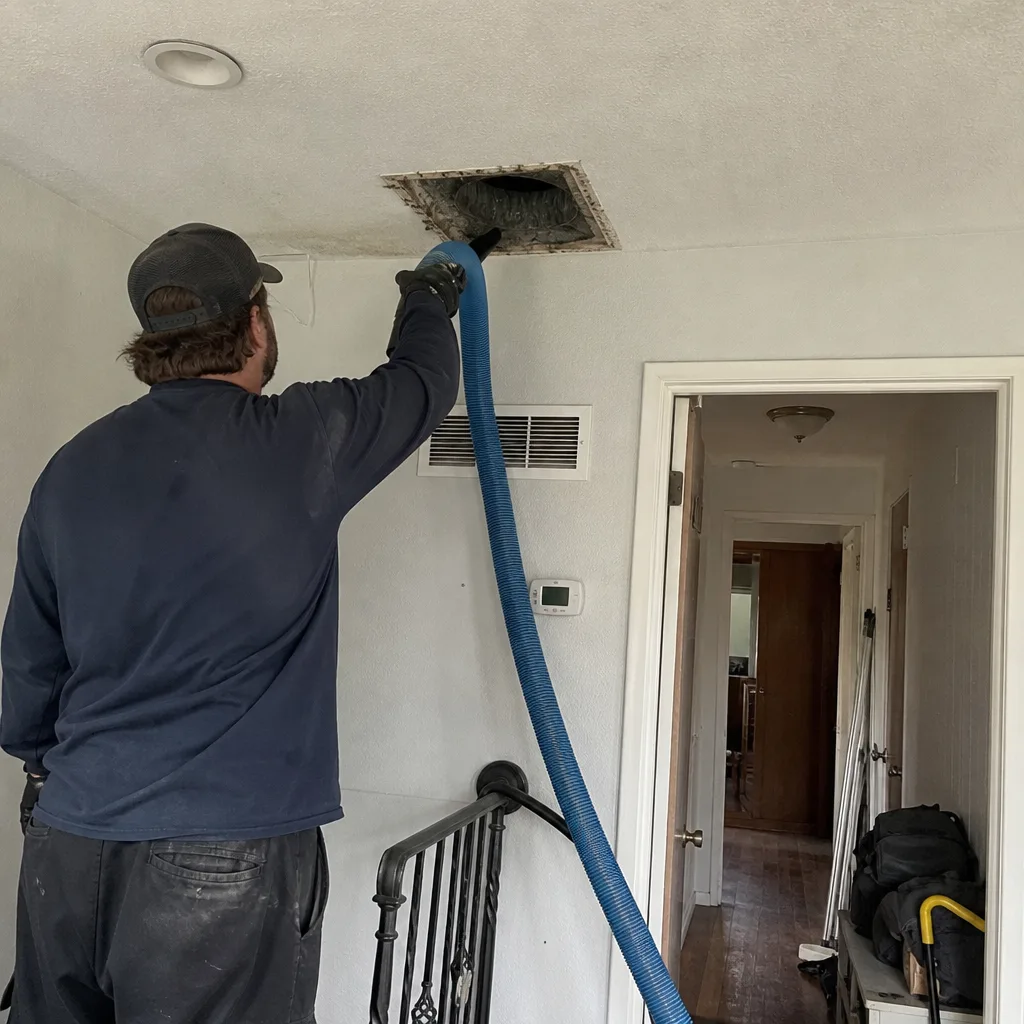 Before
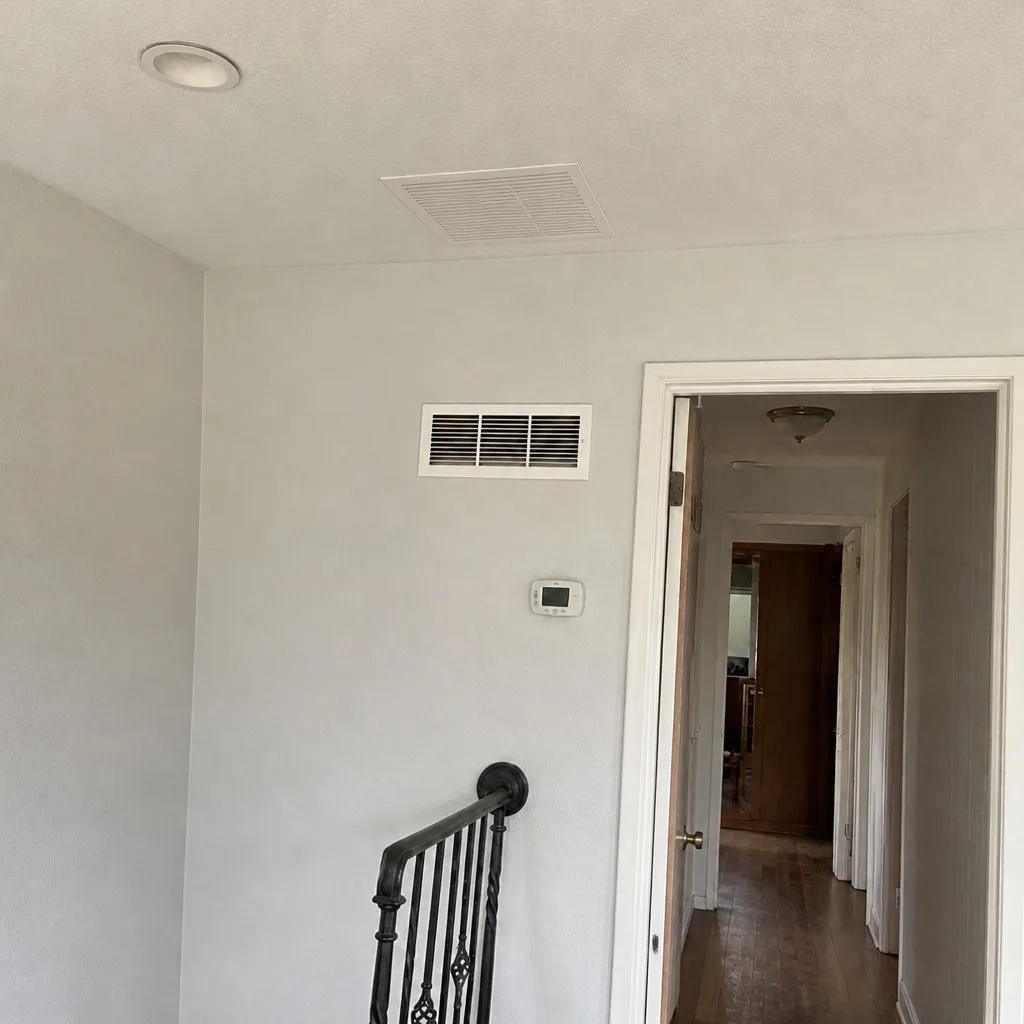 After
When to Call a Professional
If your symptoms point to mold at the coil, pest activity inside the ducts, visible damage to flex runs, or a return leak pulling in humid crawl-space air, a callback is the right move. If you’ve never had the system inspected, or the symptoms have continued through a previous callback, it’s time for equipment a homeowner can’t replicate. The team behind Air Duct Cleaning West Seattle uses Rotobrush rotary brush extraction on every job and Nikro HEPA-filtered vacuum equipment for particulate containment, so the diagnostic conversation can actually solve problems instead of just scheduling another visit. Duct repair and sealing are part of the service menu, and Honeywell or Aprilaire filtration and humidity control can be added after cleaning when they fit your system. Air Duct Cleaning West Seattle offers free estimates in West Seattle. Call (877) 492-4032. We answer 24/7. Fast dispatch from 7am to 7pm, Sunday through Friday.
Frequently Asked Questions
The smell usually comes from mold at the evaporator coil, a contaminated drain pan, or organic debris left in branch runs the cleaning equipment didn’t reach. Duct cleaning and coil cleaning are separate services, so a duct-only cleaning can leave the actual source in place. If the smell is stronger in one or two rooms, it’s likely branch-run debris. If it’s uniform or strongest when the system kicks on, it’s likely the coil. Call (877) 492-4032 for an exact quote on a diagnostic callback. Estimates are free.
The signs are uneven airflow, whistling registers, rooms that no longer heat or cool at the same rate as the rest of the house, and visible dust or condensation on flex runs in the attic or crawl space. Older West Seattle homes with flex duct in attics are the most common cases. A tissue test at each register will show you which runs are affected. If repair is needed, it’s a straightforward fix when caught early. Call (877) 492-4032 for an exact quote on inspection and repair. Estimates are free.
Whole-system air duct cleaning typically runs in the several-hundred-dollar range for a standard-size home, more for homes with multiple systems. When a quote is dramatically lower, the difference almost always comes down to method: trunk lines only, no branch runs, consumer-grade vacuum instead of a rotary brush system, and no inspection or sealing afterward. The cheapest quote usually doesn’t include the work that makes the cleaning stick. Call (877) 492-4032 for an exact quote based on your system. Estimates are free, and each job gets one flat price per system agreed before work starts.
Ask for before-and-after photos of your own system before the technician leaves. A professional cleaning leaves a visual record of what was accessible and what it looked like on both sides of the job. Pair that with a tissue test at each register, and you have a clear picture of whether the cleaning improved the flow in the rooms that mattered. If a contractor can’t produce photos, ask how the work is verified. Call (877) 492-4032 for a callback where the technician handles the diagnostic conversation. Estimates are free.
Most homes benefit from inspection every few years rather than a fixed cleaning schedule, with cleaning driven by what the inspection finds: visible debris accumulation, mold, contaminant sources, or a major renovation. Homes with pets, recent remodeling, or a system that has been in place for well over a decade usually need attention sooner. West Seattle’s damp climate makes moisture-related issues more common, so inspection matters more than a calendar. Call (877) 492-4032 for an exact quote on inspection. Estimates are free.
A shop vac reaches the first foot or two of a register boot and nothing beyond it, and it releases fine particulate into the room as it works. Getting debris out of full branch runs, the trunk, the plenum, and the coil requires proper rotary brush equipment and HEPA-filtered containment. The tissue test and the callback questions above are the right amount of homeowner involvement in the process. Call (877) 492-4032 for an exact quote on full-system cleaning. Estimates are free.
The Bottom Line
Post-cleaning problems usually trace back to four things: debris left in branch runs, flex duct damaged by excess pressure, an untouched coil or drain pan, or unsealed leaks pulling outside air back into the system. The tissue test at each register is your diagnostic starting point, and the callback questions are how you get a real technician on the line instead of a scheduler. If you’re in West Seattle and the symptoms haven’t cleared after a callback, professional-tier equipment is the difference between a second cleaning and a real fix. From intake to output, the right tools and the right inspection change the outcome.
Air Duct Cleaning West Seattle handles the entire air pathway: supply and return ducts, dryer vents, HVAC equipment, sealing, repair, and sanitizing, all with one crew and one conversation. We use Rotobrush and Nikro on every job, and can install Guardsman or Aprilaire hardware when filtration belongs in the plan. Call (877) 492-4032 for a free estimate. We answer 24/7. Fast dispatch from 7am to 7pm, Sunday through Friday. Our technicians have up to 8 years of experience.
Written by the team at Air Duct Cleaning West Seattle.