
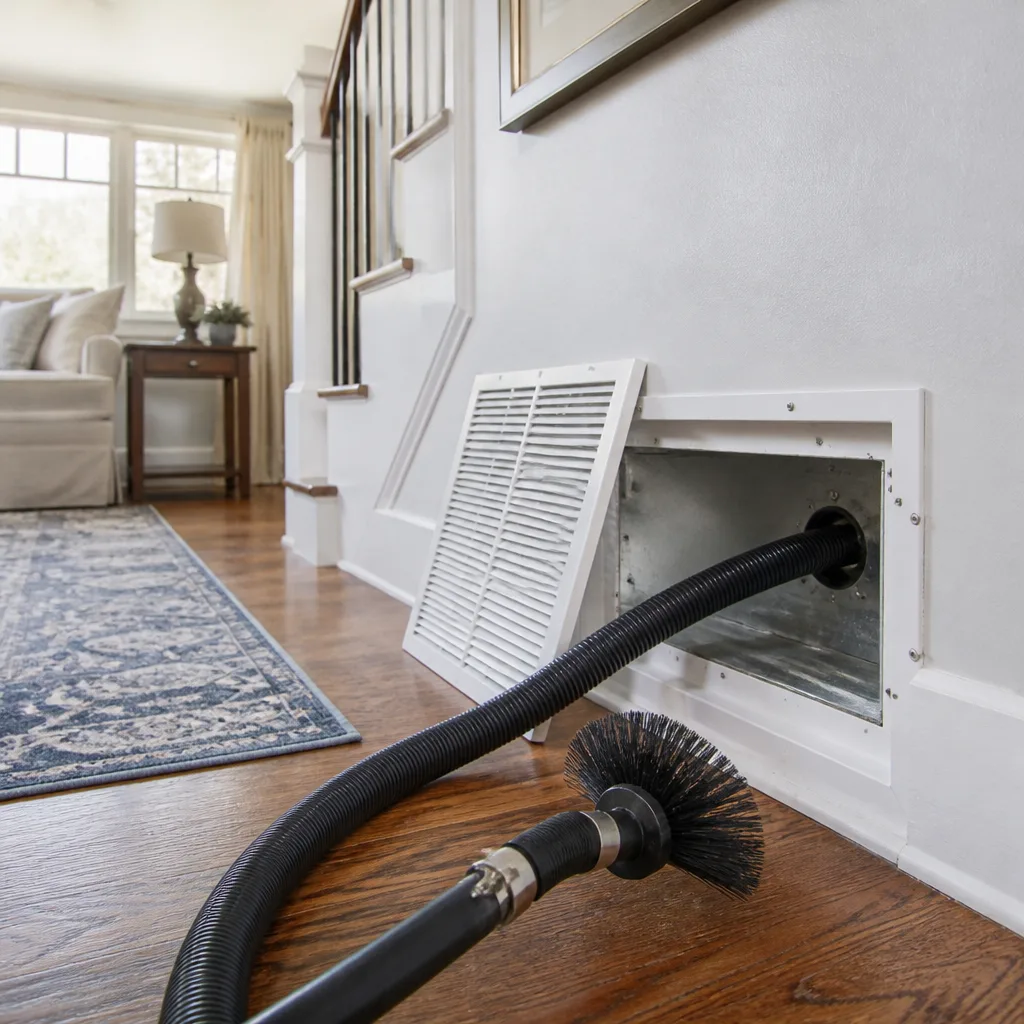
 Whole-home duct cleaning
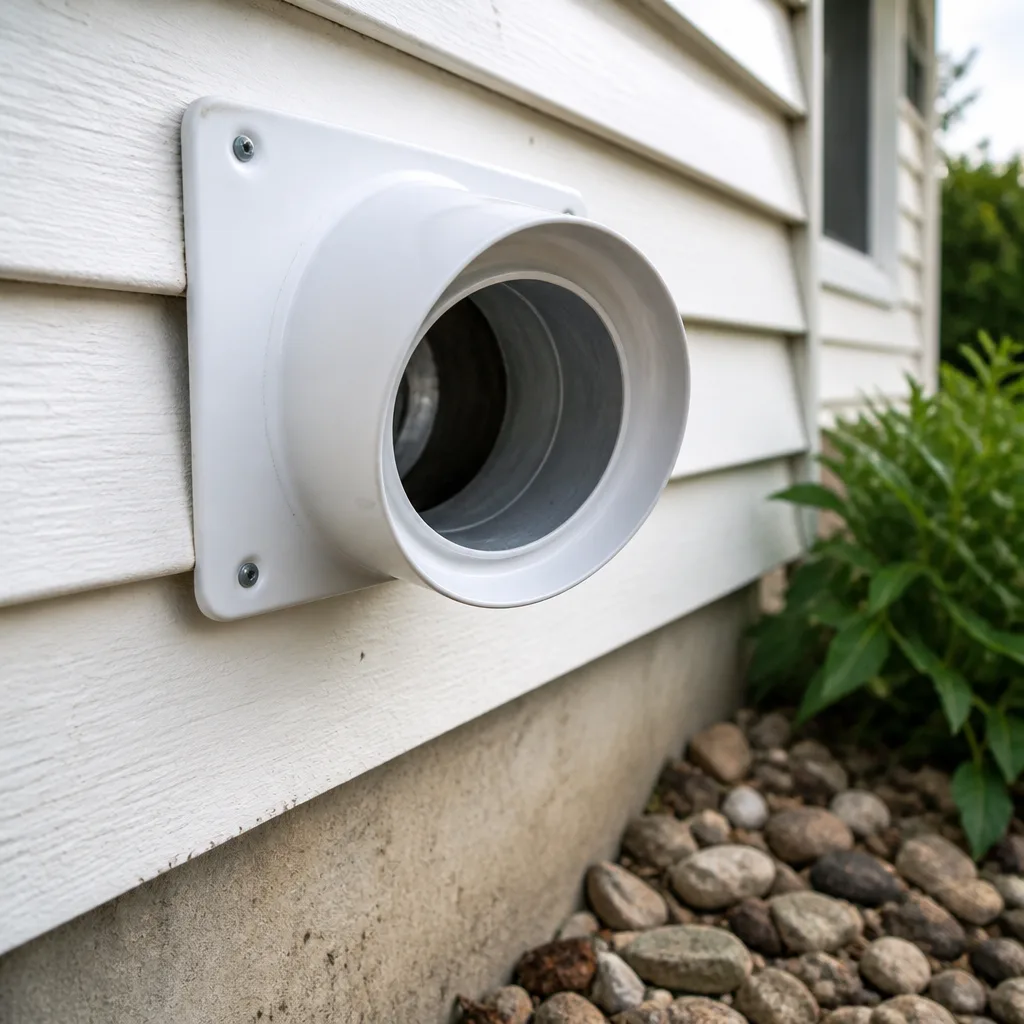 Dryer vent cleaning
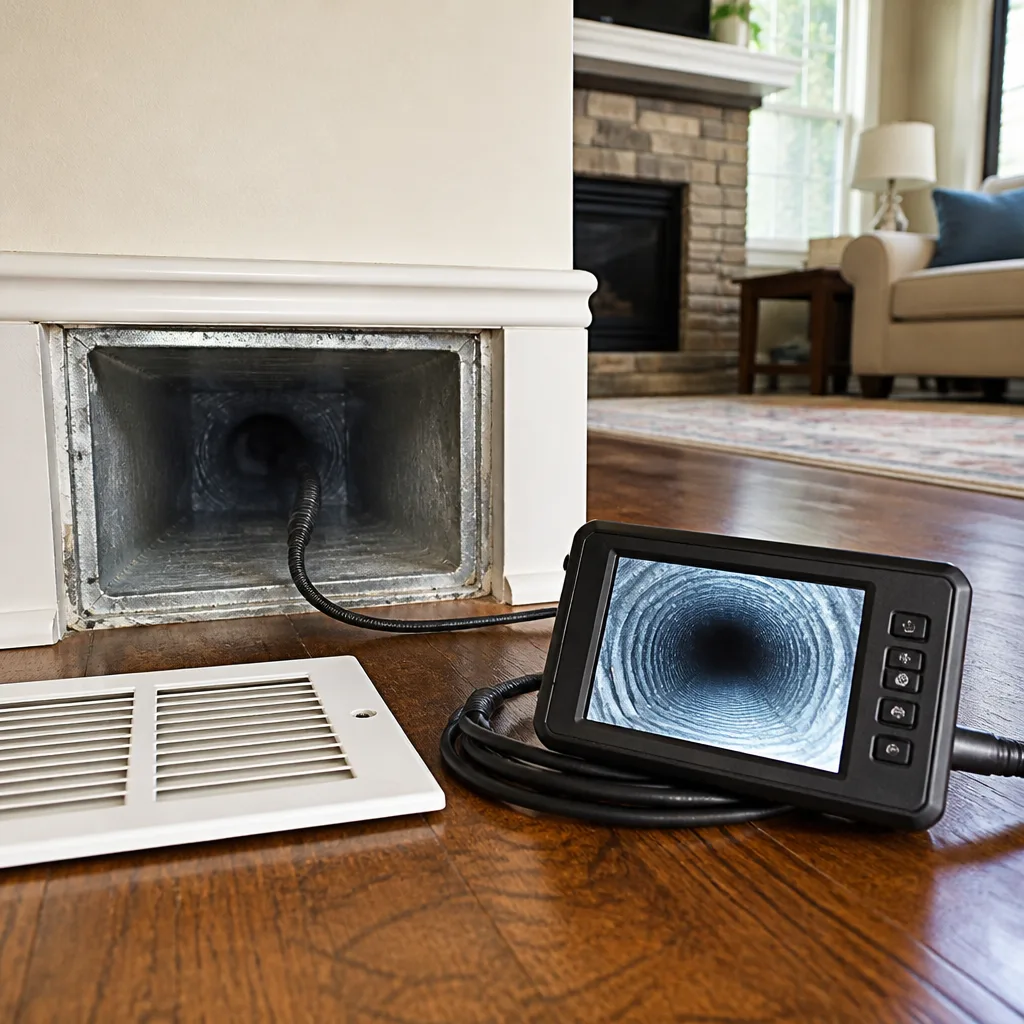 Camera inspection
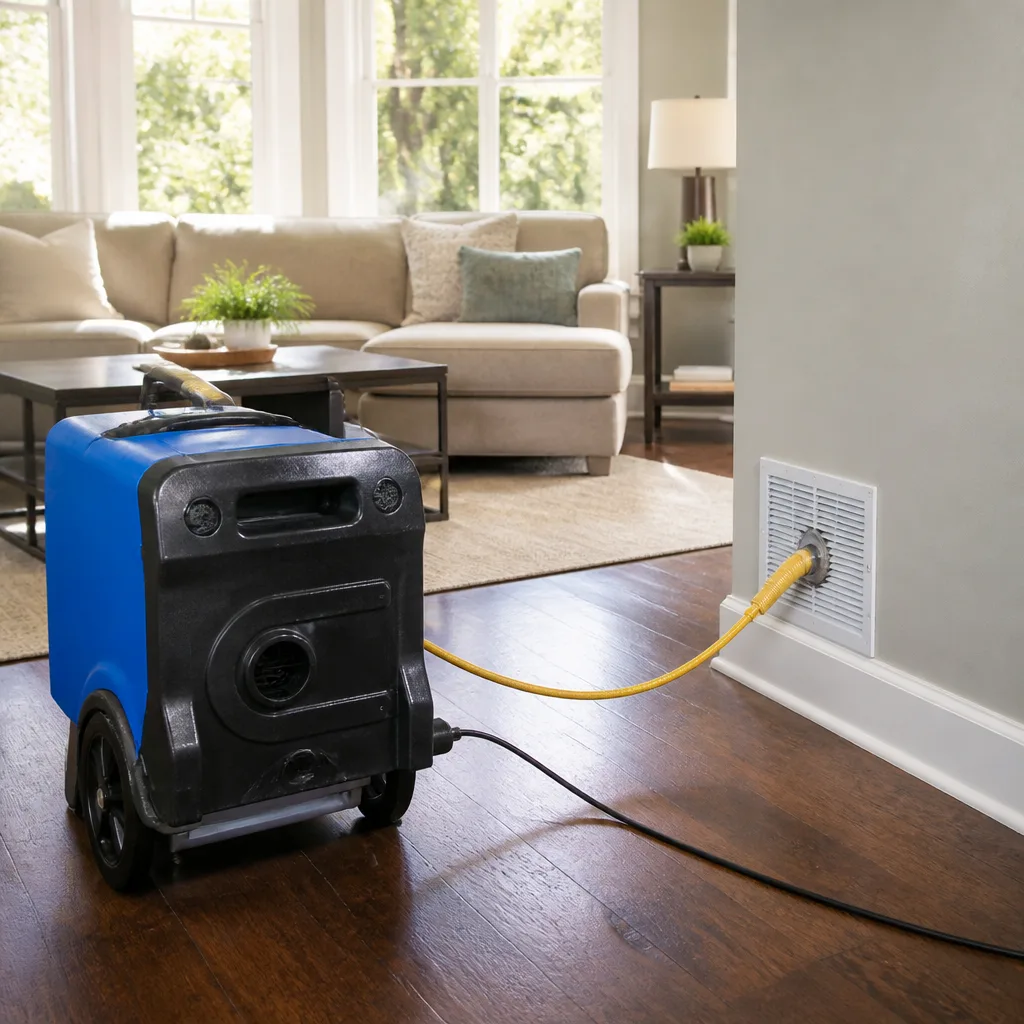 Sanitizing & deodorizing
Whole-system duct and dryer vent check with before-and-after photos - you see exactly what came out of your vents
That "$99 whole-house special" is a bait ad - the real number appears once they are in your hallway, or the "clean" is a shop-vac at the register. We photograph the inside of your ducts before and after instead.
Styles & brands we work with
- Whole-home duct cleaning
- Dryer vent cleaning
- Camera inspection
- Sanitizing & deodorizing
See the difference
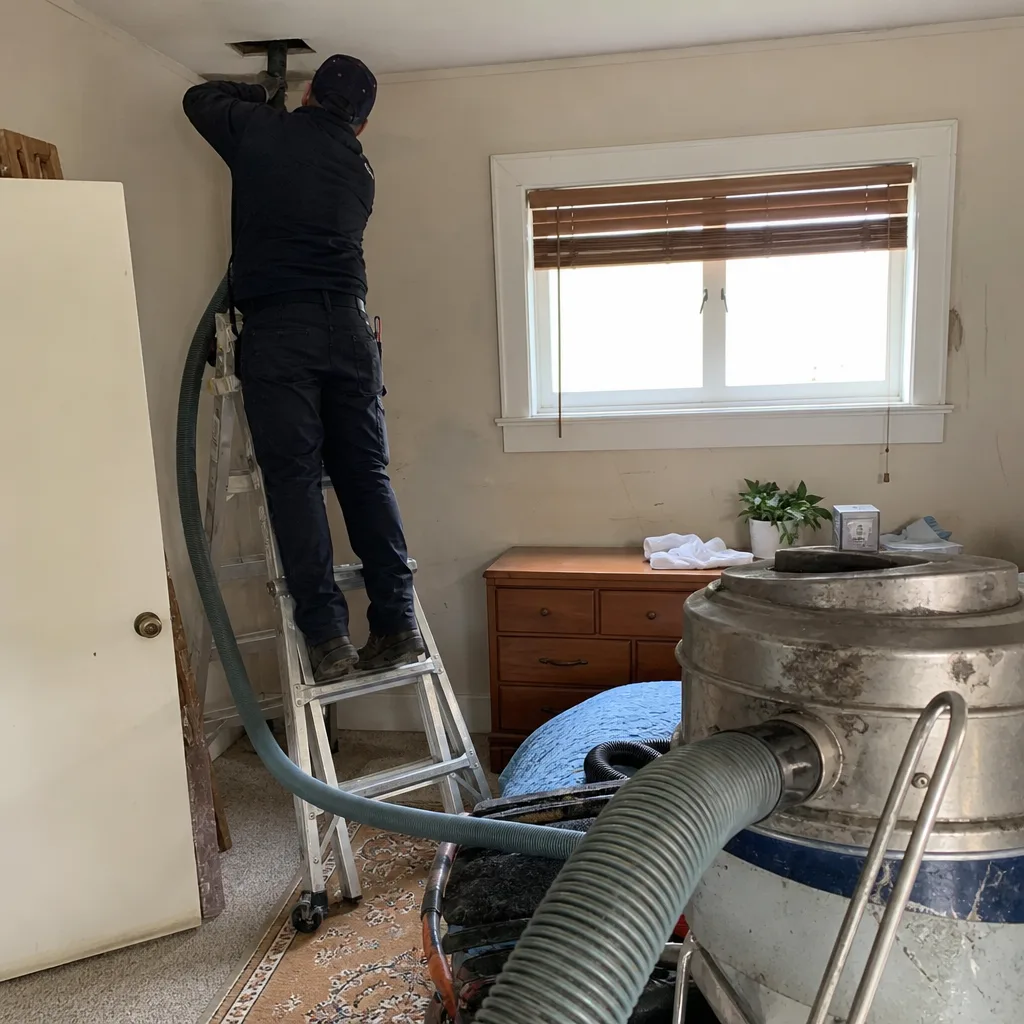 Before
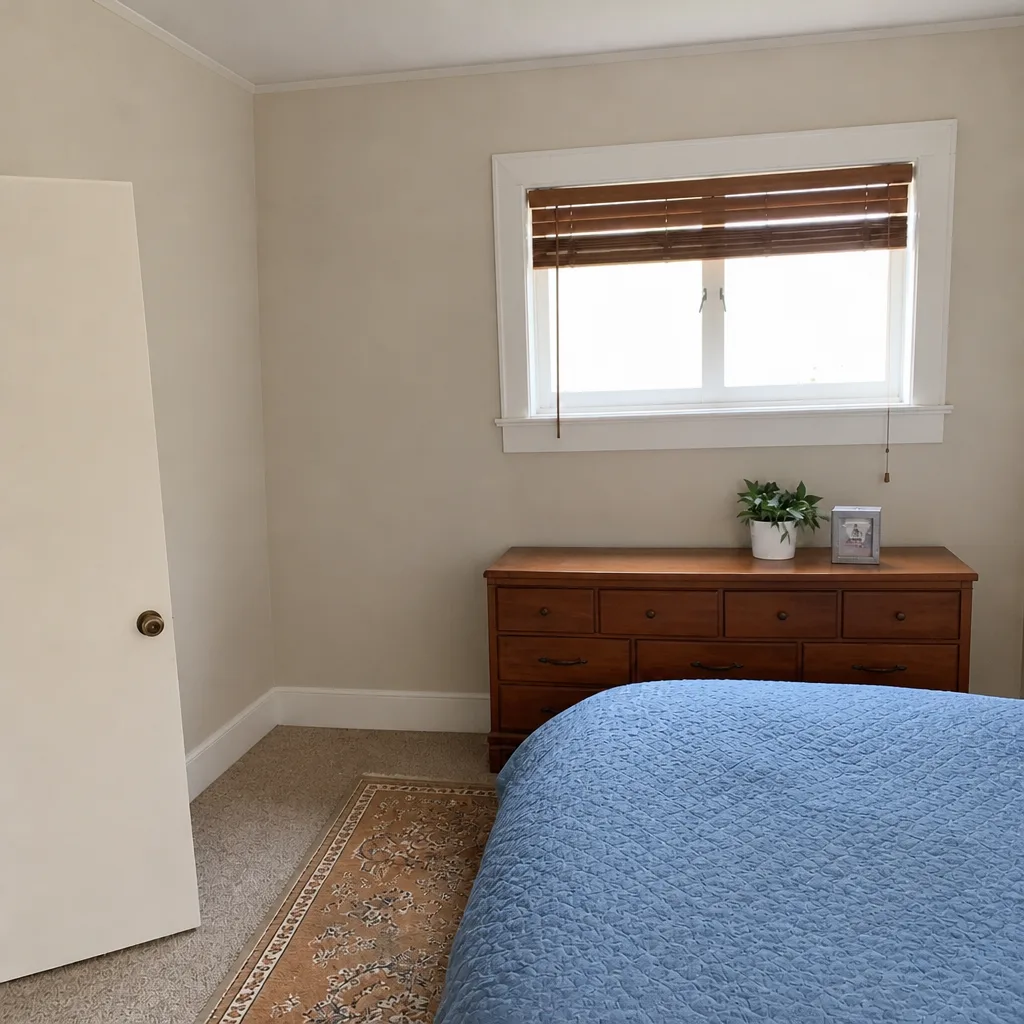 After
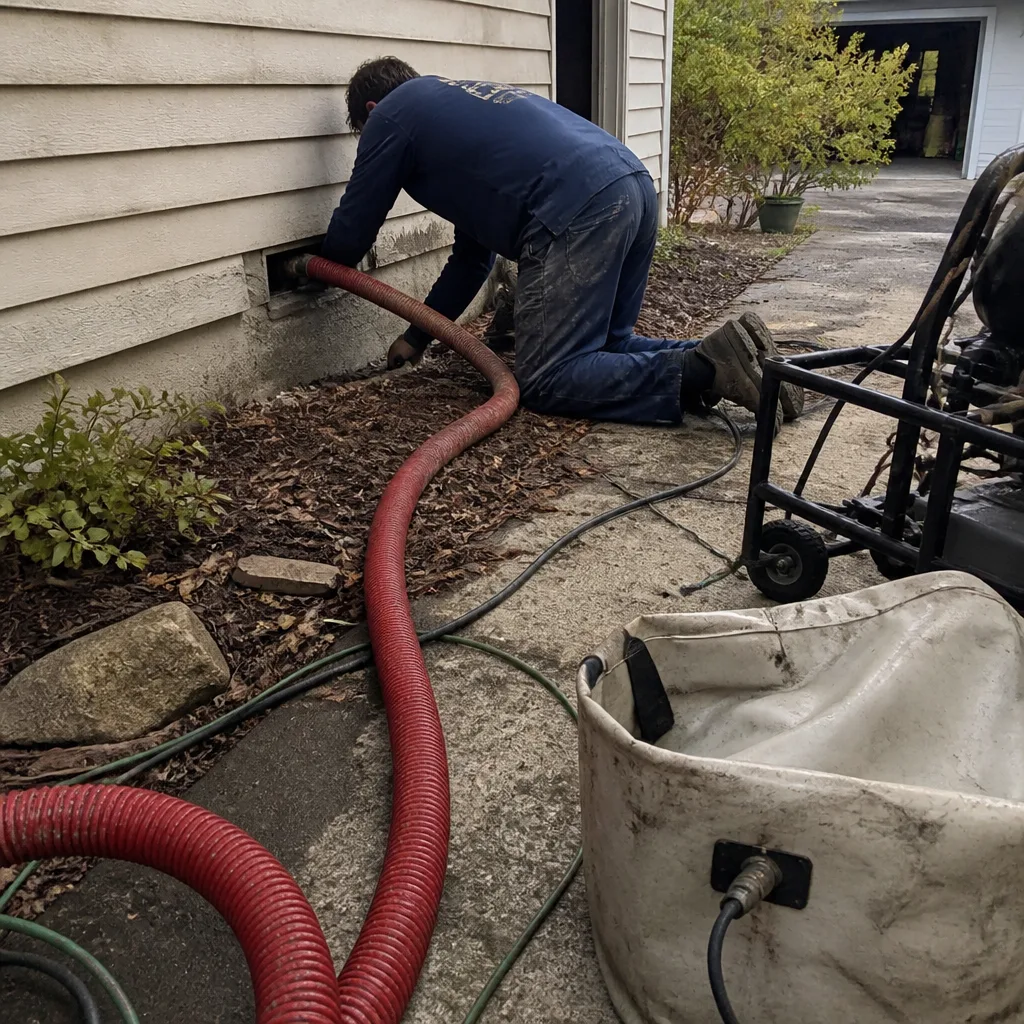 Before
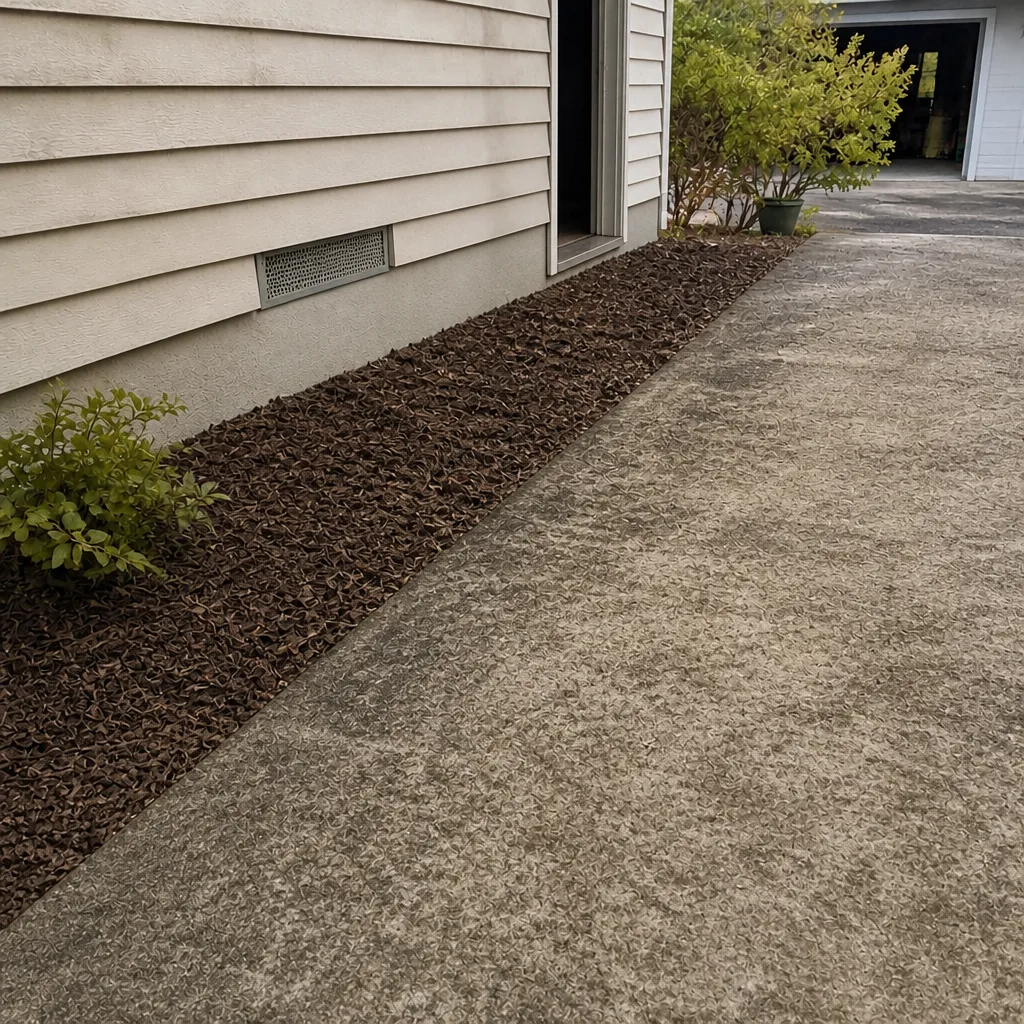 After
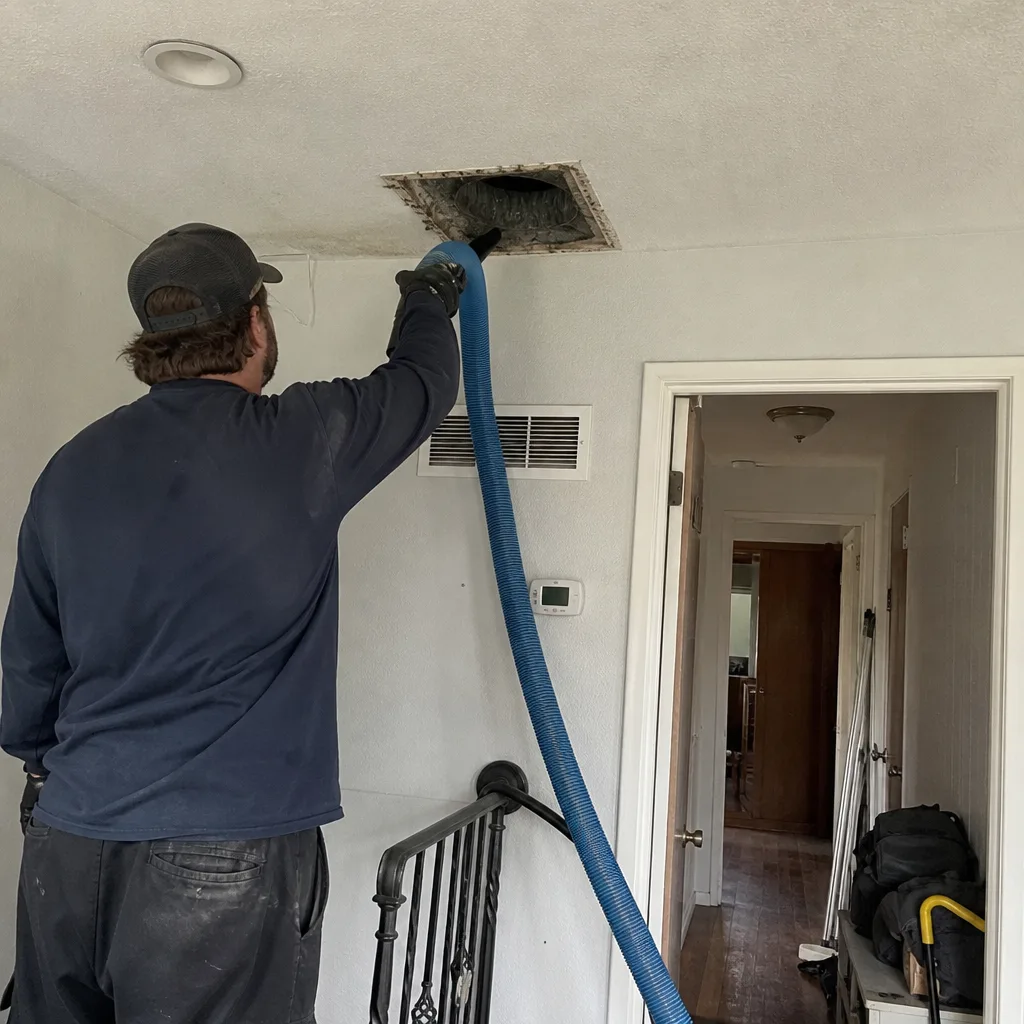 Before
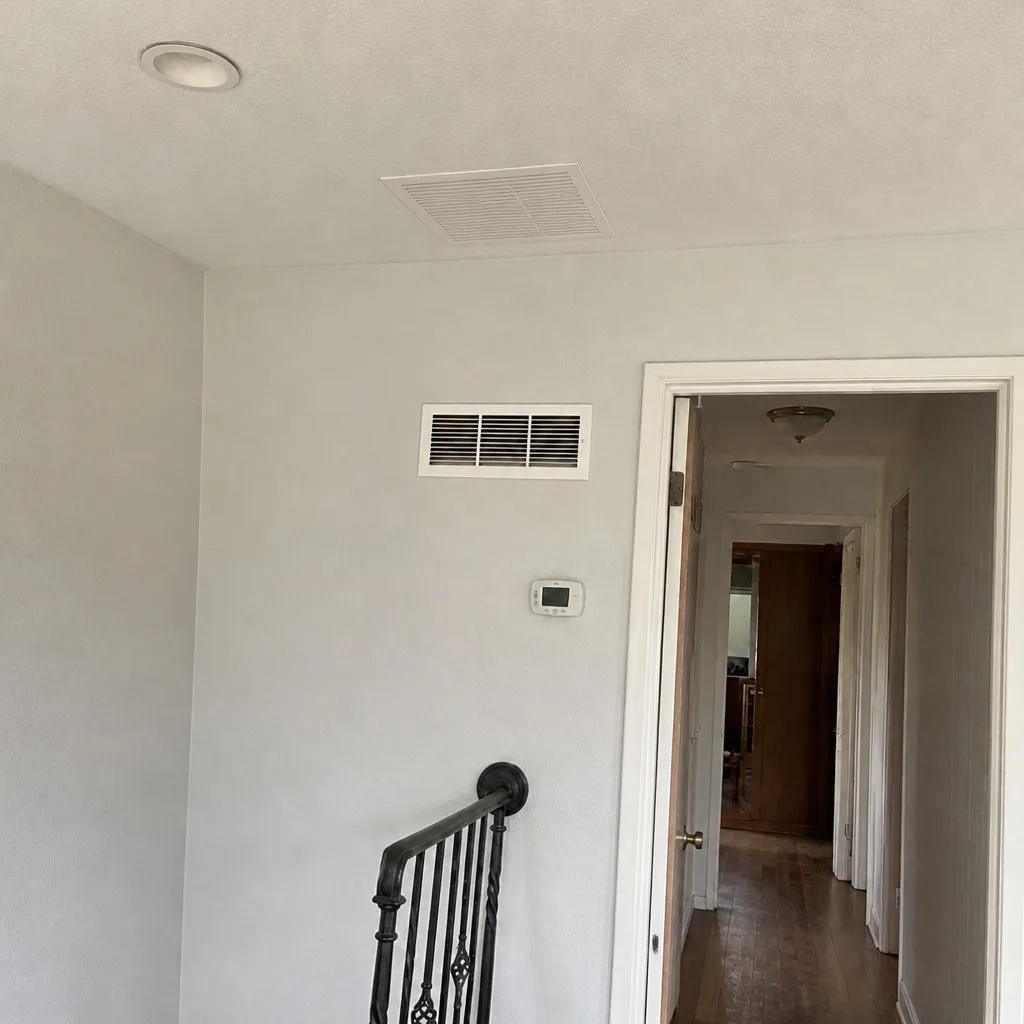 After
How Much Does Duct Repair & Sealing Cost in West Seattle?
Duct repair and sealing in West Seattle typically runs $350 to $1,200 for most homes, with whole-house mastic sealing and small breach repairs landing at the lower end and larger flex-duct replacements or attic trunk-line rebuilds pushing toward the top. A single disconnected joint or torn boot often comes in around $150 to $350. These are estimated ranges for the West Seattle market in 2026, and the written estimate you get after we look at the system sets the final price.
We’re Air Duct Cleaning West Seattle, and duct repair and sealing is a named service here rather than an afterthought tacked onto a cleaning. When we clean a system and find leaks, disconnected runs or crushed flex, we don’t hand you a referral. We seal what we find. Our technicians have up to 8 years of experience, and the equipment we bring is professional-grade, not a shop vac and a hose. Call (877) 492-4032 for a free estimate. We answer 24/7. Fast dispatch from 7am to 7pm, Sunday through Friday.
Key Takeaways
- Most West Seattle duct repair and sealing jobs cost $350 to $1,200, with small joint repairs closer to $150 to $350.
- Leaky ducts waste conditioned air, and in West Seattle’s cool, damp climate that shows up fast on a winter heating bill.
- Older West Seattle homes with original galvanized ductwork often need sealing at every joint, not just one patch.
- We use Rotobrush and Nikro equipment for containment, so repair work doesn’t spread dust through the house.
- Free estimates, and the written estimate is what you pay. No fee to come look.
Duct Repair & Sealing Cost Breakdown (2026)
Here’s how the line items break down for a typical West Seattle home. The wide ranges reflect real differences in house age, attic access and how much of the system is failing at once.
| Service | Typical Estimated Range |
|---|---|
| Single joint re-seal (mastic or foil tape) | $150 – $350 |
| Disconnected duct reconnection | $200 – $450 |
| Torn or crushed flex-duct section replacement | $250 – $600 |
| Sealing an entire supply trunk line | $400 – $900 |
| Whole-house joint and register sealing | $700 – $1,500 |
| Attic or crawlspace duct repair with new insulation wrap | $500 – $1,200 |
| Duct repair combined with full-system cleaning | $600 – $1,800 |
| Rotted or damaged return-air duct rebuild | $600 – $1,600 |
What pushes a job toward the top of those ranges? Access, mostly. A single-story rambler with a wide open attic is a very different afternoon than a West Seattle hillside home where the ductwork snakes through a tight crawlspace that a technician has to actually fit into. Old galvanized duct from mid-century construction often needs sealing at every joint because the original connections were never airtight to begin with. And when a system has been running with a breach for years, we often find wet insulation around the leak that has to come out and be replaced, which adds material and labor.
What keeps a job at the low end? One clear failure, good access, and ductwork that’s otherwise sound. That’s also the situation where we can usually fix and clean in a single visit.
What Affects Duct Repair & Sealing Pricing in West Seattle
- House age and duct material. West Seattle has a lot of homes from the 1940s through the 1970s with galvanized sheet-metal duct, and those joints are rarely tight after decades of heating cycles. Newer construction with flex duct fails differently: it tears, sags or gets crushed by stored boxes. Each material costs differently to repair.
- Access to the duct run. The West Seattle hills mean plenty of split-level and daylight-basement homes, and duct routes follow the grade. A crawlspace duct repair on a steep lot takes longer than the same repair in a flat rancher, and labor is the biggest line item.
- How much of the system is leaking. A single boot behind a register is a small job. A trunk line that’s separated at every branch is a half-day. We seal what we find, and we tell you the scope before we start.
- Combined cleaning and repair. Repairing a dirty system without cleaning it means sealing dust and debris inside. Pairing a duct repair & sealing visit with a full cleaning usually costs less than two separate appointments.
- Insulation condition. West Seattle’s wet winters are hard on attic and crawlspace insulation. When a leak has soaked the wrap around a duct, that wrap comes off and goes back new. It’s a material cost, and it matters for how the system performs afterward.
- Whether there’s hidden contamination. If a breach has been pulling crawlspace air into the system, there may be particulate to contain before we repair. That’s where our Abatement Technologies equipment comes in, and it’s a real cost factor on older homes.
What Does Duct Sealing Actually Do for a West Seattle Home?
Sealing closes the gaps where conditioned air escapes before it reaches a room. That sounds like a small thing until you picture where those gaps usually are: at every joint in a trunk line, behind each register boot, at the plenum where the duct meets the furnace. On a typical older West Seattle system there can be a dozen or more of them, and together they leak a meaningful share of the air you’re paying to heat.
In this climate the effect runs both directions. In winter, heated air leaks into a cold crawlspace instead of reaching the living room, so the furnace runs longer. In summer, when the occasional hot stretch hits, the same leaks pull warm attic air into the supply side. Sealing doesn’t fix a furnace that’s the wrong size, and it won’t replace insulation. What it does is make the system deliver what it’s already producing.
There’s also an air quality side. A breach in a return duct that runs through a crawlspace or attic can draw dust, insulation fibers and whatever else is in that space straight into the supply air. For households with allergy sufferers, that’s often the reason they call in the first place. Sealing the breach and then cleaning the system is the order that actually works.
How Do We Find the Leaks Before We Quote?
We look at the system, not just the visible duct. That means opening the furnace closet, checking the plenum connections, tracing the trunk lines through the attic or crawlspace, and pulling registers to look at the boots behind them. On a system with a lot of small leaks, we use the equipment to confirm what we’re seeing rather than guessing.
The repair itself is straightforward once it’s located. Mastic and mesh for sheet-metal joints. Proper foil tape and mastic on flex connections instead of the standard-issue gray duct tape that dries out and peels. New flex sections where a run is torn or crushed. New insulation wrap wherever the old wrap is wet or degraded. Our technicians have up to 8 years of experience, and they’ll show you the leak before they quote the fix.
We come with Rotobrush rotary brush extraction and Nikro HEPA-filtered vacuum equipment on hand, so if the system also needs cleaning, we can contain the dust during the work instead of blowing it through the house. That matters more than most homeowners expect, especially in a home with kids or an elderly resident.
How to Save on Duct Repair & Sealing
There’s no trick to spending less on this work, but there are a few practical moves that keep the bill down.
- Get the estimate before you commit to anything. Our estimate is free, and it’s written. Call (877) 492-4032 and we’ll look at the system and lay out what needs doing and what can wait.
- Combine repair with cleaning. If the ducts are due for a cleaning, doing both in one visit saves a second trip and means the repaired system is clean from the start. It’s also the order that makes sense: clean, then seal, then sanitize if needed.
- Fix the whole trunk instead of one joint at a time. Sealing a single joint today and the next one next year costs more in labor over time than sealing the trunk line once.
- Ask about the return side. Return leaks are easy to miss and often cheap to fix once they’re located. A leaky return pulls air from the wrong place, and sealing it is sometimes the highest-value part of the job.
- Address wet insulation promptly. A damp crawlspace wrap that goes unaddressed degrades further and can affect the duct beneath it. If you notice sagging or damp insulation around the ductwork, mention it when you call.
- Consider air quality hardware at the same time. We stock and install Honeywell and Aprilaire air quality equipment, and adding filtration or humidity control during a repair visit means one appointment instead of two. West Seattle’s damp winters make humidity control worth asking about.
Repair or Replace? How to Think About an Aging Duct System
Repair usually wins when the ductwork is structurally sound and the leaks are at joints, boots and connections. Sealing is fast, it’s relatively inexpensive, and it fixes the actual problem. Replace wins when the duct is crushed, collapsed, or so deteriorated that sealing won’t hold. Flex duct that has been stepped on or crushed in an attic is a replacement, not a patch. Galvanized duct that has rusted through at the bottom of a trunk line needs a section rebuilt.
The middle case is the interesting one. A system with good duct but wet insulation and a lot of small leaks is usually a repair-and-seal job, and it’s often the best value. We’ll tell you which case yours falls into, with the reason, before you decide anything. Replacing ductwork is expensive, and it’s often not the answer. Our air duct cleaning in West Seattle service frequently turns up these failures, and when it does, we fix them in-house instead of sending you to a separate contractor for the repair.
Why the Equipment Matters on a Repair Job
Duct repair isn’t just sealing. It’s sealing without making a mess and without leaving contamination behind. Our Rotobrush rotary brush extraction system is the same class of equipment used in commercial and remediation-grade projects, not a consumer vacuum. The Nikro HEPA-filtered units contain fine particulate while we work, which is what you want when you’re opening a duct that’s been running dirty. For homes with significant contamination, our Abatement Technologies equipment lets us handle elevated particulate scenarios that a plain shop vac would just spread around.
The full scope matters too. We cover supply and return ducts, dryer vents, HVAC unit cleaning, duct repair and sealing, and post-clean sanitizing. One crew, every step, from intake to output. That means you’re not coordinating between a cleaner who finds a breach and a repair contractor who has to come back a different day. Our technicians have up to 8 years of experience, and the duct repair & sealing service is handled by the same people who clean the system.
How to Choose a Duct Repair Contractor in West Seattle
A few things worth checking before you hire anyone for this work.
- Ask what equipment they bring. A shop vac and a hose can knock dust off the inside of a duct, but it can’t contain fine particulate or clean a system properly. Ask for the brands.
- Ask if they do the repair themselves. Clean-only companies often find breaches they can’t fix and refer you out. That’s a second appointment and a second set of eyes.
- Get a written estimate with the scope spelled out. “Seal the ducts” isn’t an estimate. “Seal the supply trunk line and two register boots, replace one flex section” is.
- Ask how they’ll contain the dust. HEPA filtration and containment during the work protects the rest of your house.
- Confirm the pro is licensed and insured as their state requires. That’s a basic expectation for anyone working in your home.
FAQs – Duct Repair & Sealing Cost
How much does duct repair cost in West Seattle?
A single joint repair runs $150 to $350, and most whole-house duct repair and sealing jobs land between $350 and $1,200. Larger jobs involving trunk-line rebuilding, wet insulation replacement or combined cleaning can reach $1,800. Call (877) 492-4032 for an exact quote – estimates are free.
Is duct sealing worth the money?
Yes, in most older West Seattle homes. Sealing closes the gaps where heated air escapes before it reaches a room, so the system delivers what it already produces. It’s less expensive than replacing ductwork, and on a mid-century home with original galvanized joints there’s usually real leakage to recover. Call (877) 492-4032 for a free estimate and we’ll tell you what we find.
Can you fix ducts the same day?
Small repairs can often be handled the same day as an estimate or a scheduled cleaning. Larger repairs or jobs that require an attic crawlspace inspection are usually scheduled, and we’ll give you the timing up front. Call (877) 492-4032. We answer 24/7. Fast dispatch from 7am to 7pm, Sunday through Friday.
How much does duct cleaning and sealing cost together in West Seattle?
Combined cleaning and sealing typically runs $600 to $1,800, depending on system size and how much repair is needed. Doing both in one visit costs less than two separate appointments. Call (877) 492-4032 for a free combined estimate.
Is it cheaper to repair or replace ductwork?
Repair is almost always cheaper than replacement when the duct itself is sound. Sealing joints and boots runs $150 to $1,500 depending on scope, while replacing a full duct system costs substantially more. We only recommend replacement when the duct is crushed, collapsed or rusted through. Call (877) 492-4032 and we’ll tell you which case yours is.
Frequently Asked About Our Equipment and Process
What equipment do you use for duct repair and sealing?
We use Rotobrush rotary brush extraction and Nikro HEPA-filtered vacuum equipment for cleaning and containment, and we stock Honeywell and Aprilaire air quality hardware for homes that want filtration or humidity control added during the visit. For elevated contamination scenarios, our Abatement Technologies equipment lets us handle particulate that a standard vacuum can’t. Cleaner air starts with the right tools, and we name them because they matter.
Do you seal ducts in crawlspaces and attics?
Yes. Most duct leakage in West Seattle homes is in the crawlspace, attic or at the register boots, so that’s where we work. Access and safety are both part of the estimate, and we’ll walk you through what we found before we start.
Do you also clean dryer vents and HVAC units?
Yes. Our service covers supply and return ducts, dryer vents, HVAC unit cleaning, duct repair and sealing, and post-clean sanitizing. One crew, every step, from intake to output.
What areas do you serve?
We serve West Seattle and the surrounding neighborhoods. Call (877) 492-4032 to confirm your address and get a free estimate.
Get a Free Duct Repair Estimate in West Seattle
If your heating bill has crept up, if a room never seems to get warm, or if you’ve noticed dust collecting faster than it used to, a leak somewhere in the system is a likely culprit. We’ll come look, show you what we find, and give you a written estimate with the scope spelled out. No fee to come out, and no surprises.
Call (877) 492-4032. We answer 24/7. Fast dispatch from 7am to 7pm, Sunday through Friday. Free estimates, and the written estimate sets the price.
Pricing reflects the West Seattle market as of 2026. Air Duct Cleaning West Seattle offers free estimates – call (877) 492-4032.
Written by the team at Air Duct Cleaning West Seattle.
What Our Customers Say
"Found a disconnected run in the crawlspace while they were in there and told me about it rather than cleaning around it."
- Maria Reyes"Job was done well and the house smells better. There was some dust knocked loose around a couple of the registers that I had to wipe down afterward."
- Paige Lawson"My wife's allergies had been bad in this house since we moved in. It's been two months since they did the ducts and it's noticeably better. Not a miracle, but real."
- Kevin Parker